Because Klimt died in 1918, his paintings are in the public domain, so anyone can make and sell reproductions. That means huge choice, and a lot of poor copies.
FormatsTypes of print
- Posters (offset lithographs) are cheap and fine for a student room, but colours are often flat and the gold looks dull yellow.
- Giclée prints are made with high-quality inkjet printers on archival paper or canvas; they give the best colour and detail for the price.
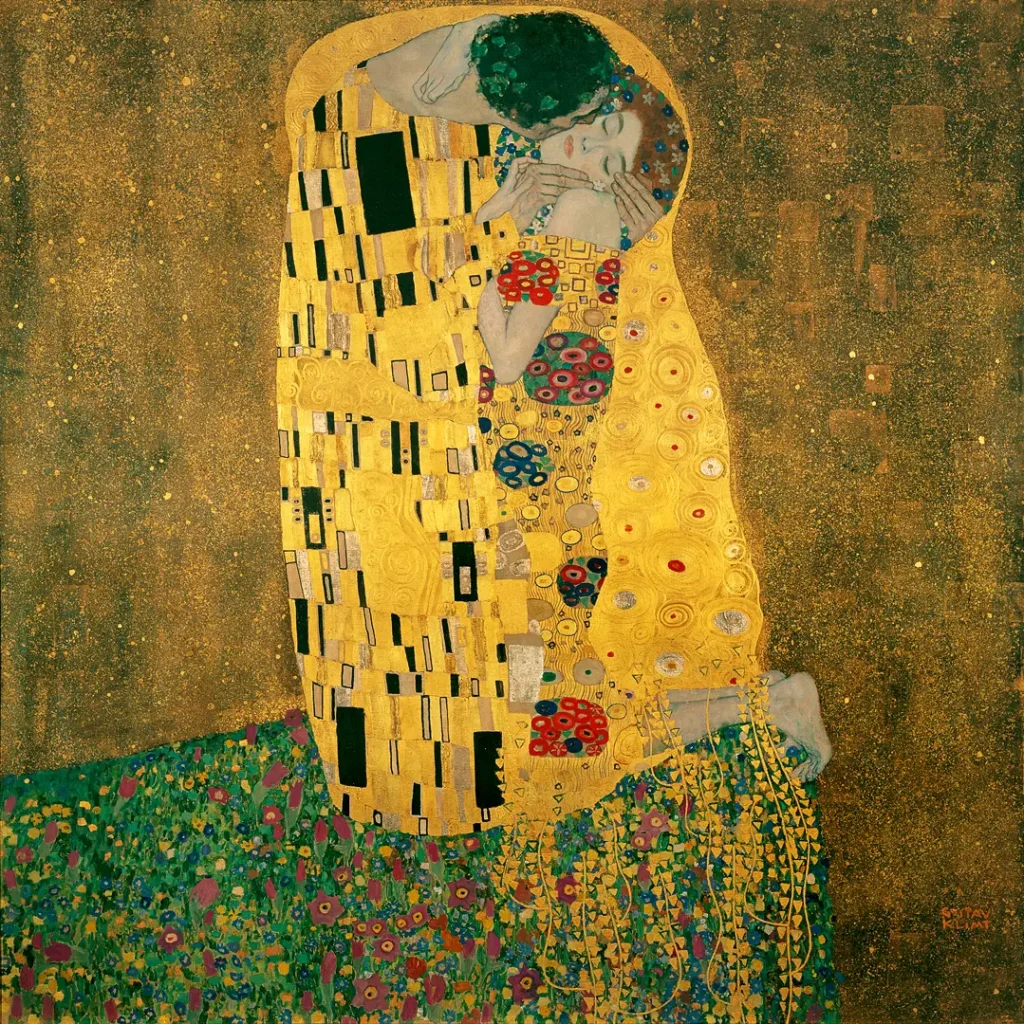
- Gold-foil or gold-leaf prints add real metallic foil to the gold areas. Done well they capture the shimmer of the Golden Phase; done badly they look cheap, so look at close-up photos before buying.
- Canvas prints suit large sizes but can lose fine detail.
SizesCheck the proportions
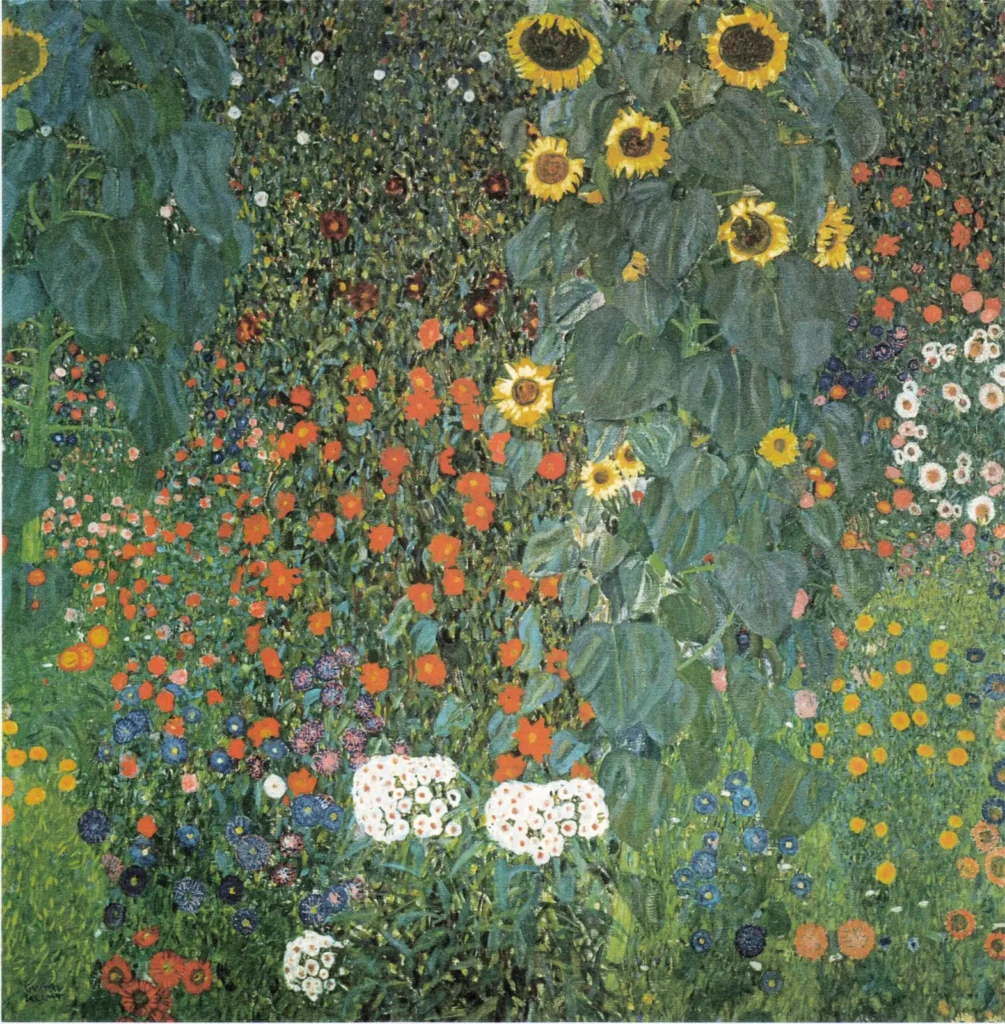
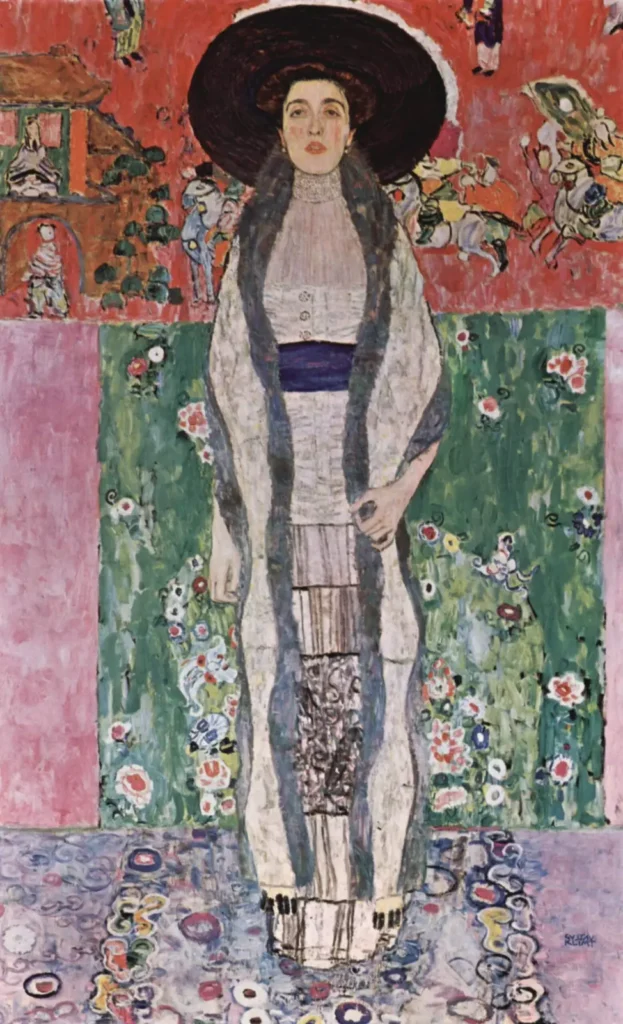
Many famous Klimts are square, so beware prints cropped to standard rectangular frames. The Kiss is 180 × 180 cm, Adele Bloch-Bauer I is 138 × 138 cm, and almost all the landscapes are square. The Tree of Life is wide and short, and portraits like Hope I are tall and narrow. A good print shows the whole picture.
Before you buyQuality checklist
- Is the image sharp when you zoom into the seller’s photo?
- Do the colours match the museum’s own image? Compare with the Belvedere or the museum that owns the painting.
- Is the paper archival (acid-free) and the ink pigment-based?
- Is the whole painting shown, not cropped?
ShopsWhere to buy
Museum shops, such as those of the Belvedere, Leopold Museum and Neue Galerie, sell prints made from their own high-quality photographs of the originals, and buying there supports the museums. Specialist fine-art print companies are the next best choice.
FreeFree options
For screens, download our free, high-resolution Klimt wallpapers, and explore the gold up close with Explore The Kiss. To design your own Klimt-inspired room, try our colour palettes.
 Free wallpapers
 Colour palettes
 Most expensive Klimts
 All Klimt paintings