After the scandal of the Faculty Paintings Klimt turned away from state commissions and relied on private patrons: industrialists, bankers and their wives, many of them from Vienna’s Jewish bourgeoisie.
CollectorsThe Lederers
August Lederer, a spirits industrialist, and his wife Serena built the most important Klimt collection of all. Klimt painted Serena (1899), her daughter Elisabeth and her mother. The Lederers bought the Beethoven Frieze and the Faculty Painting Philosophy. After 1938 the collection was seized; many works burned at Schloss Immendorf in 1945.
CollectorsThe Bloch-Bauers
Ferdinand Bloch-Bauer, a sugar magnate, and his wife Adele owned two portraits of Adele (1907 and 1912) and several landscapes including Birch Forest and Apple Tree I. Seized by the Nazis, five of the paintings were returned to their niece Maria Altmann in 2006: the story of The Woman in Gold.
PatronsThe Wittgensteins
Karl Wittgenstein, a steel magnate, helped pay for the Secession building in 1898. Klimt painted his daughter in the Portrait of Margaret Stonborough-Wittgenstein (1905).
PatronsThe Primavesis
Otto Primavesi, a banker from Olomouc in Moravia, and his wife Eugenia became major supporters of Klimt and the Wiener Werkstätte in his last years. Klimt painted Eugenia and their daughter, in the joyful Mäda Primavesi (1912–13).
CircleThe Zuckerkandls and others
The journalist Berta Zuckerkandl ran a famous salon where Klimt and the Secession artists met, and defended them in print; Klimt was painting her sister-in-law Amalie when he died. The industrialist Fritz Waerndorfer, who financed the Wiener Werkstätte, owned Hope I, and the Belgian banker Adolphe Stoclet commissioned the Stoclet Frieze. Klimt’s portraits of women from Vienna’s wealthy families, such as Fritza Riedler and Sonja Knips, are among his best-known works.
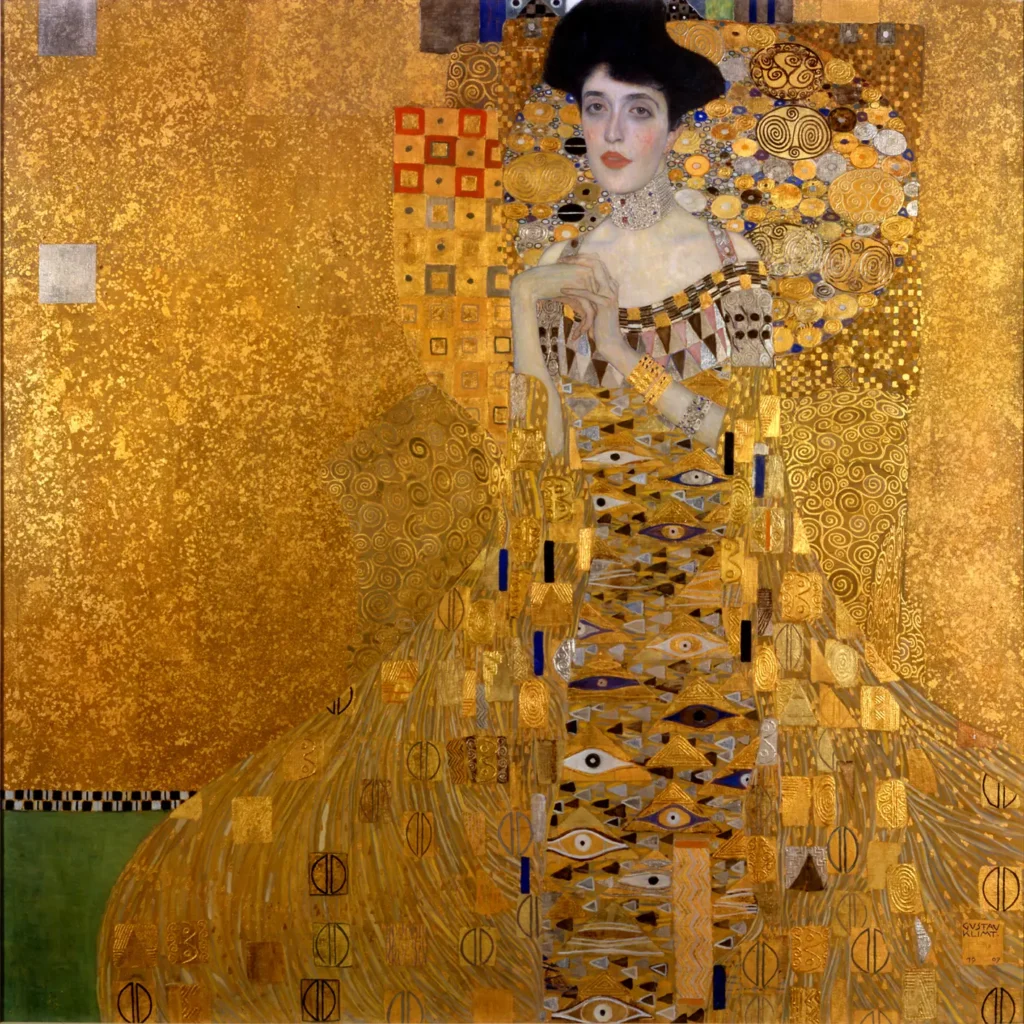 The Woman in Gold
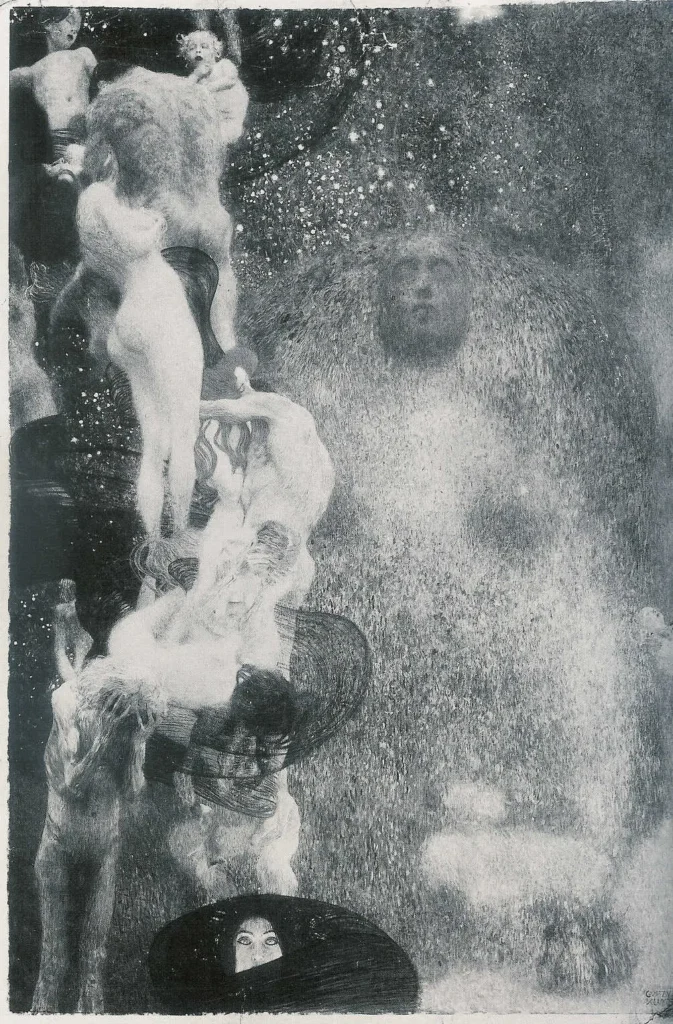 Lost Klimt paintings
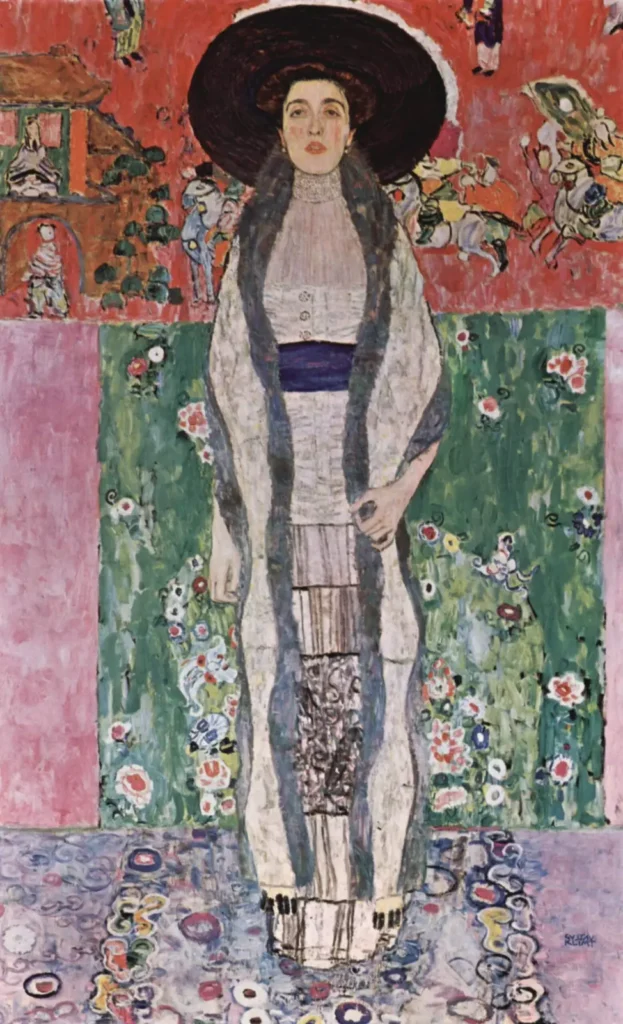 Most expensive Klimts
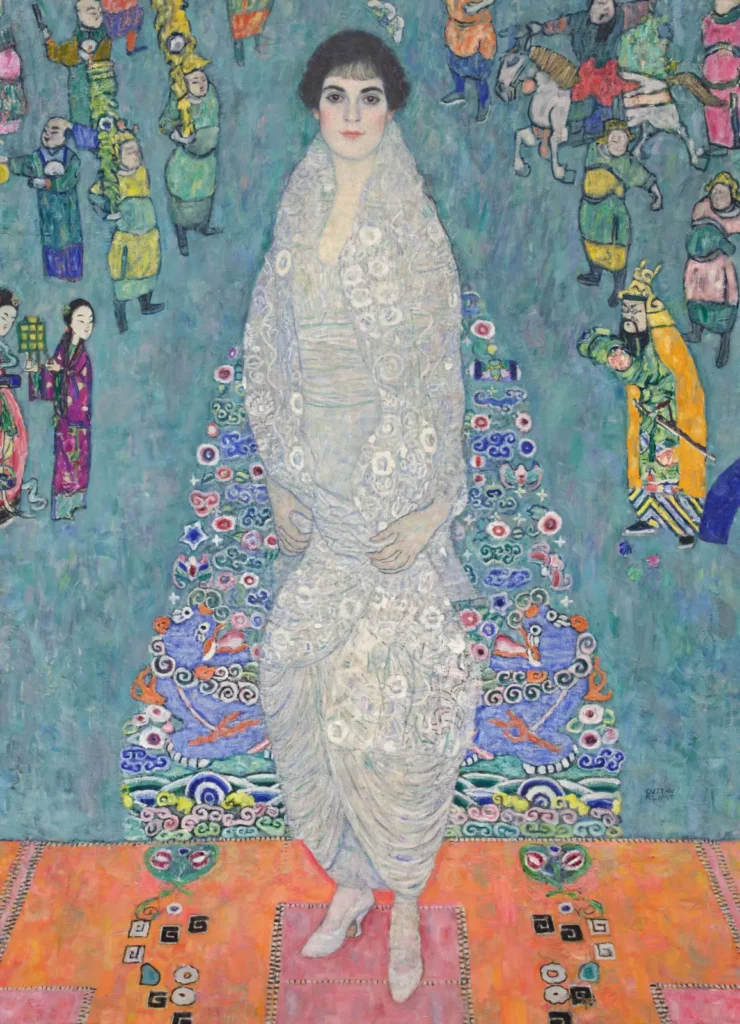 Elisabeth Lederer