Last updated: 20 November 2026. Klimt’s most important patrons, among them the Lederers, the Bloch-Bauers, the Zuckerkandls and the Munks, were Jewish. After the Nazi annexation of Austria in March 1938 their collections were confiscated, “aryanised” or sold under pressure.
TrackerReturned Klimts
Major Klimt paintings returned to, or settled with, the heirs of their pre-war owners:
| Year | Painting | Returned by | Outcome | What happened next |
|---|---|---|---|---|
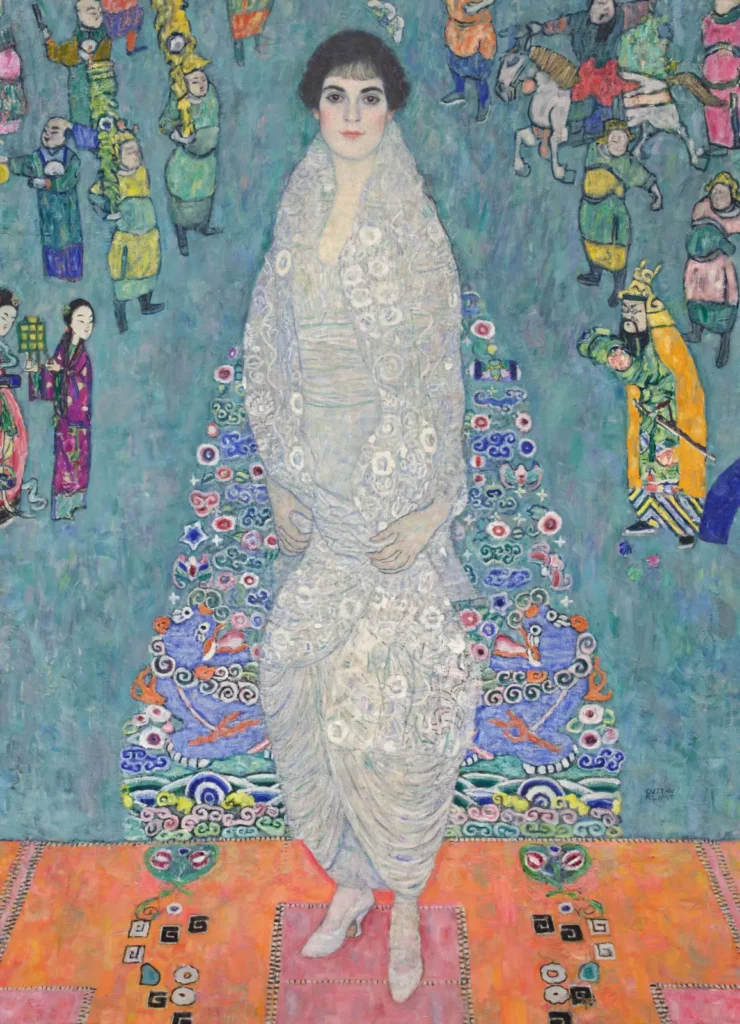
| 1948 | Portrait of Elisabeth Lederer | Lederer collection | Returned to Erich Lederer after the war | Sold for $236.4m at Sotheby’s in 2025 |
| 2001 | Apple Tree II | Belvedere, Vienna | Returned to the heirs of Nora Stiasny | Later research suggested it was the wrong painting; see Rosebushes below |
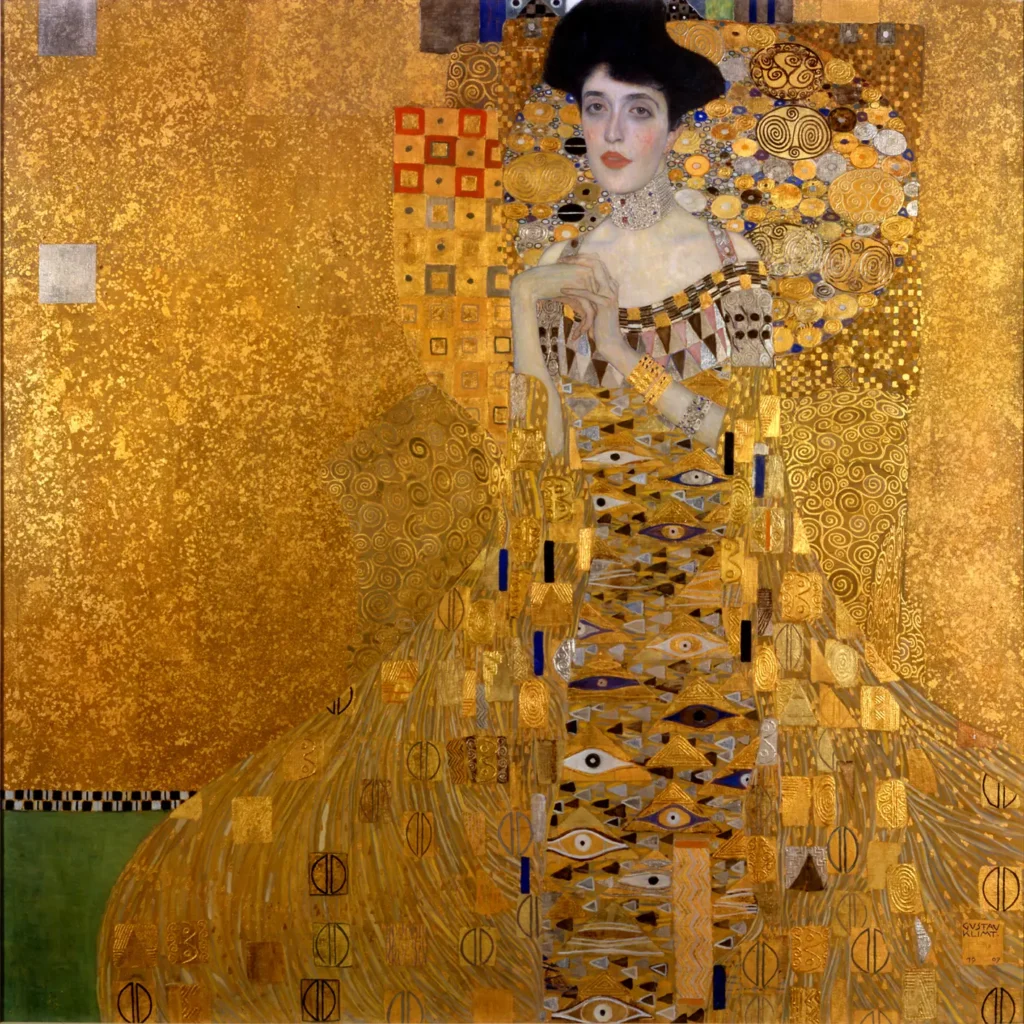
| 2006 | Adele Bloch-Bauer I, Adele Bloch-Bauer II, Birch Forest, Apple Tree I, Houses at Unterach | Belvedere, Vienna | Returned to Maria Altmann and the Bloch-Bauer heirs after arbitration | Adele I to the Neue Galerie ($135m); the other four sold at Christie’s for $192.7m |
| 2009 | Portrait of Ria Munk III | Lentos Museum, Linz | Returned to the heirs of Aranka Munk | Sold at Christie’s London in 2010 for £18.8m |
| 2011 | Litzlberg am Attersee | Museum der Moderne, Salzburg | Returned to the heir of Amalie Redlich | Sold at Sotheby’s New York for $40.4m |
| 2013 | Water Serpents II | Private collection | Sold under a settlement with the heirs of its pre-war owner | Then resold privately for a reported $183.8m |
| 2014 | Portrait of Gertrud Loew | Klimt Foundation, Vienna | Settlement with the sitter’s heirs under the Washington Principles | Sold for £24.8m (2015) and £36.2m (2026) |
| 2022 | Rosebushes under the Trees | Musée d’Orsay, Paris | Returned by France to the heirs of Nora Stiasny on 23 March 2022 | The only Klimt the French state ever owned |
| 2024 | Portrait of Fräulein Lieser | Private collection, Austria | Offered under a planned settlement with the Lieser heirs; the settlement failed | €30m hammer at im Kinsky (April 2024); buyer withdrew in 2025 and the sale was cancelled; now the subject of a US lawsuit |
DisputesDisputed and rejected claims
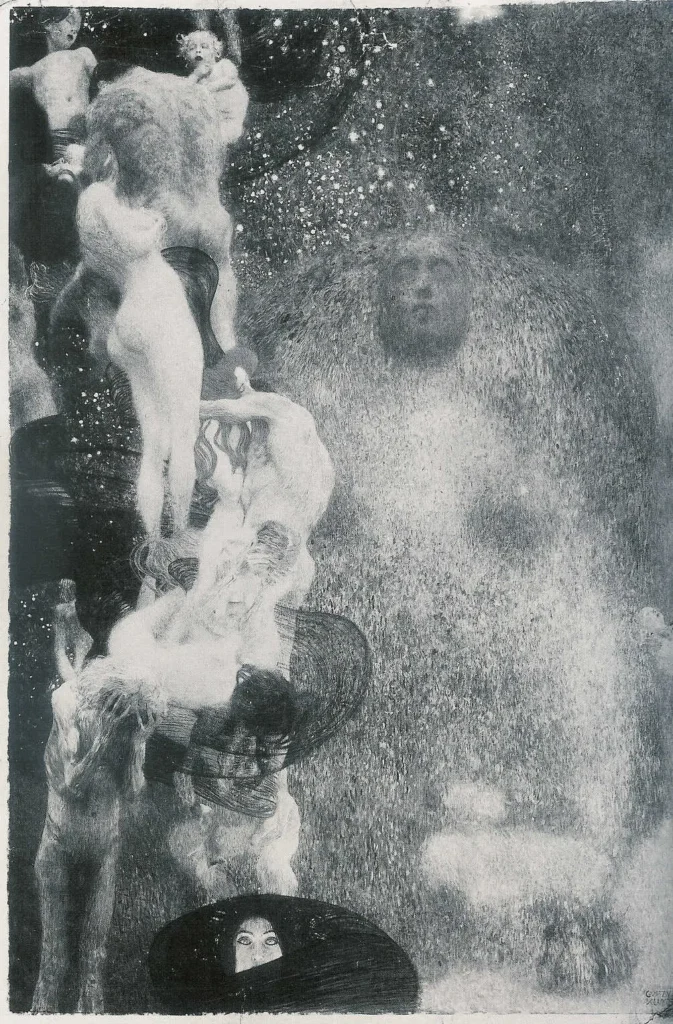
Not every claim succeeds. The heirs of the Lederer family sought the Beethoven Frieze, sold to the Austrian state in 1973, but Austria’s restitution advisory board rejected the claim in 2015. The Portrait of Amalie Zuckerkandl remains in the Belvedere after a long dispute. And many Klimts from the Lederer collection, including Philosophy, were destroyed in the fire at Schloss Immendorf in 1945, so they can never be returned; see lost Klimt paintings.
ProcessHow restitution works
Austria passed an Art Restitution Act in 1998, which created an advisory board to examine works in federal collections, including the Belvedere. Internationally, the Washington Conference Principles of 1998 encourage “just and fair solutions” for Nazi-confiscated art, which is why many cases end in a settlement and a shared sale rather than a court ruling. The most famous case, Maria Altmann’s claim against Austria, went to the US Supreme Court in 2004 and was settled by arbitration in 2006; read The Woman in Gold.
MarketRestitution and the market
Restitution has reshaped the Klimt market: many of the highest prices in Klimt auction results were for paintings that came to sale only after being returned. This page is updated as new cases are reported. Know of one we have missed? Tell us.
 The Woman in Gold
 Klimt auction results
 Klimt’s patrons
 Lost Klimt paintings