Gustav Klimt’s Drawings
Klimt drew every day of his working life. His drawings, around 4,000 of them, are some of the most beautiful and intimate works he made, and the key to understanding his paintings.
For Klimt, drawing was not a minor art but the foundation of everything. Before he painted a portrait he might make dozens or even more than a hundred studies of the sitter. He drew models in his studio almost every day, and many of these sheets, made for no purpose but practice and pleasure, are now treasured as works of art in their own right.
The numbersHow many drawings did Klimt make?
The standard catalogue of Klimt’s drawings, compiled by the Viennese art historian Alice Strobl and published in four volumes between 1980 and 1989, records around 4,000 sheets. New drawings still come to light regularly, and the Albertina in Vienna, which holds Strobl’s archive, maintains an online catalogue that continues to grow. Compared with fewer than 250 known paintings, the drawings are by far the largest part of his output.
MethodMaterials and technique
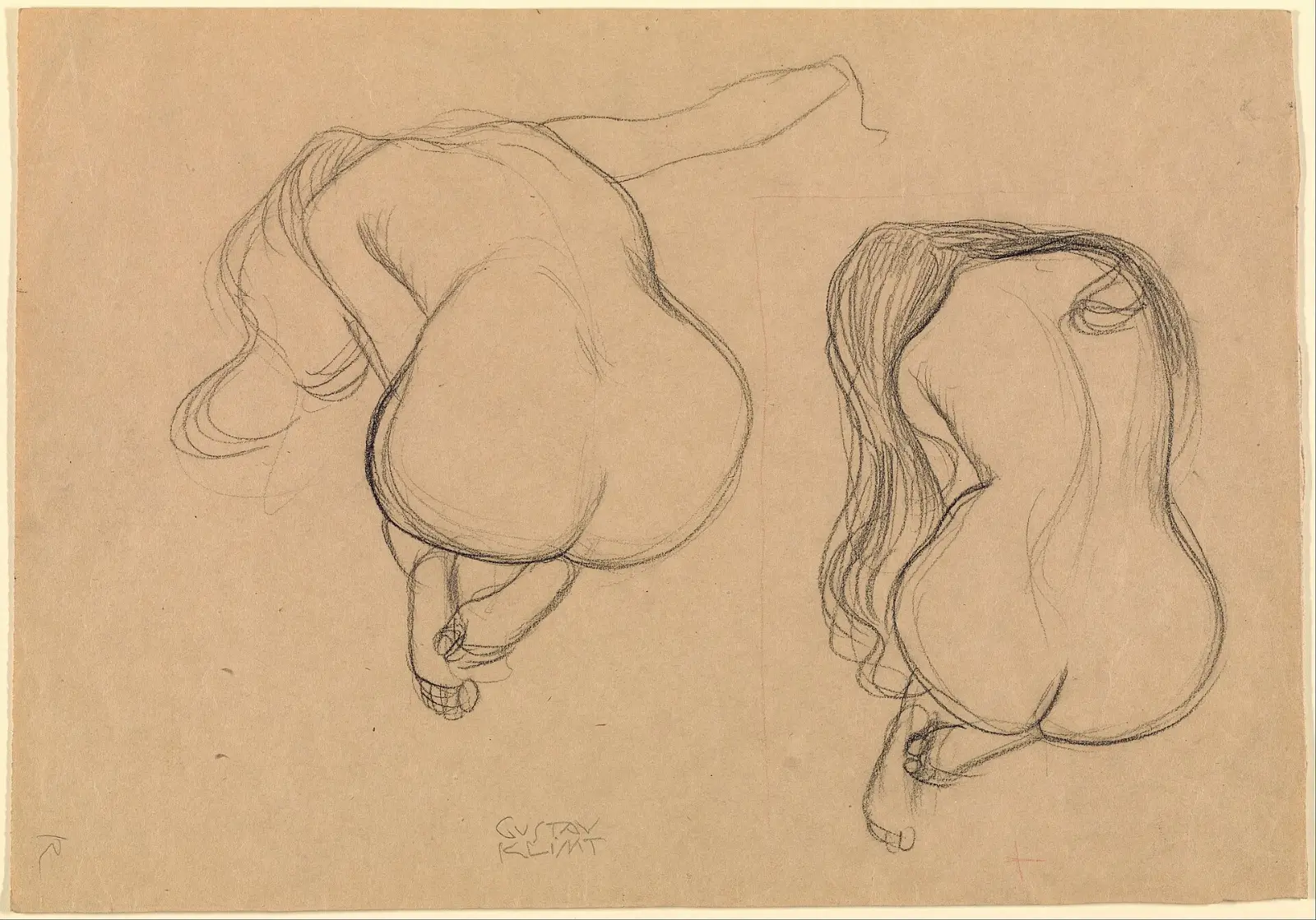
In his student years and early career Klimt drew in an academic manner, with black chalk and charcoal, carefully modelling light and shadow, as in his life studies of nude models. His early allegories, such as Allegory of Sculpture (1889) and Tragedy (1897), are highly finished sheets combining pencil, chalk, wash, watercolour and even gold.
From around 1902 his style changed completely. He began to work mainly in pencil, with long, flowing, sensitive lines that describe a figure with the fewest possible strokes, often adding touches of red and blue coloured pencil. He liked large sheets of thin paper, typically about 56 × 37 cm, and often used Japanese paper, whose soft surface suited the light pencil line. Faces and hands are usually worked up in detail, while bodies and clothes dissolve into a few sweeping contours.
PreparationPortrait studies
For every major portrait Klimt made long series of studies, trying out poses, gestures and costumes. For Adele Bloch-Bauer I he made more than 100 drawings over several years; for the late portraits of Fräulein Lieser, Paula Zuckerkandl and Ria Munk there are many standing figure studies, some of which appear regularly at auction. These sheets let us follow his thinking in a way the finished paintings, with their ornament, often hide.
Big projectsStudies for the great allegories
Klimt also drew hundreds of studies for his large decorative cycles: floating figures for the Faculty Paintings, the knight, the Gorgons and the embracing couple of the Beethoven Frieze, and the dancer and lovers of the Stoclet Frieze. Because the Faculty Paintings were destroyed in 1945, the surviving studies are now among the best evidence of what they looked like. His full-size working cartoons for the Stoclet Frieze, including The Tree of Life, are in the MAK in Vienna.
Ver SacrumIllustration and graphic design
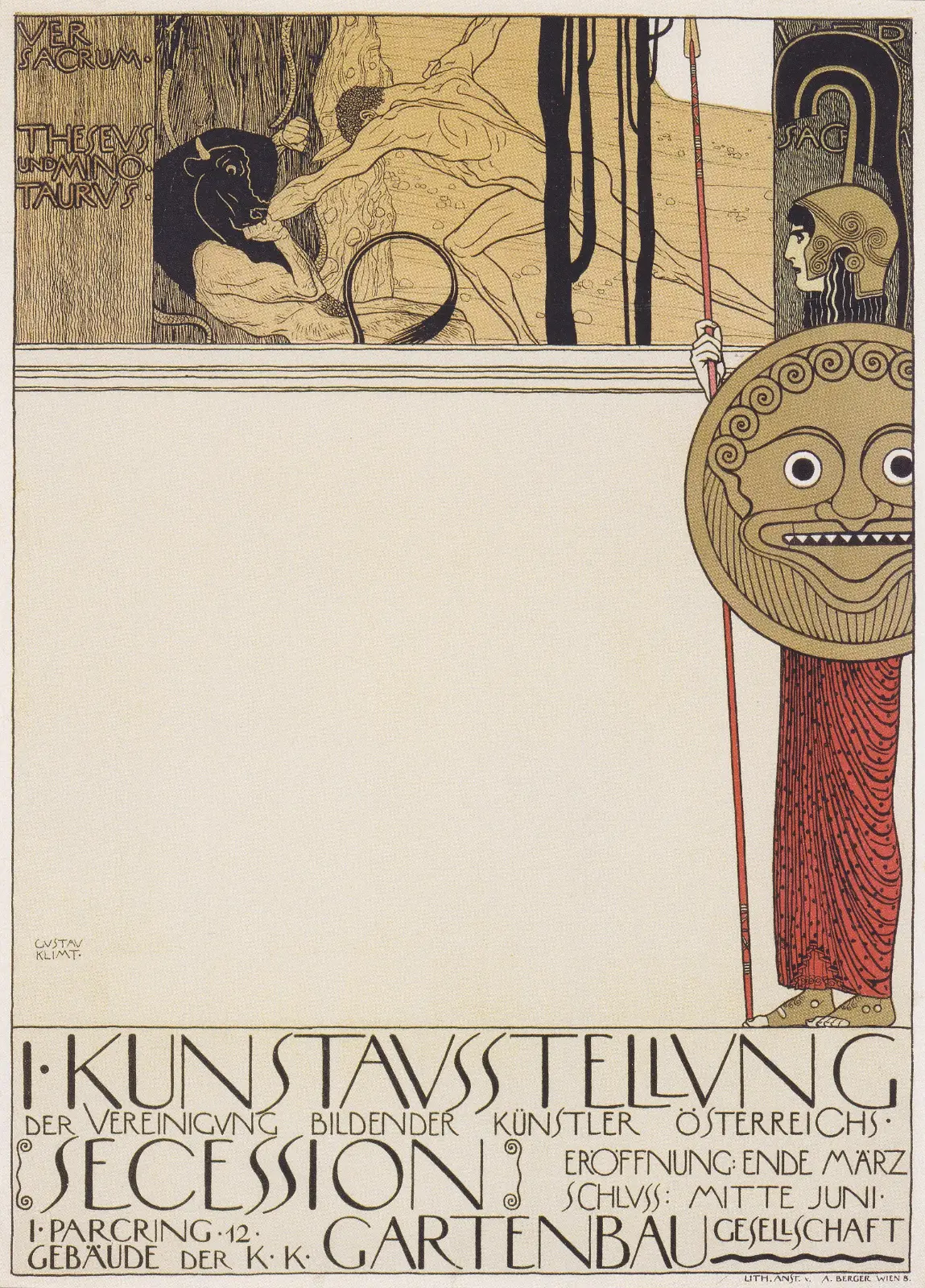
As a founder of the Vienna Secession, Klimt designed posters, catalogue pages and illustrations for its magazine, Ver Sacrum. His poster for the first Secession exhibition in 1898, showing Theseus fighting the Minotaur watched by Athena, had to be altered by the censors, who objected to Theseus’ nudity. His illustrations for Ver Sacrum include Fischblut (Fish Blood) of 1898, a calendar page of 1901 known as Januar, and drawings of Nuda Veritas and Medicine.
IntimacyThe erotic drawings
Klimt’s most famous drawings are his studies of women, often nude, reclining, sleeping or absorbed in their own pleasure. Made in the privacy of his studio with professional models, they are frank, tender and observant, and they were among the boldest erotic images of their time. In 1907 fifteen of them were reproduced to illustrate a deluxe edition of Lucian’s Dialogues of the Courtesans. Many relate directly to paintings such as Danaë, The Maiden and the Water Serpents.
These drawings deeply influenced the young Egon Schiele, whose own drawings took the same frankness in a harsher, more expressive direction.
ExploreDrawings on this site
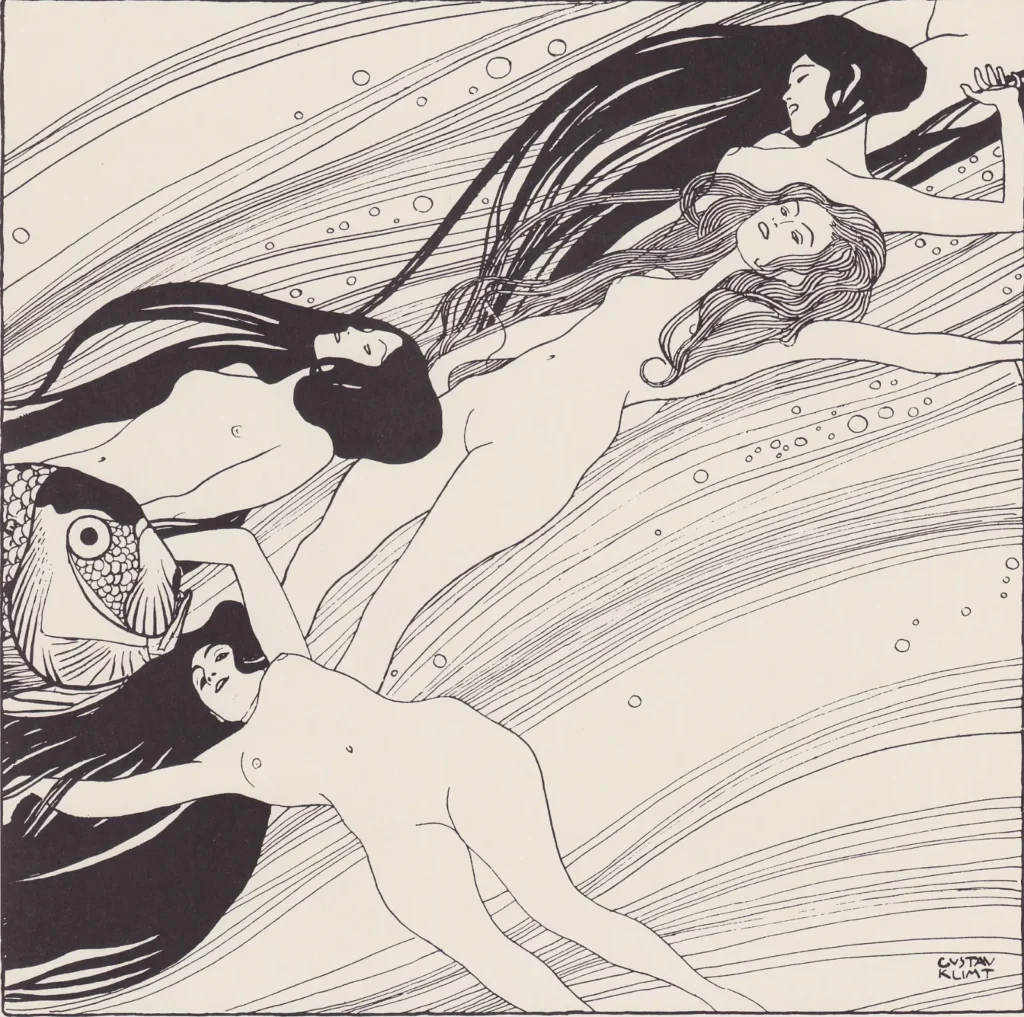 Fischblut (1898)
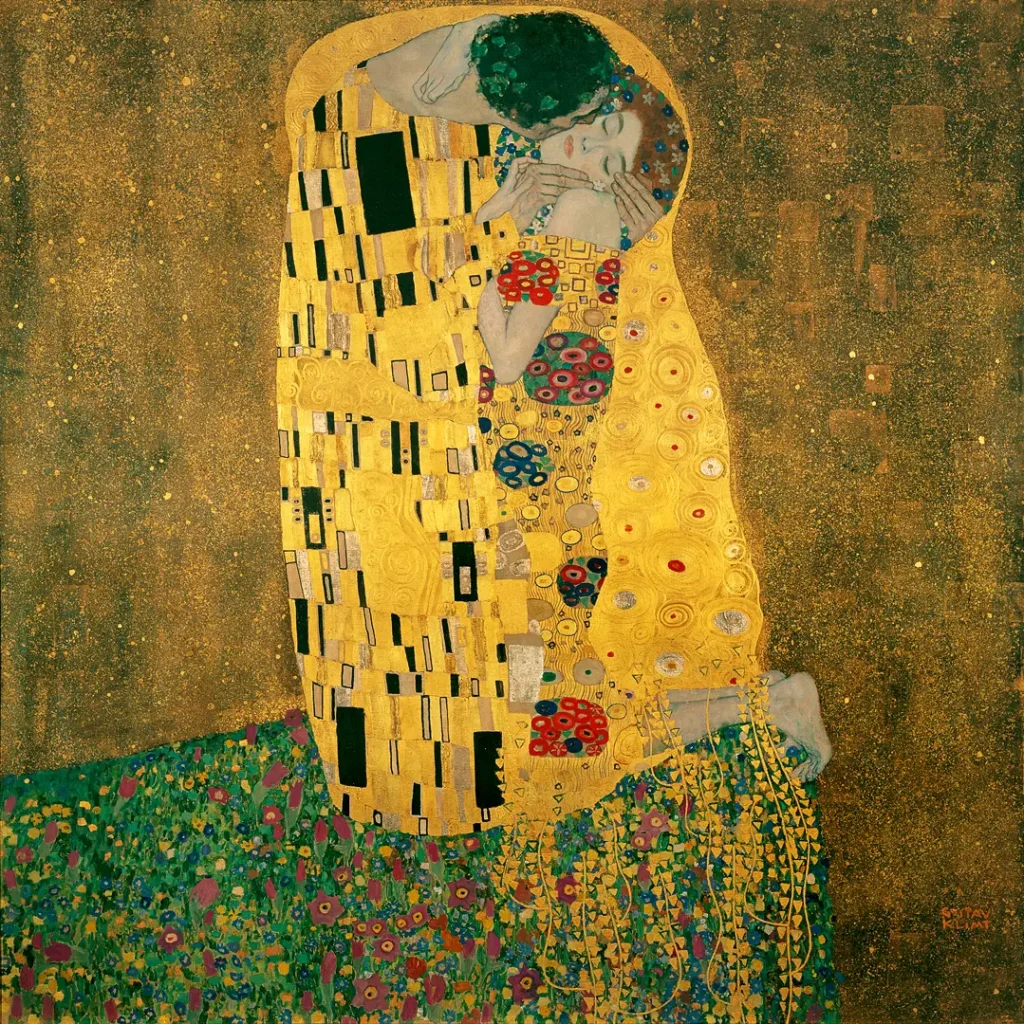 The Lovers (1913)
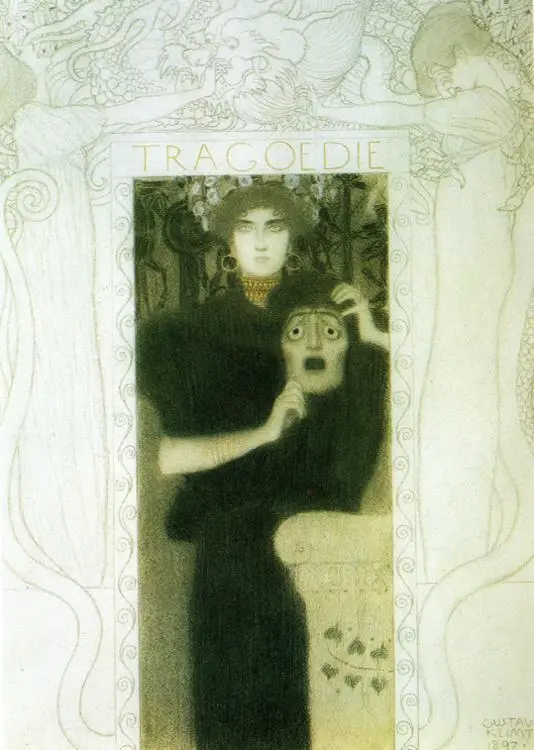 Tragedy (1897)
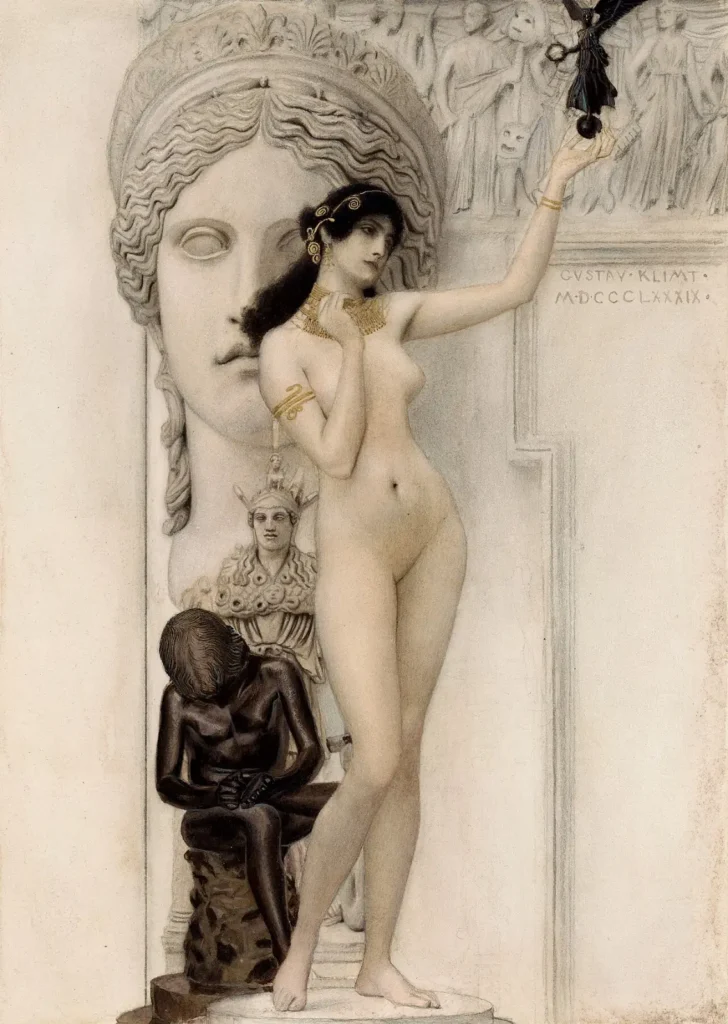 Allegory of Sculpture (1889)
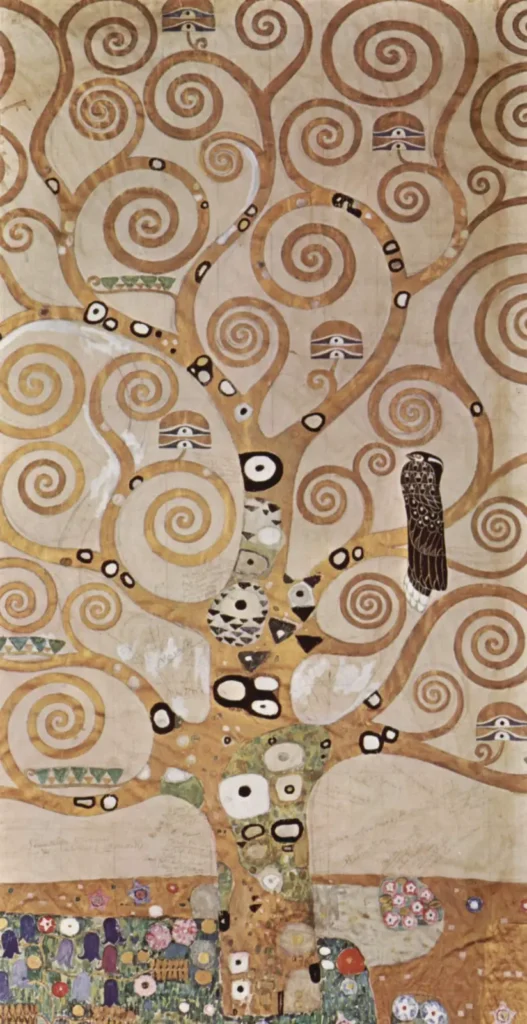 The Tree of Life
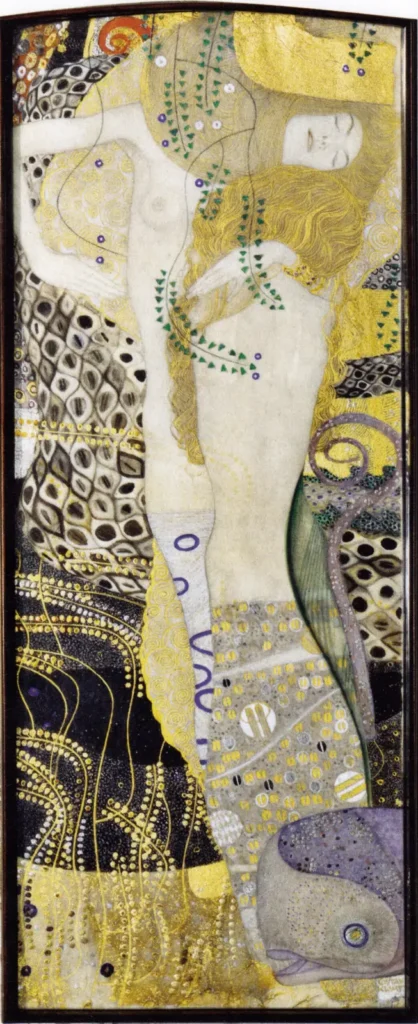 Water Serpents I
MuseumsWhere to see Klimt’s drawings
The largest collections are in Vienna: the Albertina, the Leopold Museum, the Wien Museum and the Klimt Foundation. Major museums abroad, including MoMA and the Metropolitan Museum in New York, also hold important sheets. Because works on paper fade in light, drawings are rotated and shown in temporary exhibitions, so check museum programmes before you travel. See our guide to where to see Klimt and our current exhibitions list.
MarketBuying a Klimt drawing
Klimt drawings come up for sale regularly at auction houses and specialist galleries, which makes them the most accessible way to own an original work by him. Prices depend on the subject, the quality of the line, size, condition and provenance. Many drawings left in his studio at his death carry the stamp “Gustav Klimt Nachlass” (estate). Always check that a sheet is recorded in the Strobl catalogue or the Albertina’s online catalogue. Read our Klimt price guide and how to check if a Klimt is real.
FAQFrequently asked questions
How many drawings did Klimt make?
The standard catalogue raisonné of his drawings, compiled by Alice Strobl and published in four volumes between 1980 and 1989, records around 4,000 sheets, and more continue to be identified. The Albertina in Vienna maintains an online catalogue of his drawings that is still being expanded.
What did Klimt draw with?
Mostly black chalk and charcoal in his early years, and from about 1902 mainly pencil, often with red and blue coloured pencil, usually on large sheets of thin paper, frequently Japanese paper.
Where can I see Klimt’s drawings?
The largest collections are in Vienna, at the Albertina, the Leopold Museum, the Wien Museum and the Klimt Foundation. Because drawings are sensitive to light, they are shown in changing exhibitions rather than on permanent display.
How much is a Klimt drawing worth?
Prices vary widely with subject, quality and condition. Many sheets sell in the tens of thousands, and the finest figure studies can reach several hundred thousand. See our Klimt price guide.
How can I tell if a Klimt drawing is real?
Check whether it appears in the Strobl catalogue raisonné or the Albertina’s online catalogue, examine the provenance and any estate stamp, and consult a recognised expert or major auction house. See Is my Klimt real?
What is the Klimt estate stamp?
Many drawings left in Klimt’s studio at his death were stamped “Gustav Klimt Nachlass” (estate). The stamp shows the sheet passed through his estate, though stamps alone do not prove authenticity.
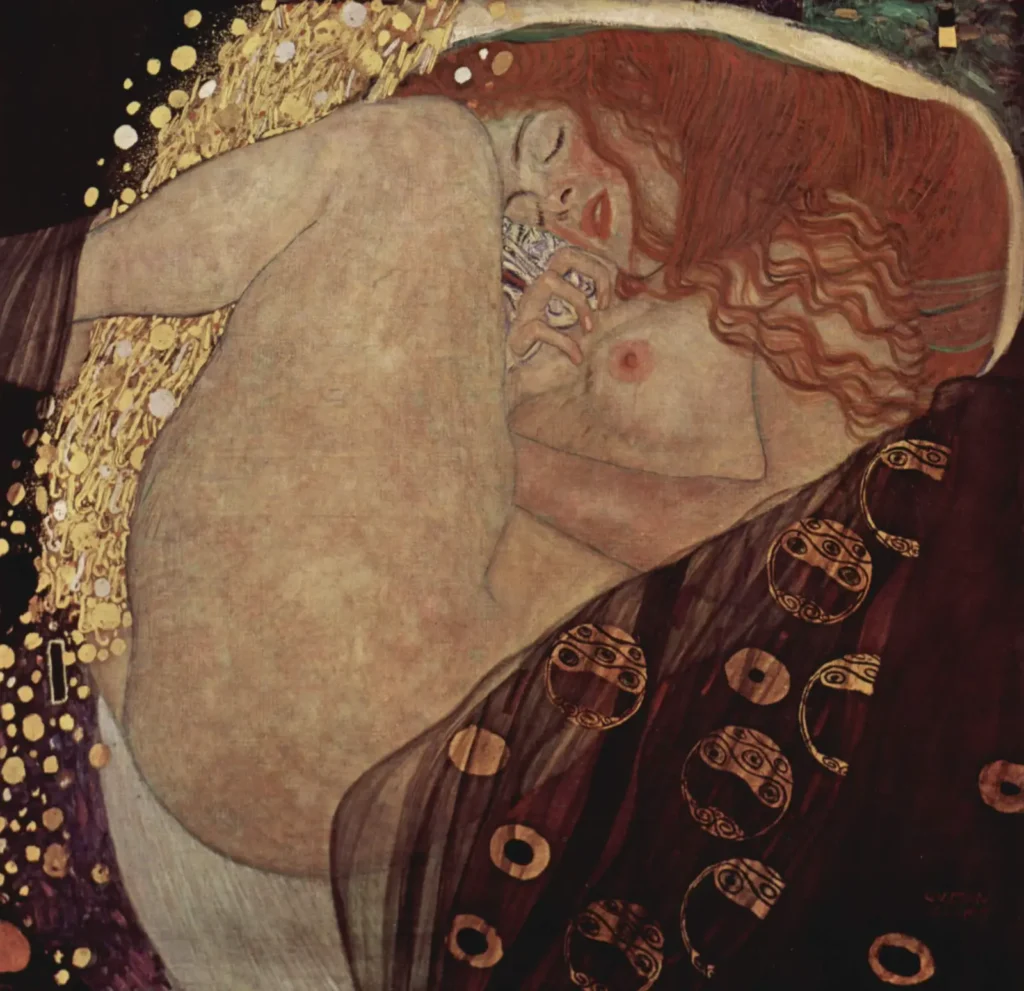 Danaë
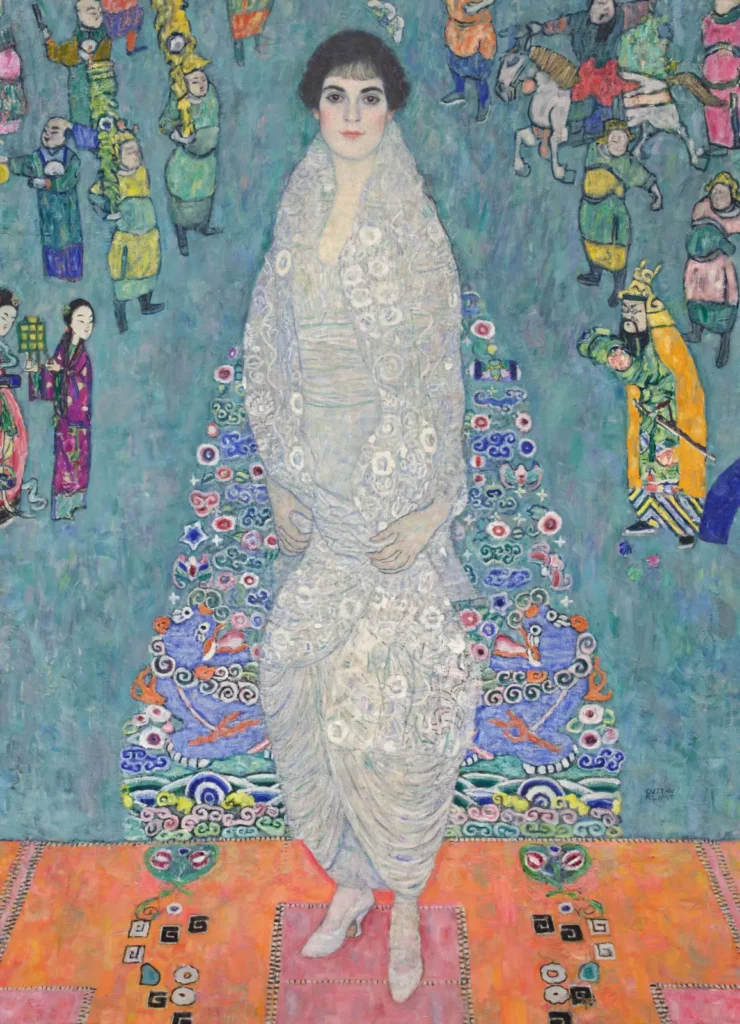 Klimt price guide