Where to See Klimt’s Paintings
A museum-by-museum guide to where Gustav Klimt’s paintings hang today, from the Belvedere in Vienna to the Neue Galerie in New York. Works are sometimes lent to exhibitions, so check with the museum before you travel.
Vienna
Belvedere
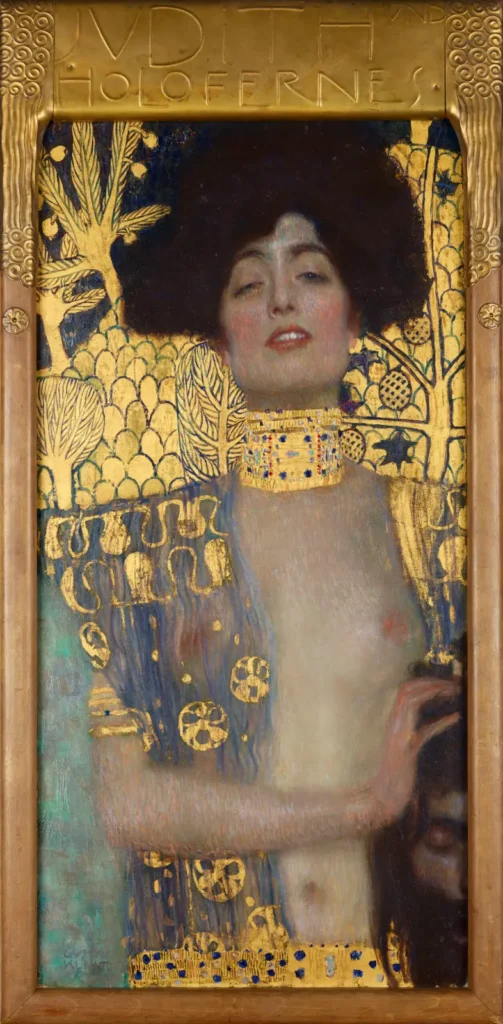
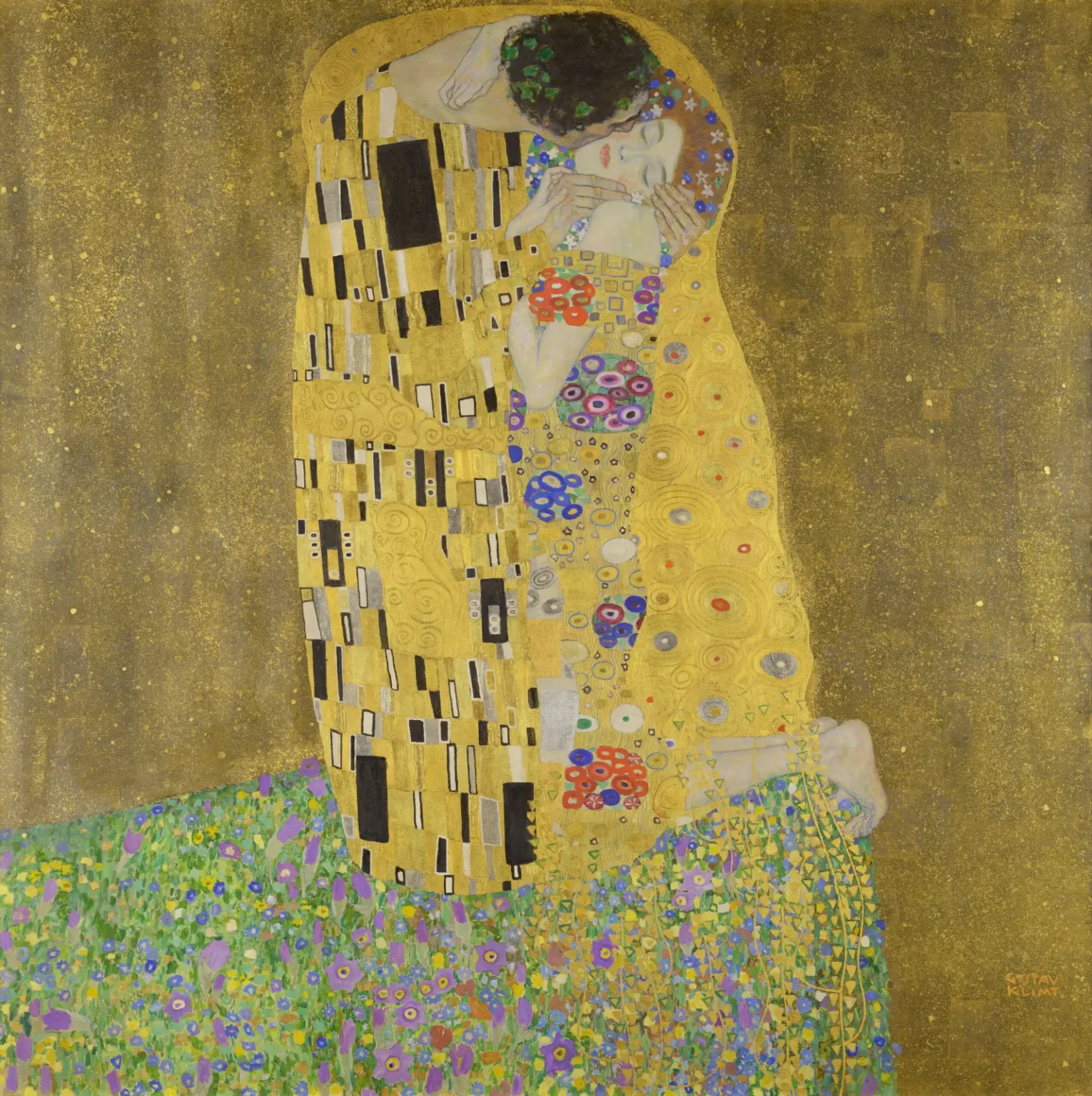
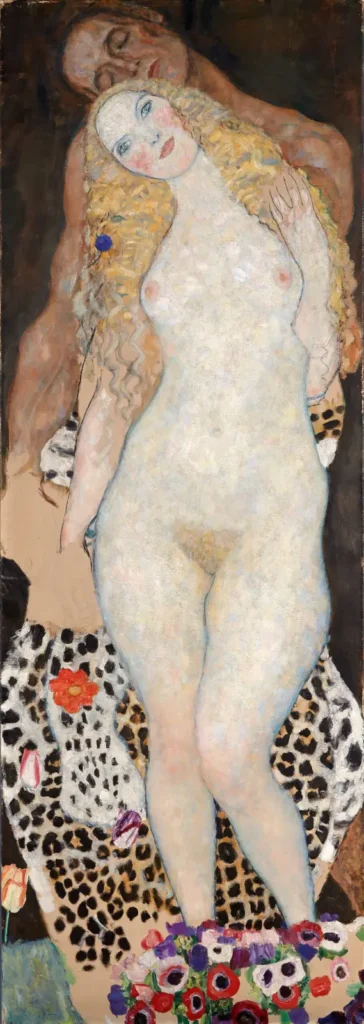
The Upper Belvedere holds the largest collection of Klimt paintings in the world, centred on The Kiss and Judith I. Plan on at least an hour for the Vienna 1900 rooms. Read our Belvedere guide.
8 works in our catalogue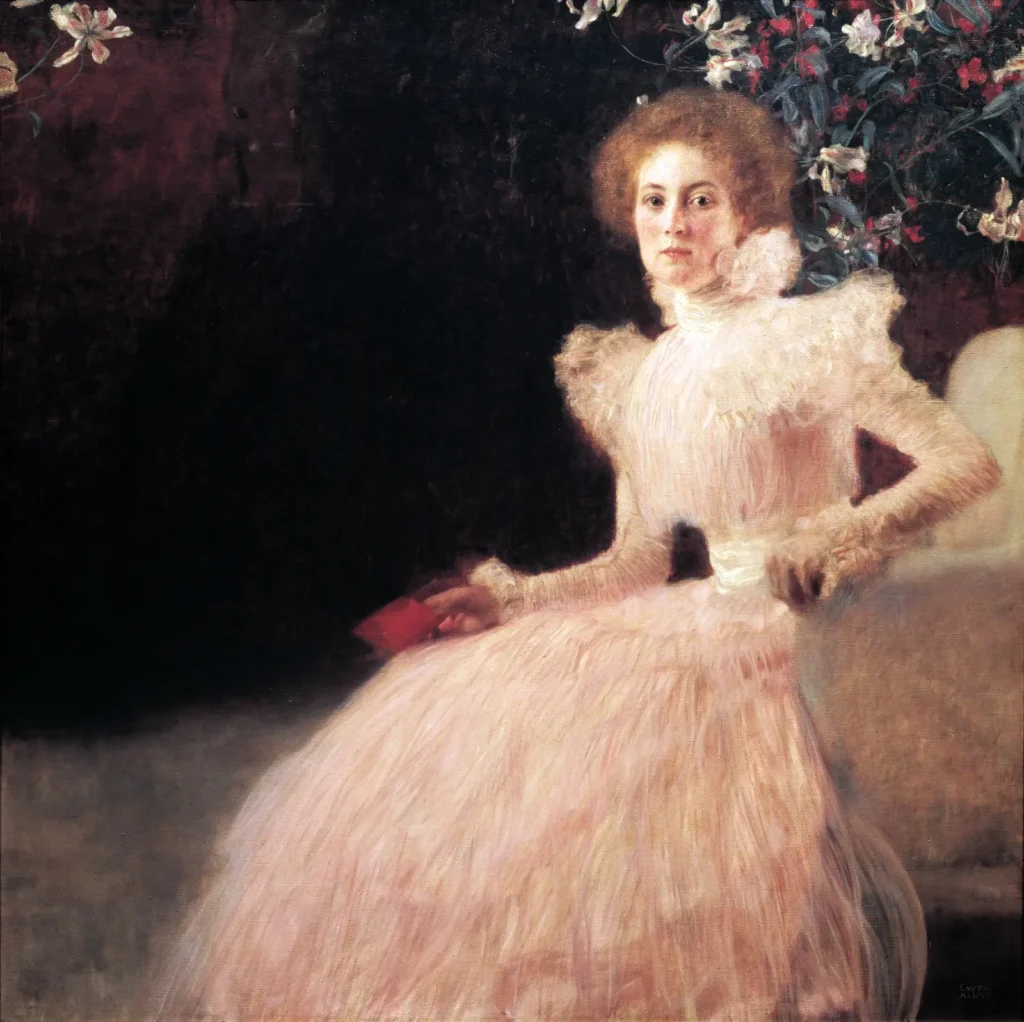
Leopold Museum
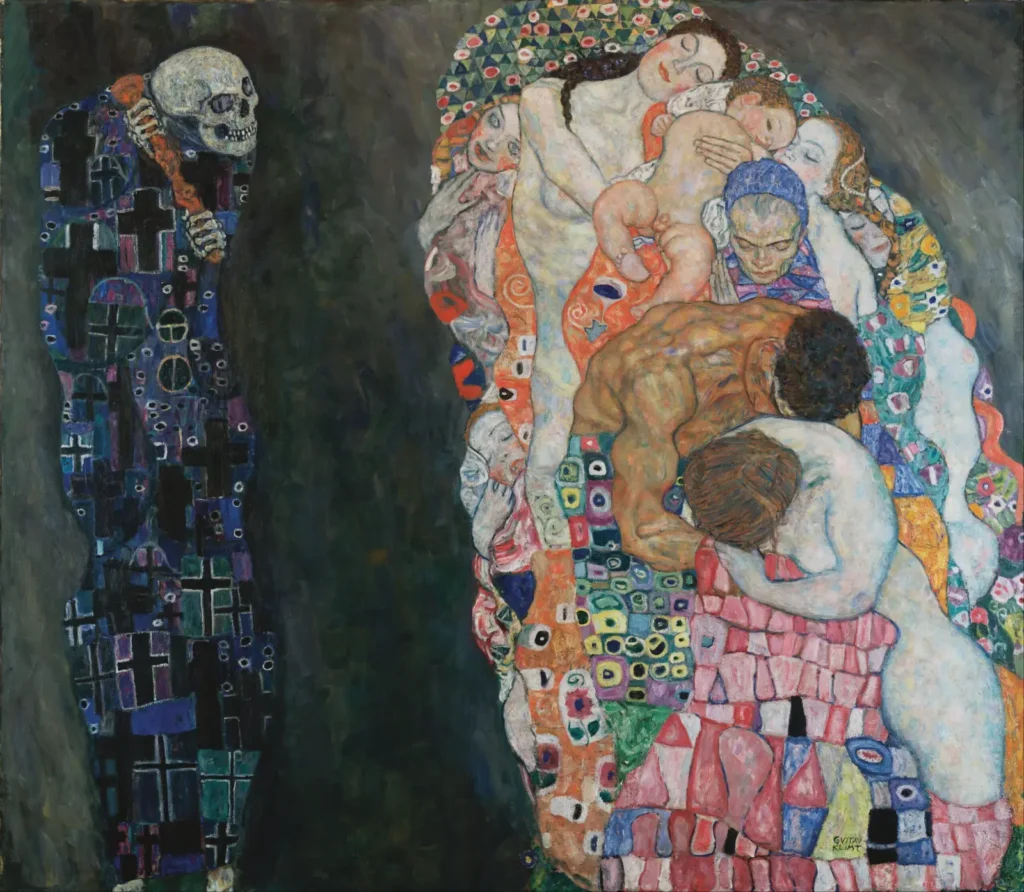
In the MuseumsQuartier, with Death and Life and Klimt’s early Attersee landscape alongside the world’s largest collection of works by Egon Schiele. Read our Leopold Museum guide.
2 works in our catalogue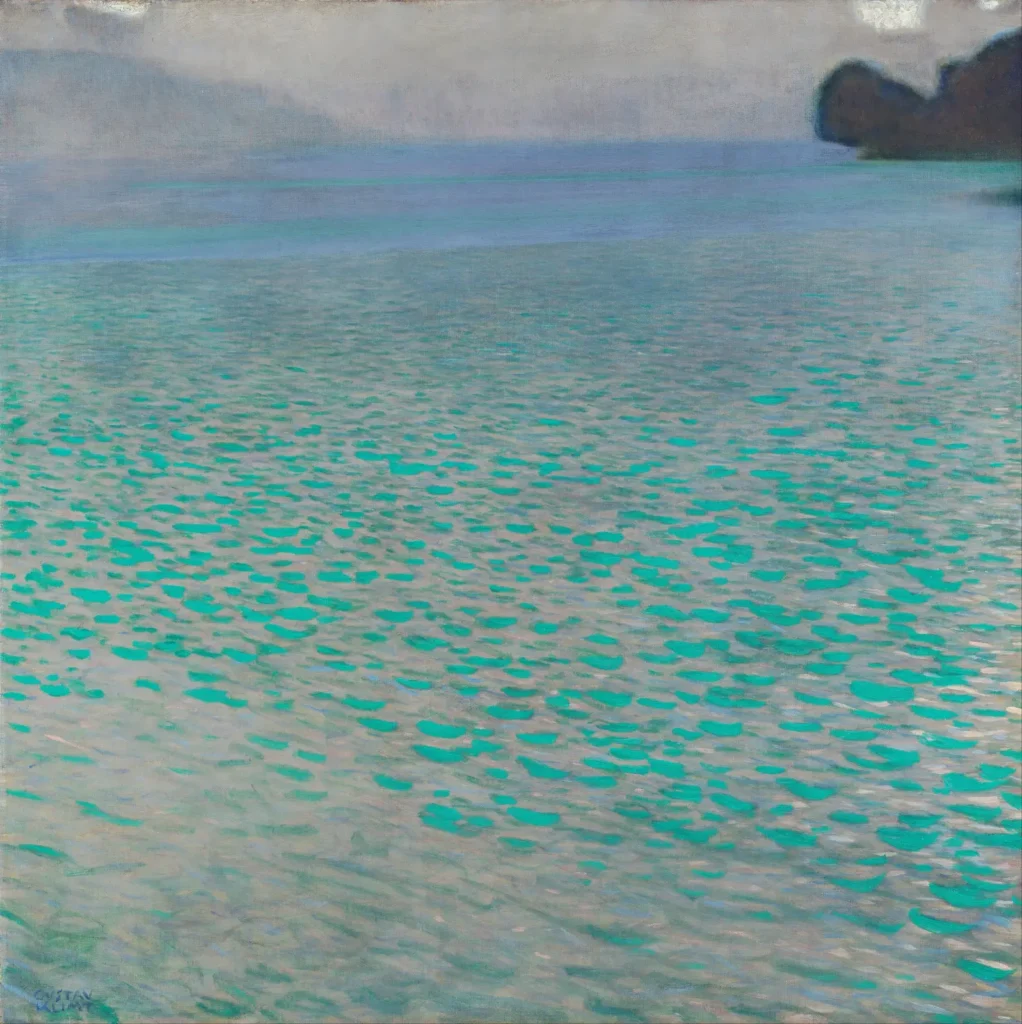
Wien Museum
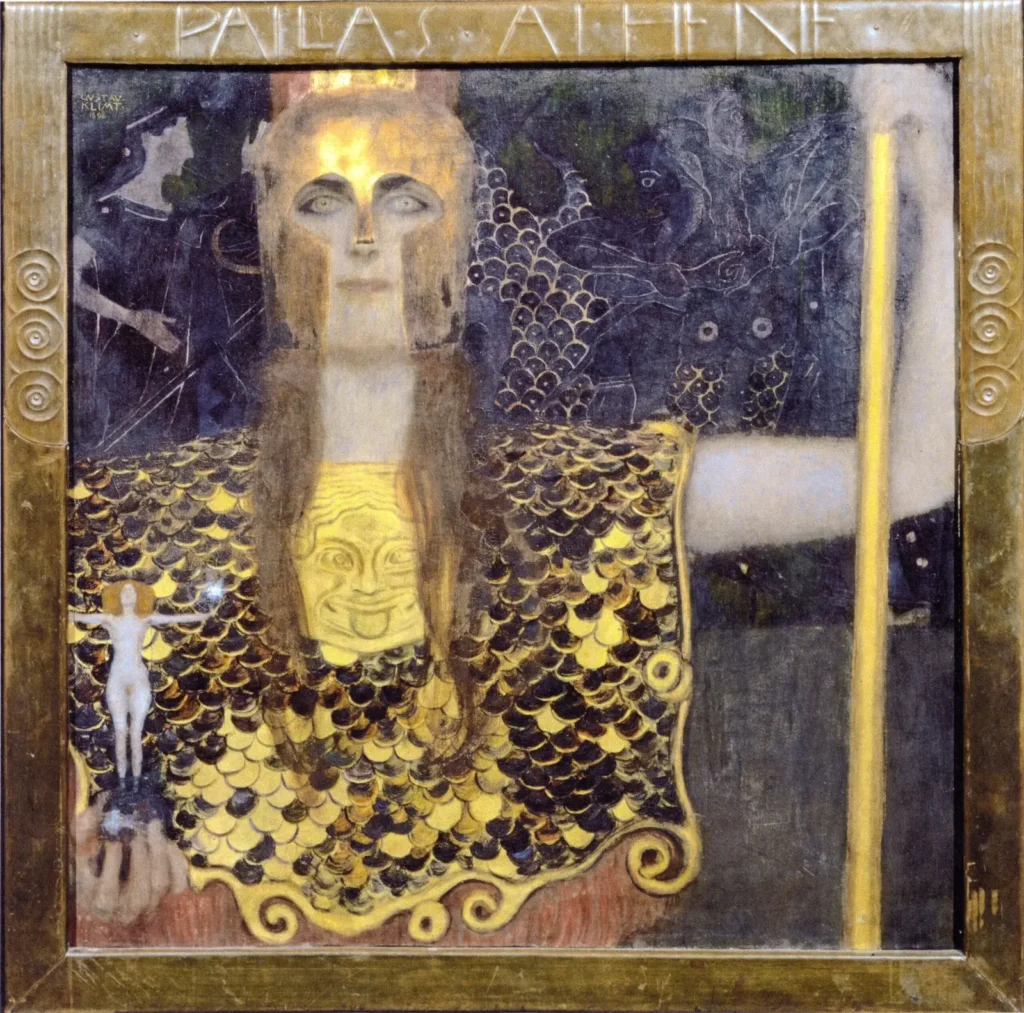
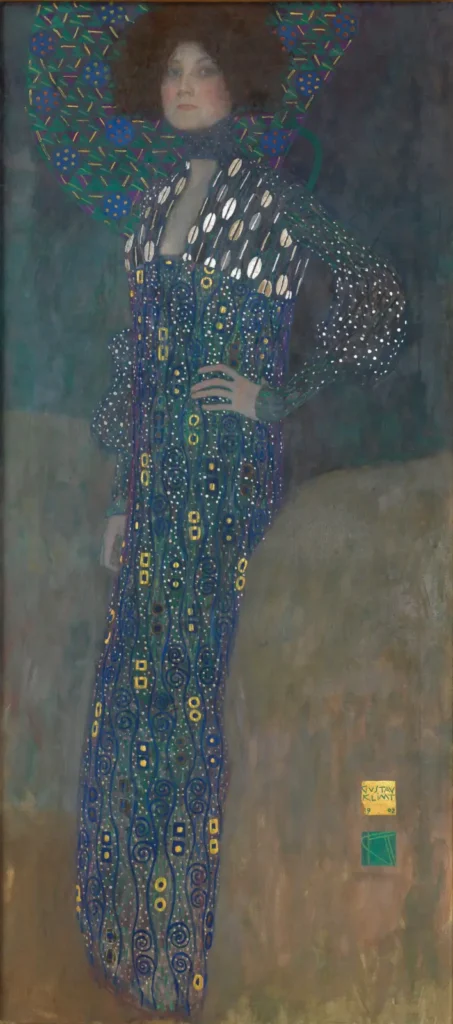
Vienna’s city museum on Karlsplatz owns Pallas Athene, Love and the 1902 portrait of Emilie Flöge. Read our Wien Museum guide.
3 works in our catalogue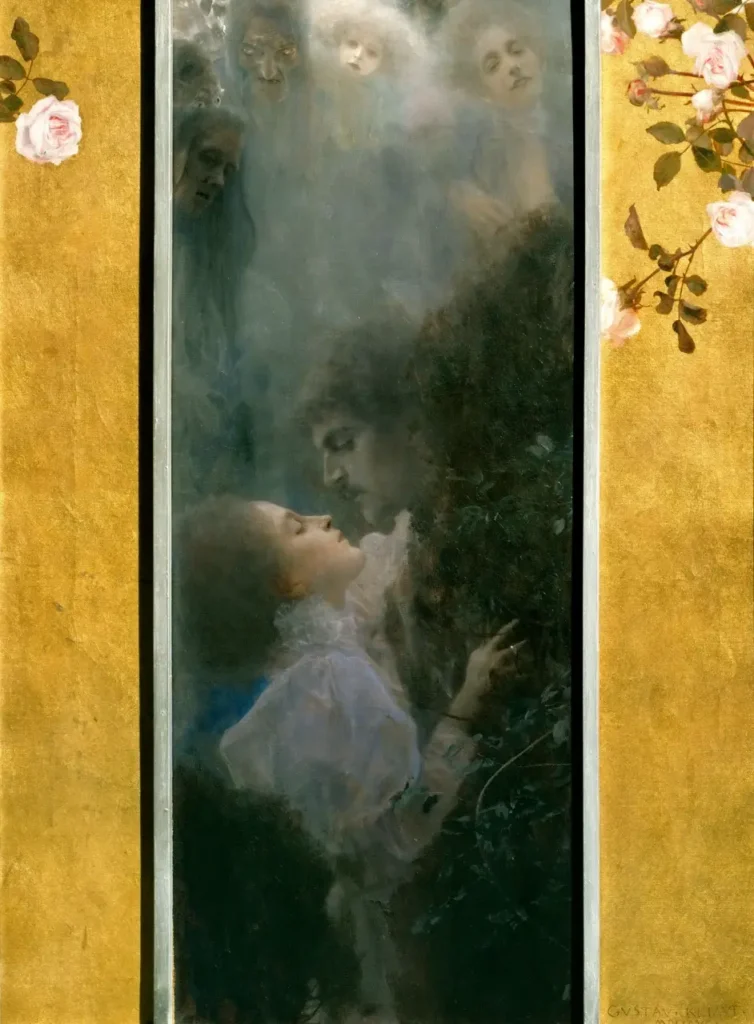
Secession Building
The golden-domed exhibition hall built for the Vienna Secession in 1897–98. The Beethoven Frieze is shown in its own room in the basement. Read our Secession and Beethoven Frieze guide.
1 work in our catalogue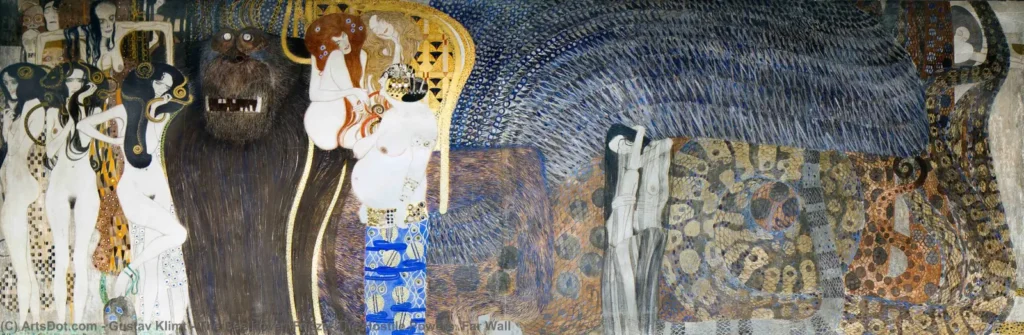
MAK – Museum of Applied Arts
Holds Klimt’s full-size working drawings for the Stoclet Frieze, including the Tree of Life. Read our MAK guide.
1 work in our catalogue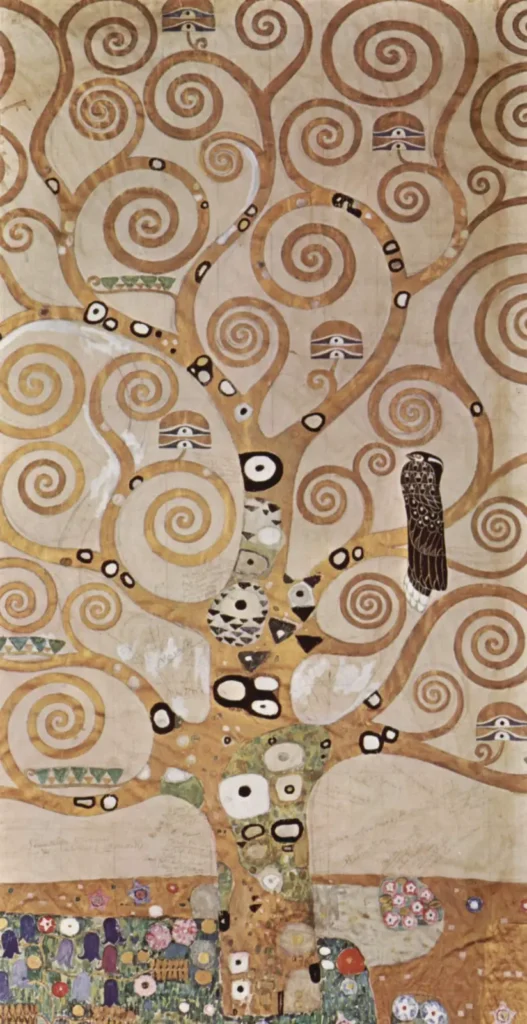
More Klimt places in Vienna and Austria
Albertina (drawings, in changing exhibitions) · Klimt Villa (his last studio in Hietzing) · Klimt Centre and Trail at the Attersee (where he painted his landscapes).
Austrian Theatre Museum
Home of Nuda Veritas, the manifesto painting of the early Secession.
1 work in our catalogue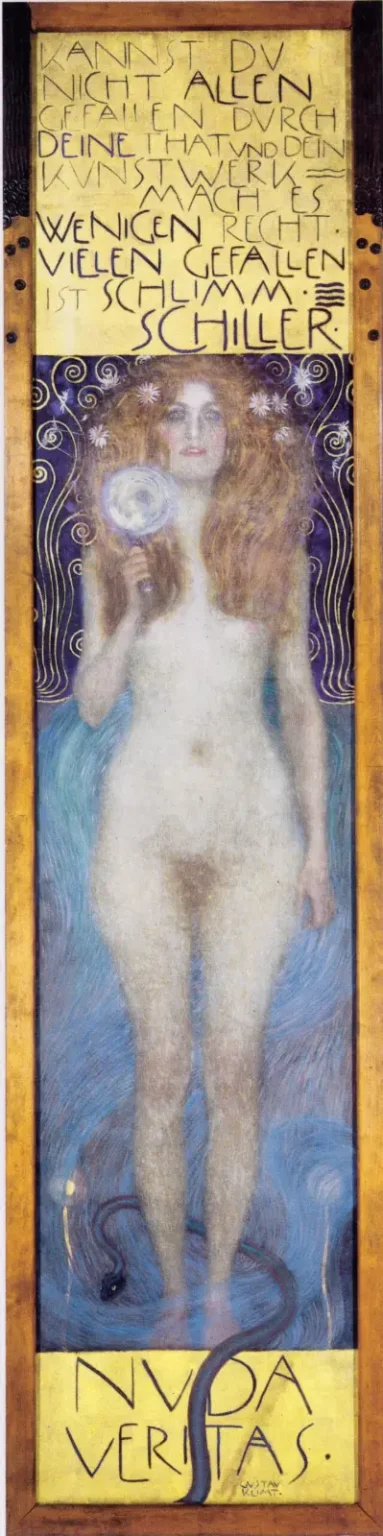
New York
Neue Galerie
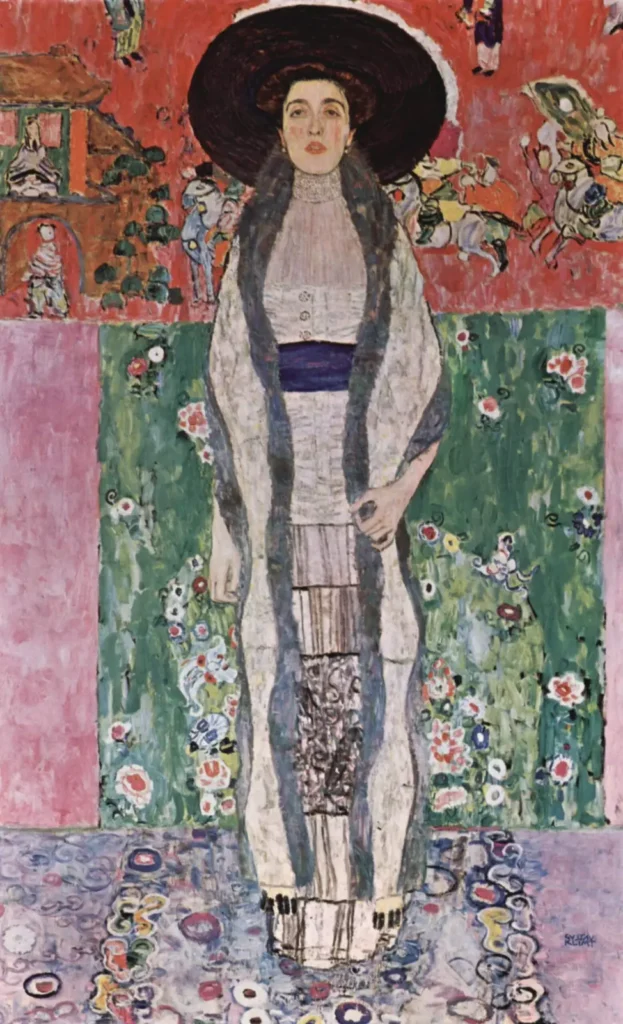
The museum of German and Austrian art on Fifth Avenue, built around the Portrait of Adele Bloch-Bauer I. Read our Neue Galerie guide.
1 work in our catalogue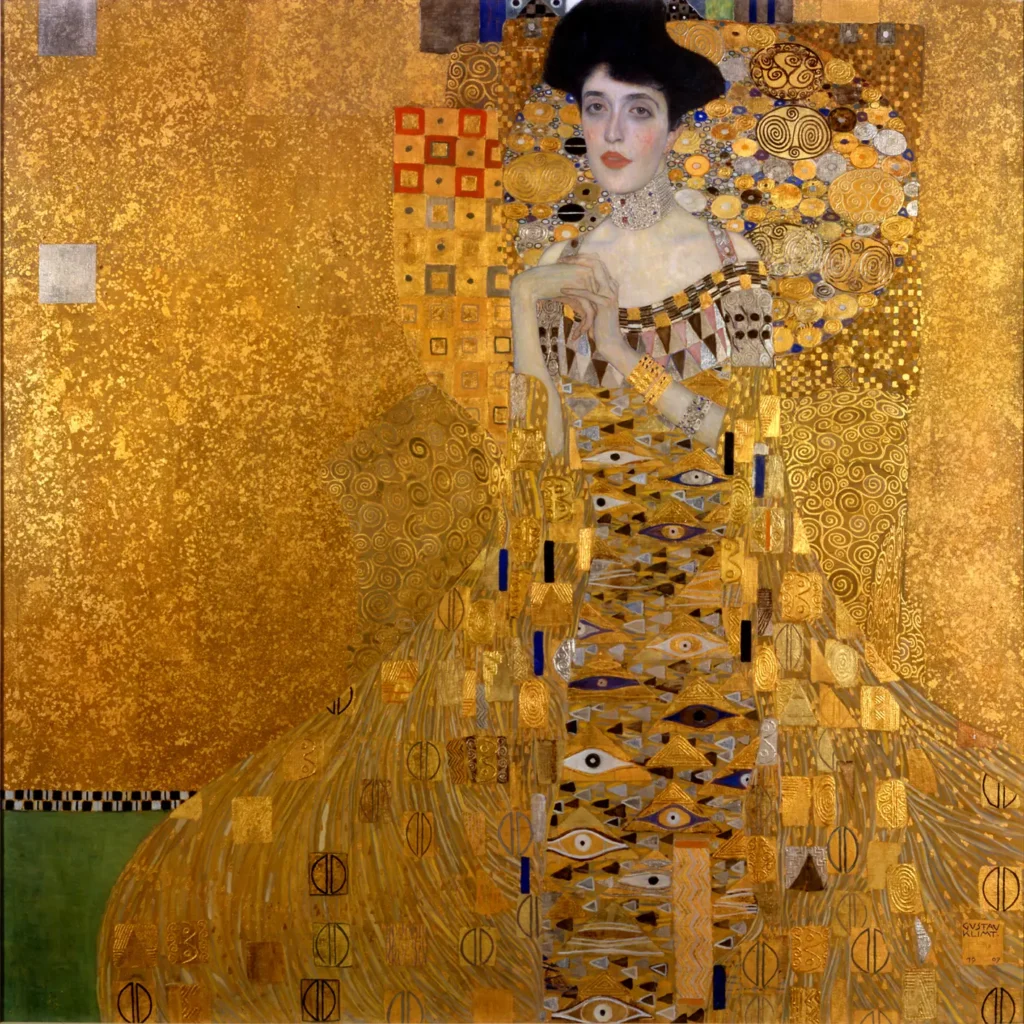
Metropolitan Museum of Art
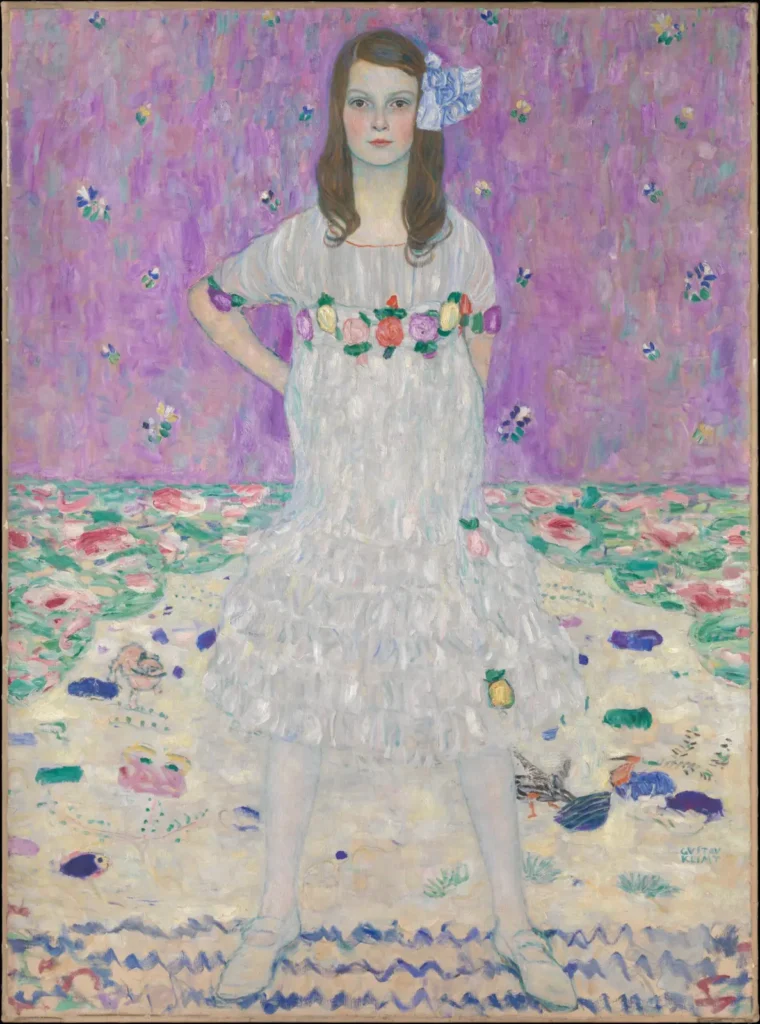
Two Klimt portraits: Serena Pulitzer Lederer and the young Mäda Primavesi.
2 works in our catalogue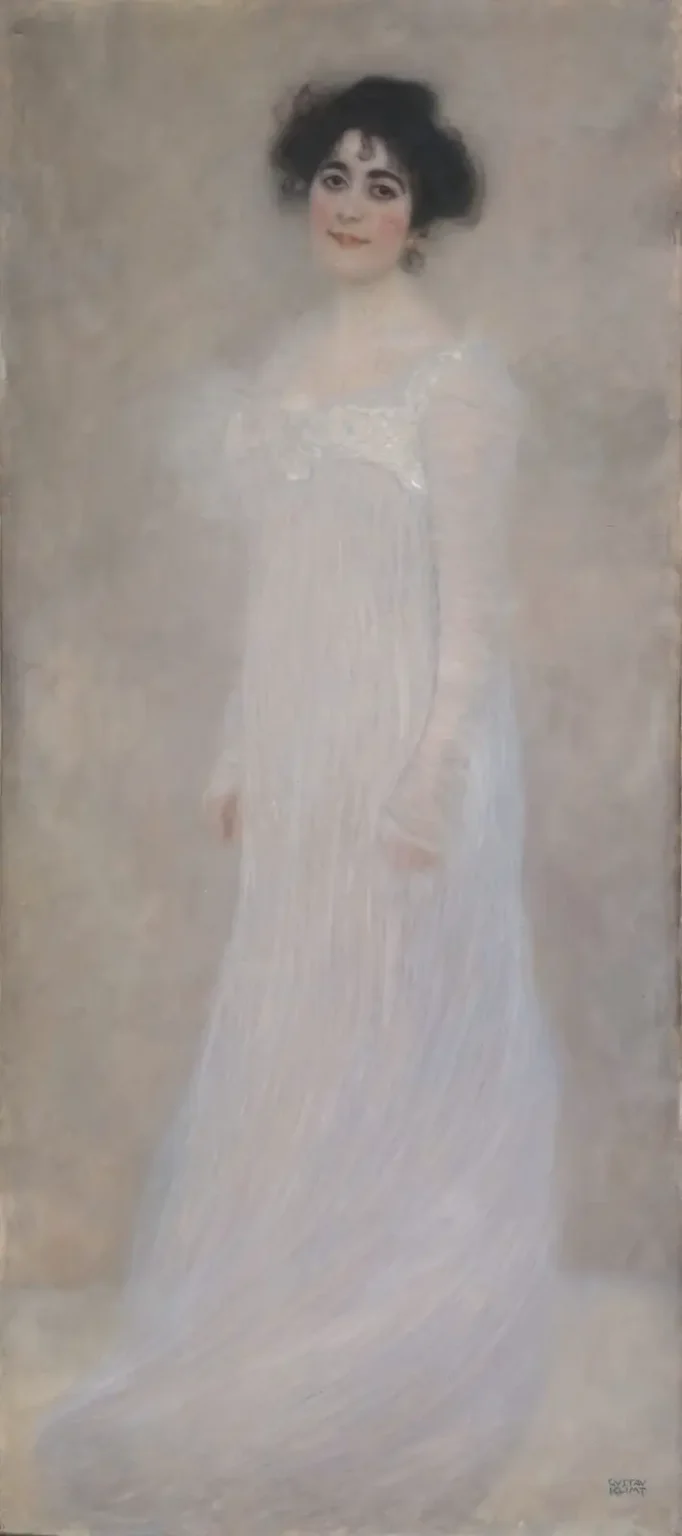
Museum of Modern Art
Hope II, one of the great works of the Golden Phase.
1 work in our catalogue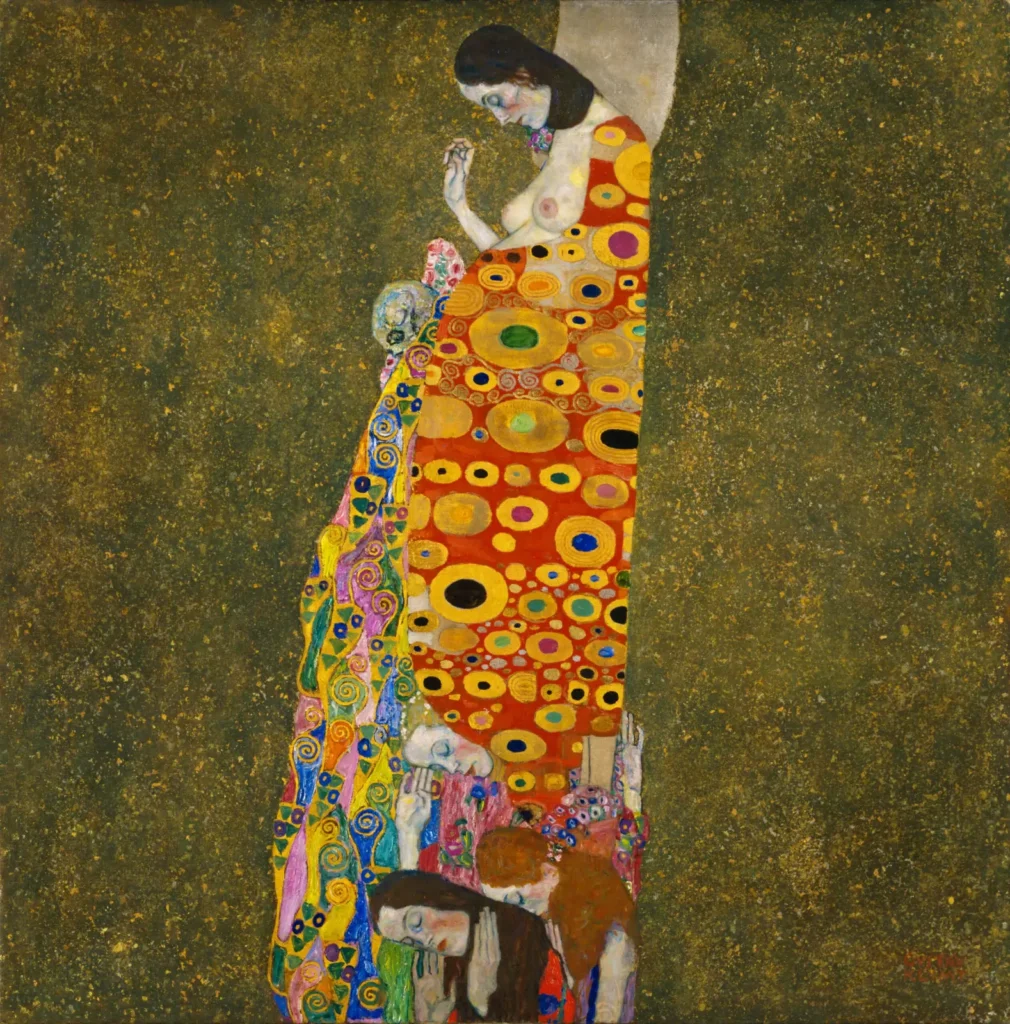
Washington, D.C.
National Gallery of Art
Baby (Cradle), one of the last paintings Klimt worked on.
1 work in our catalogue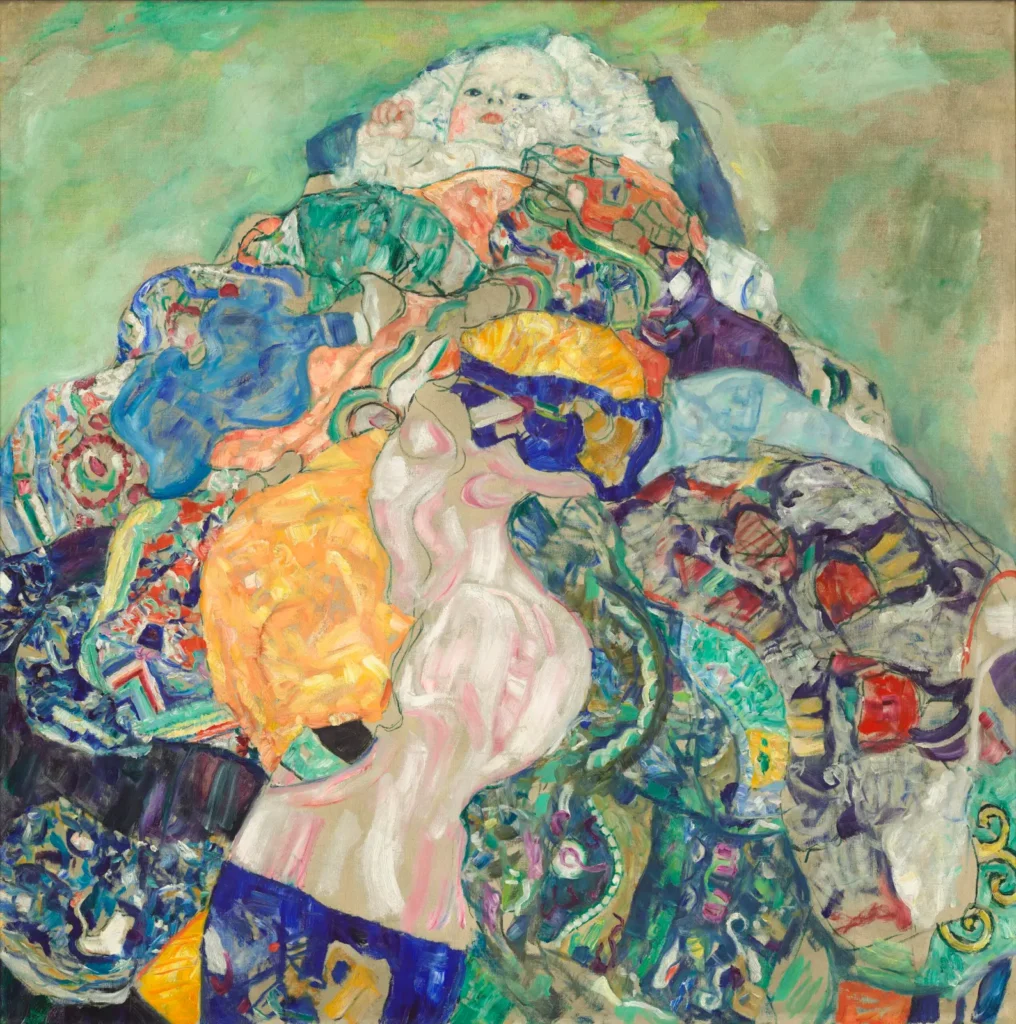
Ottawa
National Gallery of Canada
Hope I, Klimt’s once-controversial image of a pregnant woman.
1 work in our catalogue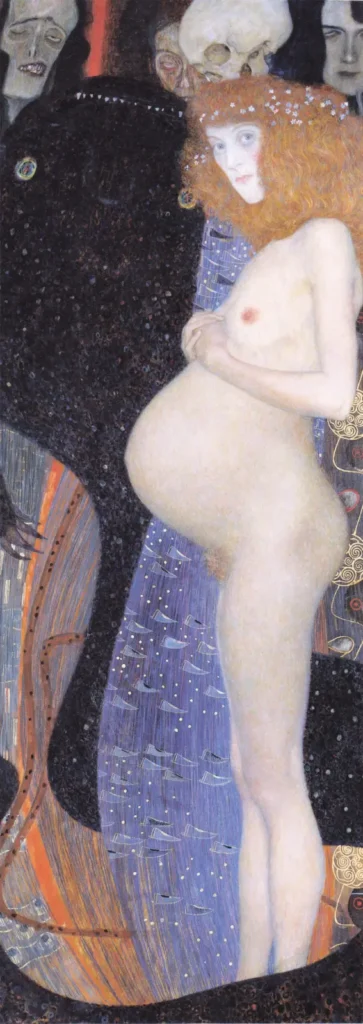
Munich
Neue Pinakothek
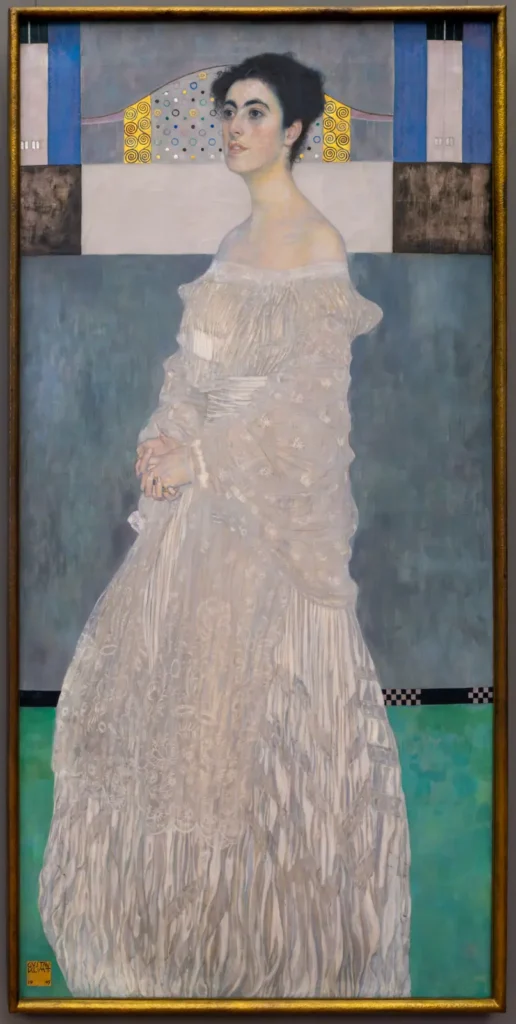
Music I and the portrait of Margaret Stonborough-Wittgenstein.
2 works in our catalogue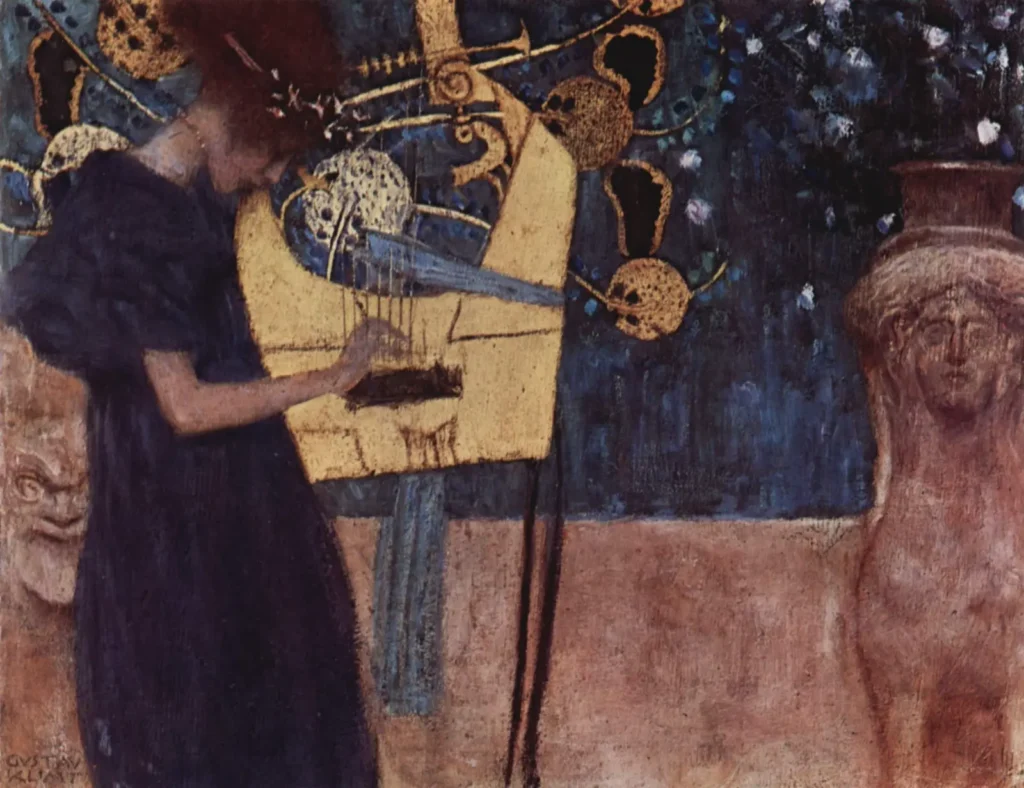
Rome
Galleria Nazionale d’Arte Moderna
The Three Ages of Woman.
1 work in our catalogue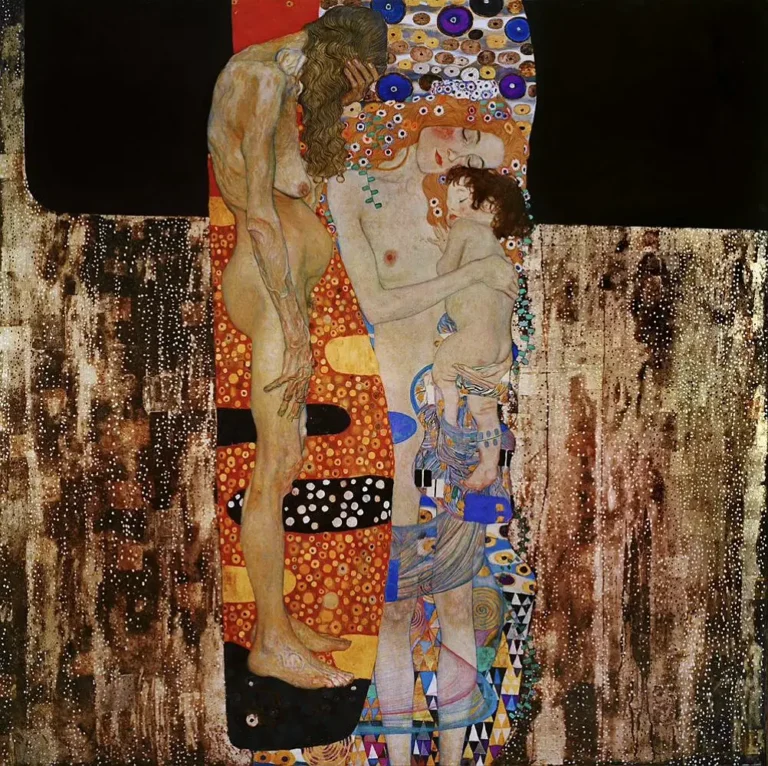
Venice
Ca’ Pesaro
Judith II (Salome), bought by the city of Venice in 1910.
1 work in our catalogue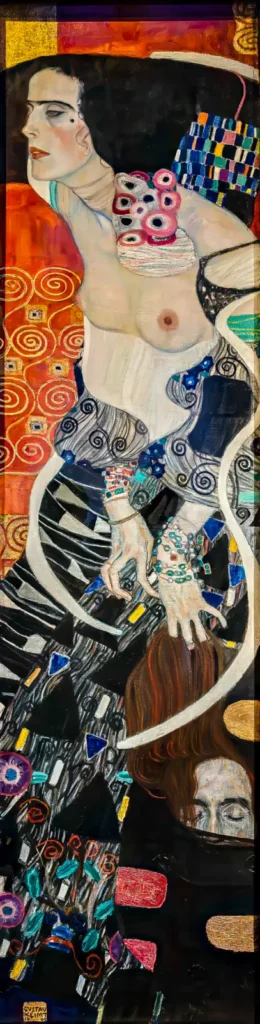
Prague
National Gallery Prague
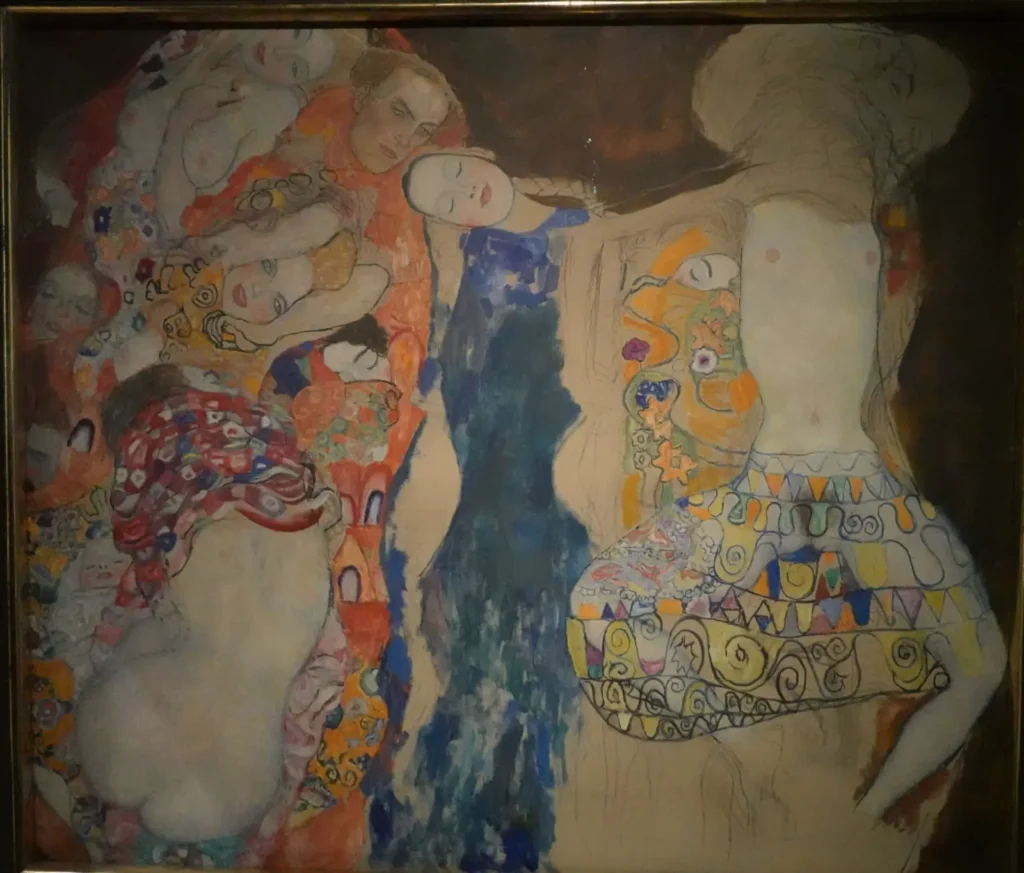
The Maiden (also known as The Virgin).
1 work in our catalogue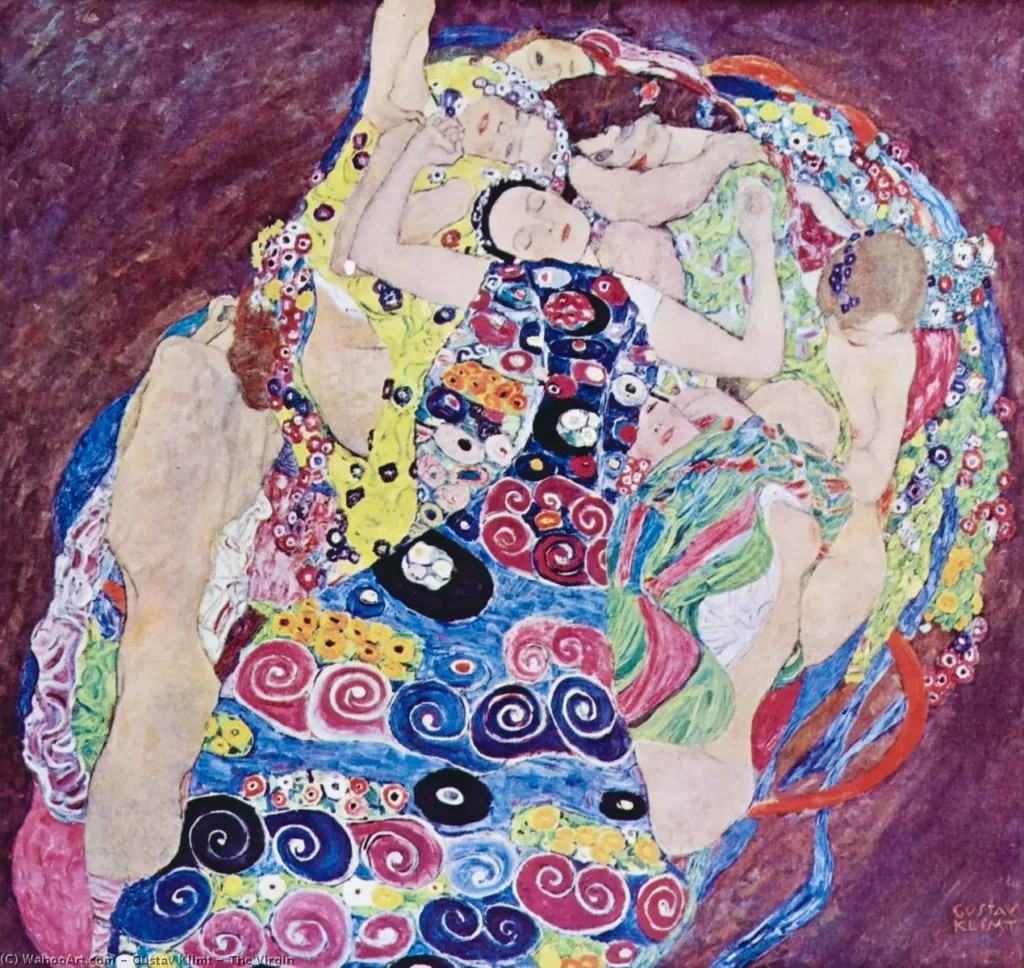
Solothurn
Kunstmuseum Solothurn
Goldfish, Klimt’s provocative reply to his critics.
1 work in our catalogue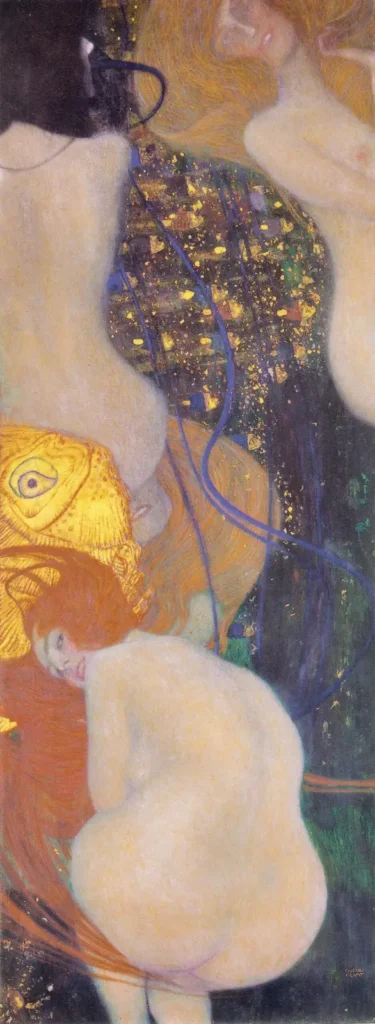
Piacenza
Galleria Ricci Oddi
The Portrait of a Lady, stolen from the gallery in 1997 and found hidden in a cavity in the gallery’s outer wall in 2019.
1 work in our catalogue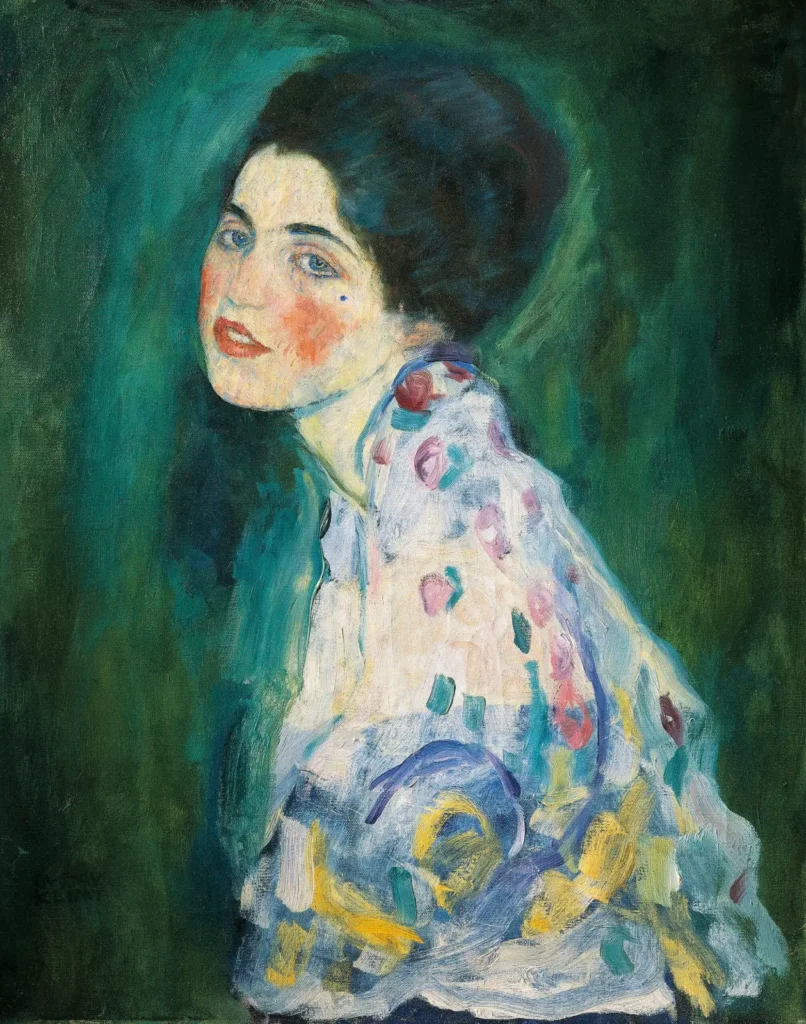
Klimt in Vienna’s buildings
Some of Klimt’s earliest public work can still be seen where he painted it. The staircases of the Burgtheater have ceiling paintings by Klimt, his brother Ernst and Franz Matsch from the late 1880s, and the main staircase of the Kunsthistorisches Museum has Klimt’s paintings between the columns and arches, completed in 1891. The Klimt Villa in Hietzing preserves the site of his last studio, and the Albertina holds a large collection of his drawings. On the Attersee, where he spent his summers, the Klimt Centre tells the story of the landscapes.
In private collections
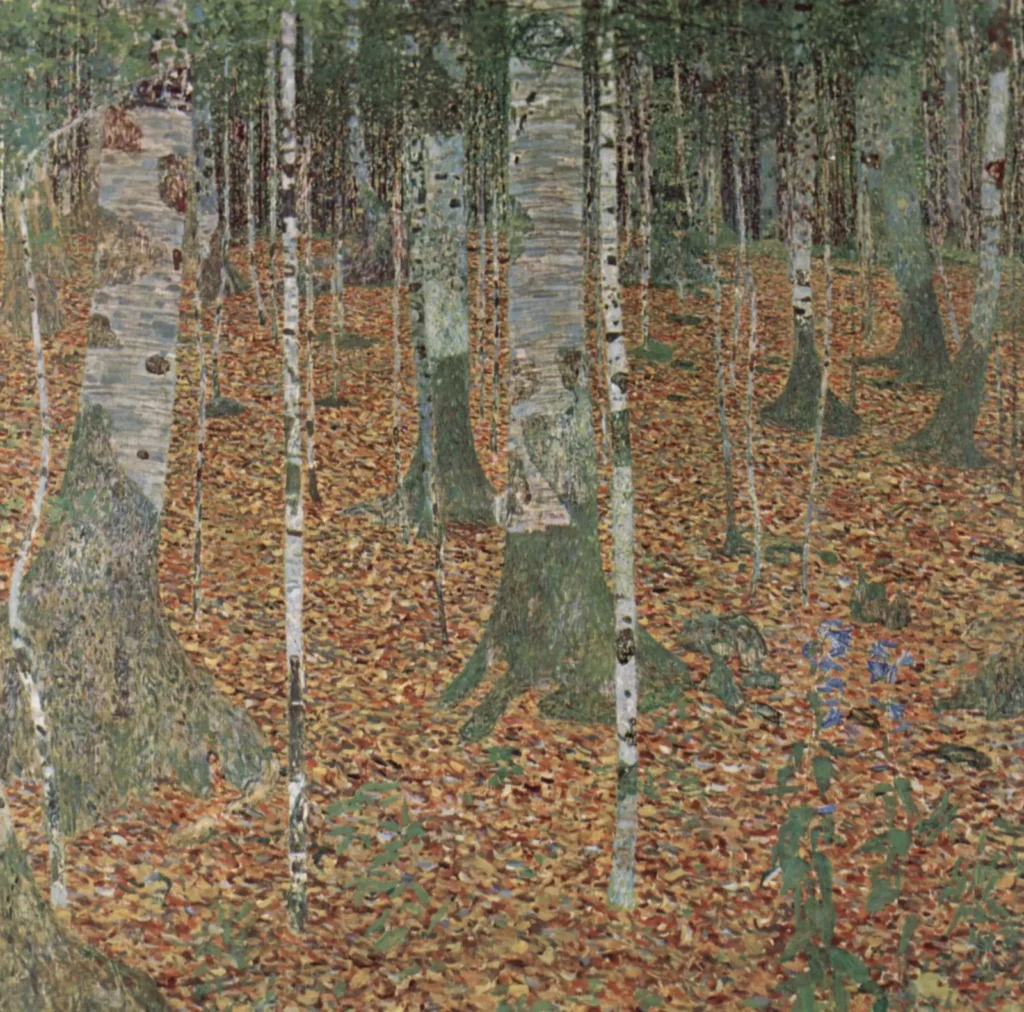
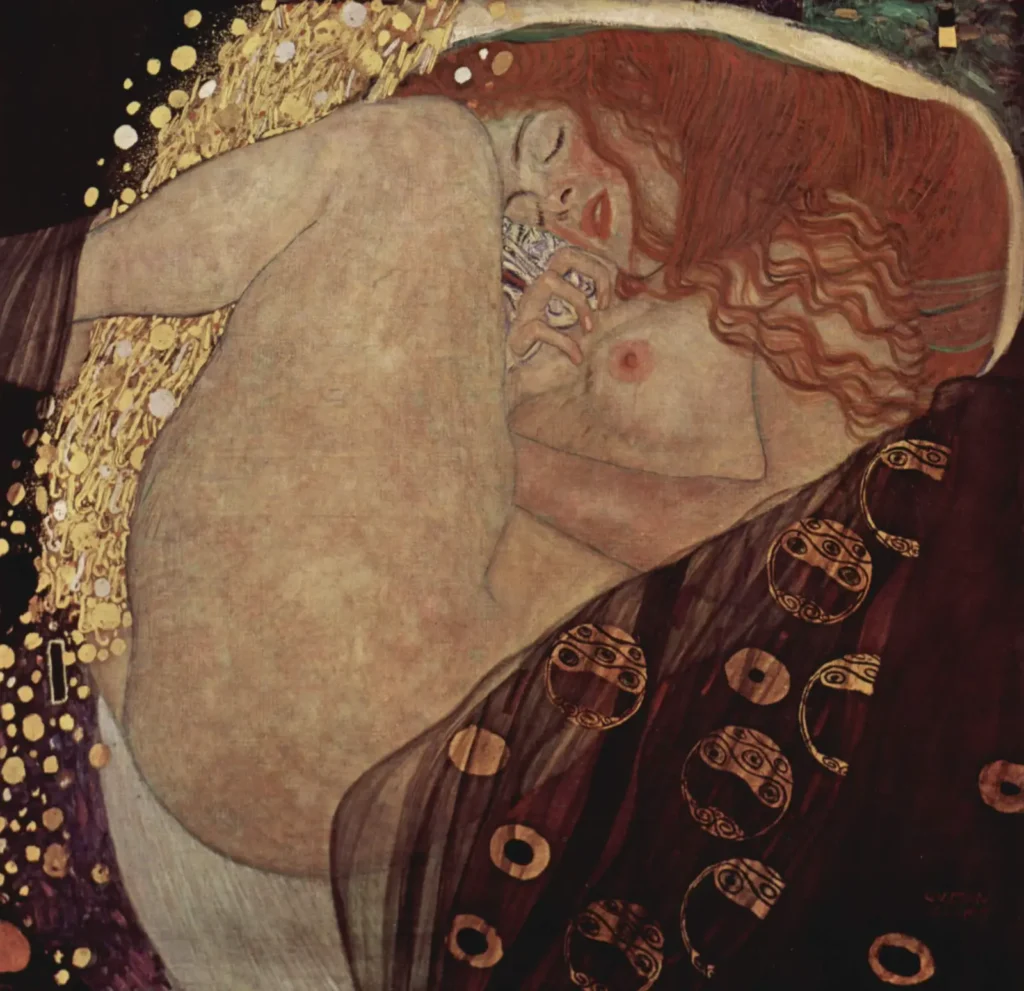
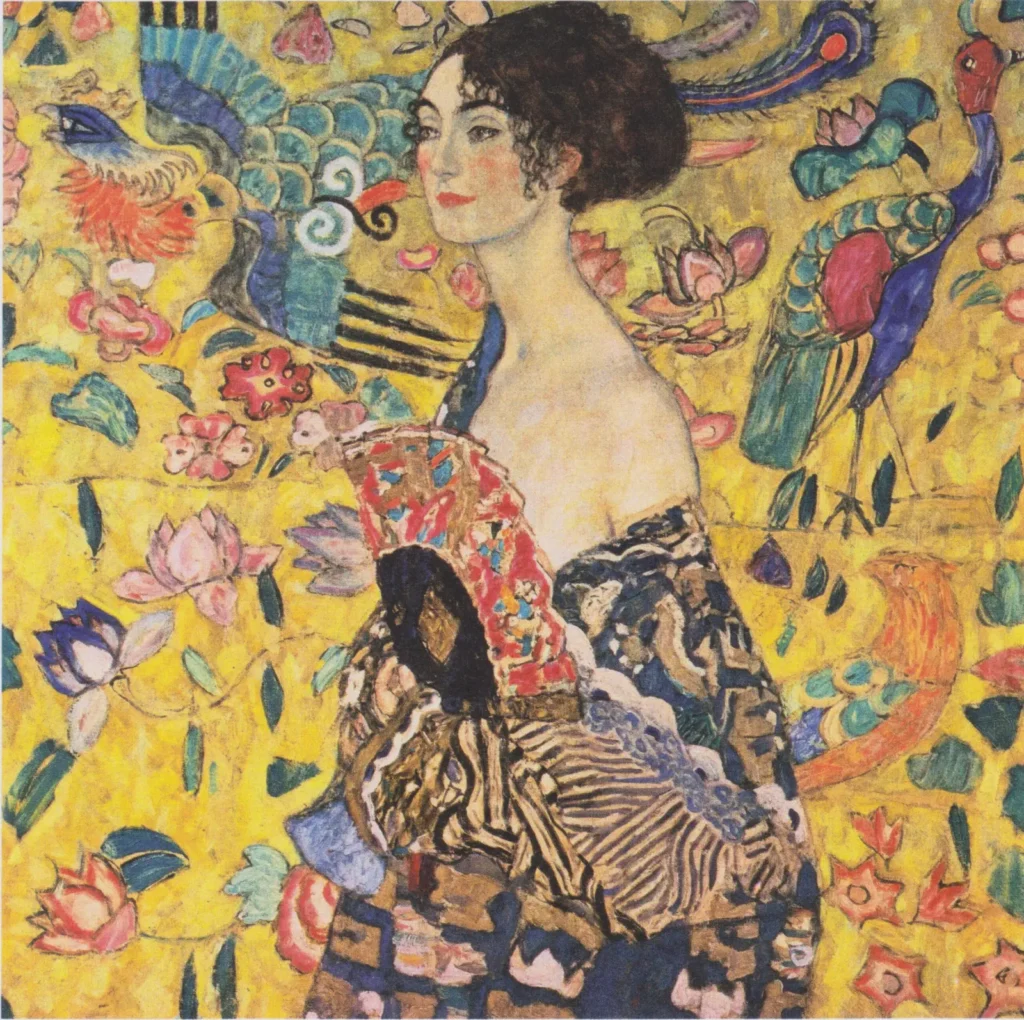
Many of Klimt’s best-known paintings, including Danaë, Lady with a Fan and most of the landscapes, are privately owned and only seen when they are lent to exhibitions or come up for sale.
Destroyed in 1945
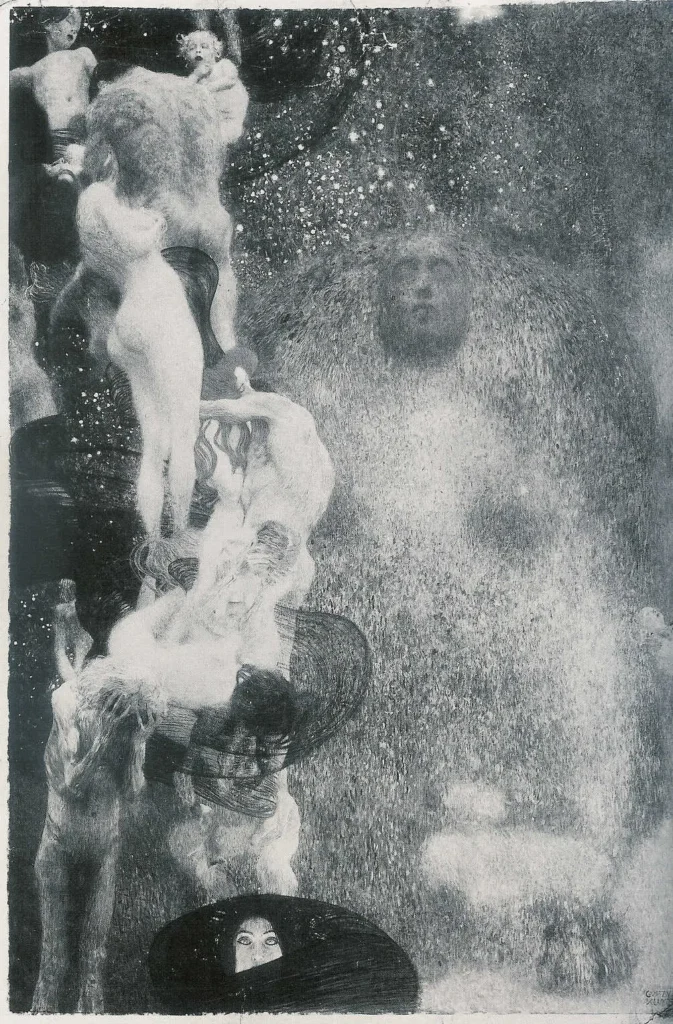
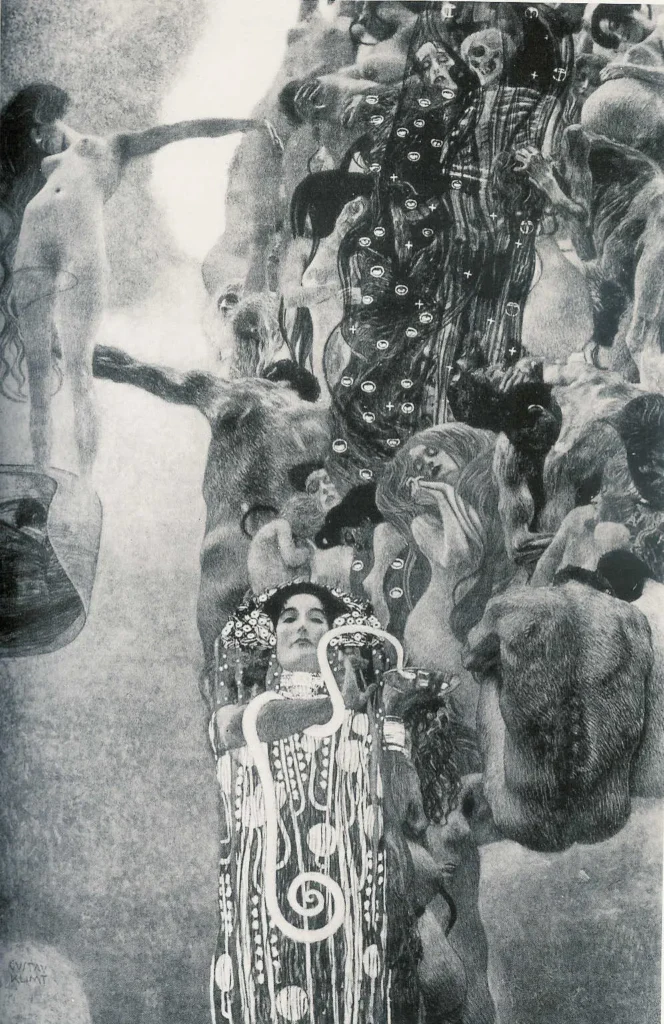
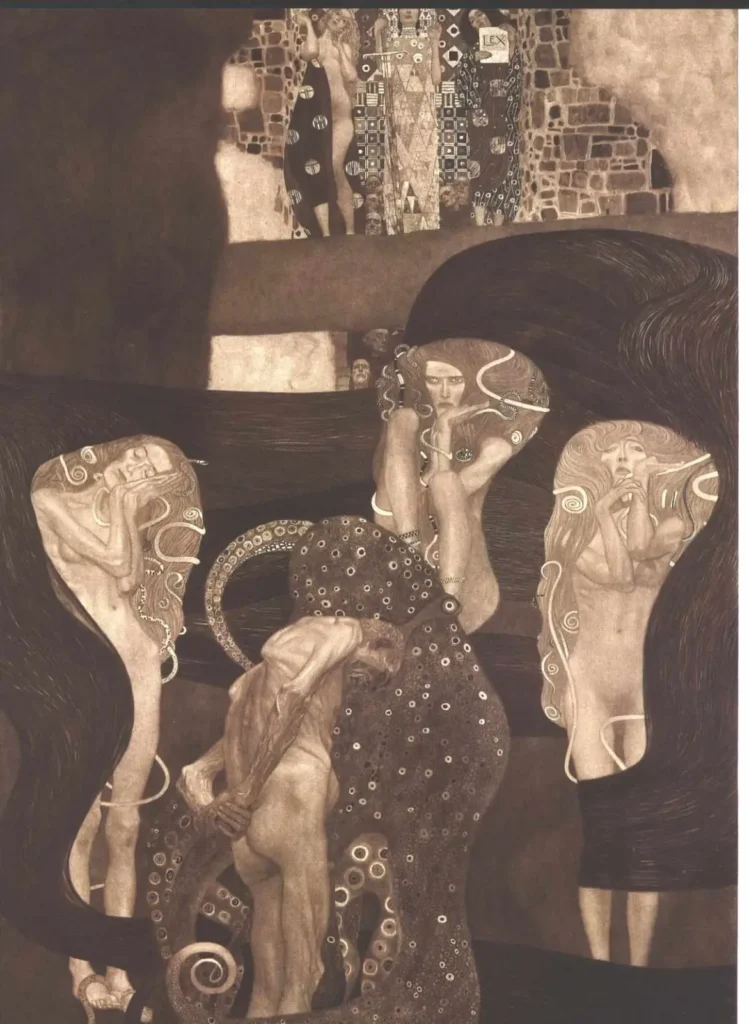
The three faculty paintings commissioned for the University of Vienna were destroyed by fire in May 1945, along with other Klimt works stored at Schloss Immendorf. Only photographs survive.