“Vienna 1900”, or the Viennese fin de siècle, describes the years from about 1890 to the end of the First World War in 1918, when the city produced an astonishing concentration of new art and thought.
ArtThe art revolution
In 1897 Klimt and other young artists left the conservative artists’ association to found the Vienna Secession, which brought international modern art to Vienna. The next generation, Egon Schiele and Oskar Kokoschka, pushed further into Expressionism.
DesignDesign for everyday life
In 1903 Josef Hoffmann and Koloman Moser founded the Wiener Werkstätte to bring beautiful design into every part of life, from houses to spoons. Klimt worked closely with them, above all on the Stoclet Frieze.
BuildingsArchitecture
Otto Wagner, teacher of Hoffmann and Joseph Maria Olbrich, designed Vienna’s city railway stations, the Postal Savings Bank and the Steinhof church. Olbrich built the Secession building, while Adolf Loos attacked decoration altogether in his lecture “Ornament and Crime”.
CultureMusic, psychology and ideas
Gustav Mahler directed the Court Opera and was honoured in the Beethoven Frieze exhibition; Arnold Schoenberg broke the rules of harmony; Sigmund Freud published The Interpretation of Dreams (1899); and writers such as Arthur Schnitzler explored desire and anxiety, themes that run through Klimt’s art too.
GuidesExplore Vienna 1900
- The Wiener Werkstätte
- Josef Hoffmann
- Koloman Moser
- The Kunstschau 1908
- The Vienna Secession
- Klimt’s patrons
1918The end of an era
1918 brought the end of the war and of the Habsburg Empire, and the deaths of Klimt, Schiele, Moser and Otto Wagner within a single year. See the Klimt timeline.
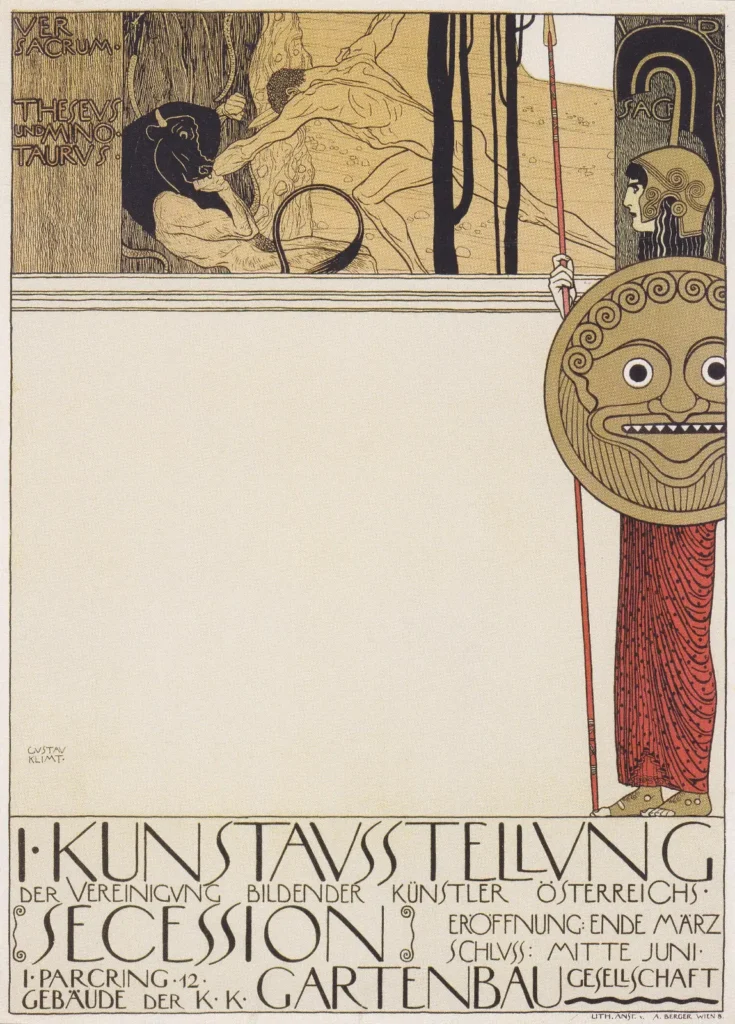 The Vienna Secession
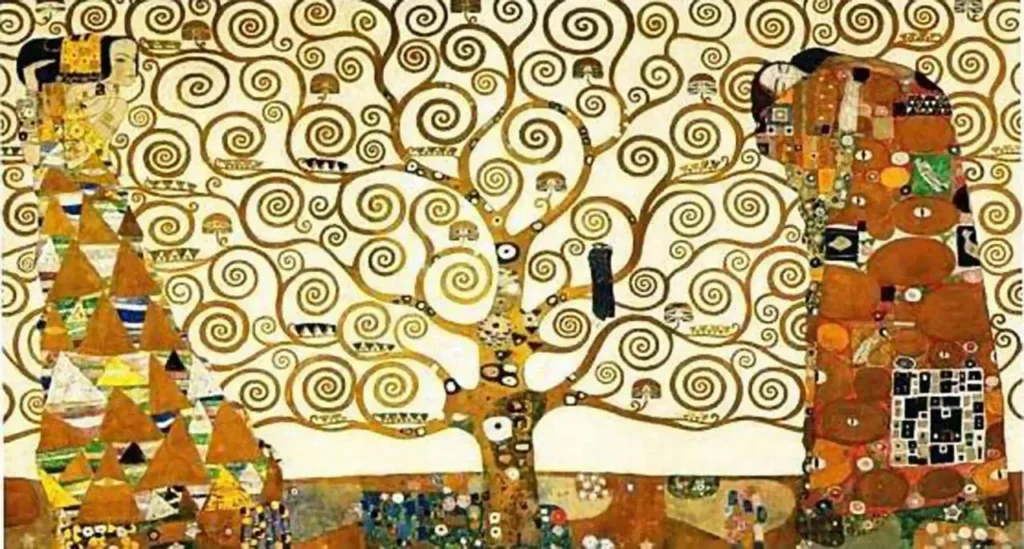 Wiener Werkstätte
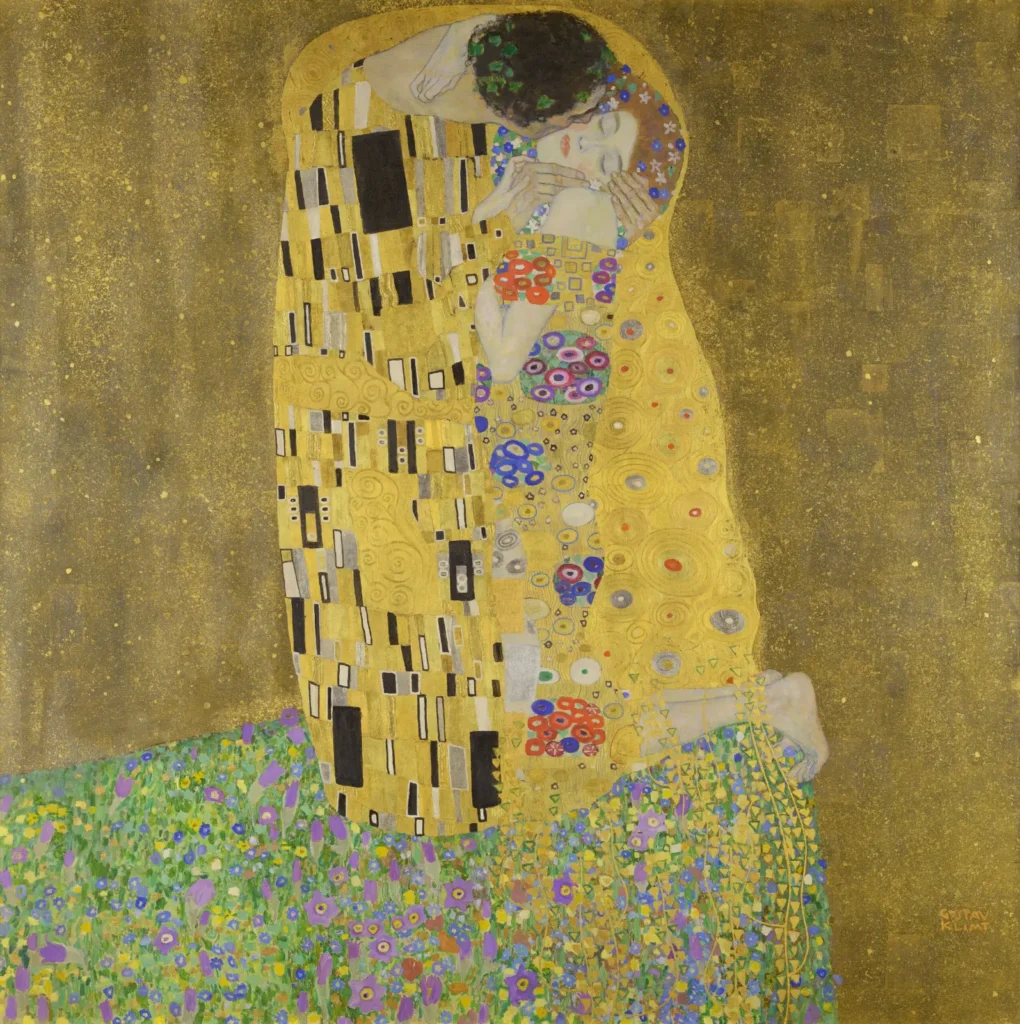 Kunstschau 1908
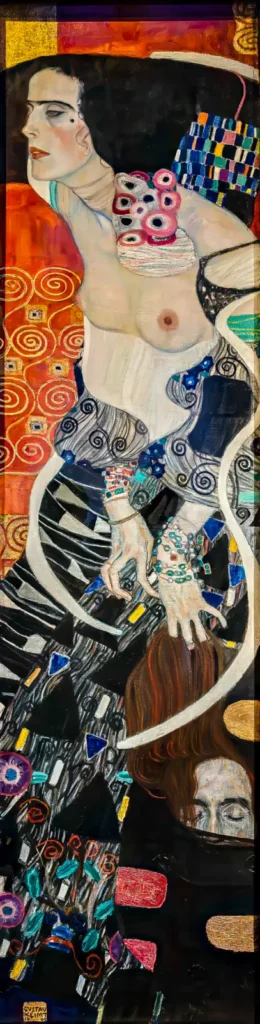 Klimt and Schiele