Vienna 1900 Glossary
Twenty terms you will meet when reading about Klimt, explained in a sentence or two.
- Art Nouveau
- The international decorative style of around 1890–1910, with flowing lines and natural forms. In Austria it was called Secessionstil. Read more
- Collotype
- A high-quality photographic printing process used for early reproductions of Klimt’s paintings. Read more
- Faculty Paintings
- Klimt’s three ceiling paintings for the University of Vienna, Philosophy, Medicine and Jurisprudence, destroyed in 1945. Read more
- Fin de siècle
- French for “end of the century”: the culture of the 1890s and early 1900s. Read more
- Gesamtkunstwerk
- A “total work of art” in which architecture, painting and design form one whole, the ideal of the Wiener Werkstätte. Read more
- Gold leaf
- Gold hammered into ultra-thin sheets, which Klimt laid on his canvases. Read more
- Golden Phase
- Klimt’s period of about 1899–1910, when he used gold in his paintings. Read more
- Jugendstil
- The German name for Art Nouveau, after the Munich magazine Jugend. Read more
- Kunstschau
- The 1908 and 1909 exhibitions organised by the Klimt group, where The Kiss was first shown. Read more
- Künstler-Compagnie
- The “Artists’ Company” of Gustav and Ernst Klimt and Franz Matsch, decorators of theatres and museums. Read more
- Nachlass
- German for “estate”. A “Gustav Klimt Nachlass” stamp marks drawings from his estate. Read more
- Reform dress
- Loose, uncorseted dresses promoted by Emilie Flöge and others around 1900. Read more
- Restitution
- The return of art seized or sold under duress in the Nazi era to the heirs of its owners. Read more
- Ringstrasse
- Vienna’s grand boulevard, lined with public buildings Klimt decorated as a young man. Read more
- Secession
- The Vienna Secession, the artists’ group Klimt led from 1897, and its exhibition building. Read more
- Stoclet Frieze
- Klimt’s mosaic for the Palais Stoclet in Brussels, including the Tree of Life. Read more
- Symbolism
- A movement that used myth, dream and allegory to express ideas and emotions. Read more
- Ver Sacrum
- “Sacred Spring”: the Secession’s magazine, 1898–1903. Read more
- Wiener Moderne
- “Viennese Modernism”: the art, music, literature and ideas of Vienna around 1900. Read more
- Wiener Werkstätte
- The “Vienna Workshop” of designers and craftsmen, 1903–1932. Read more
Keep exploring
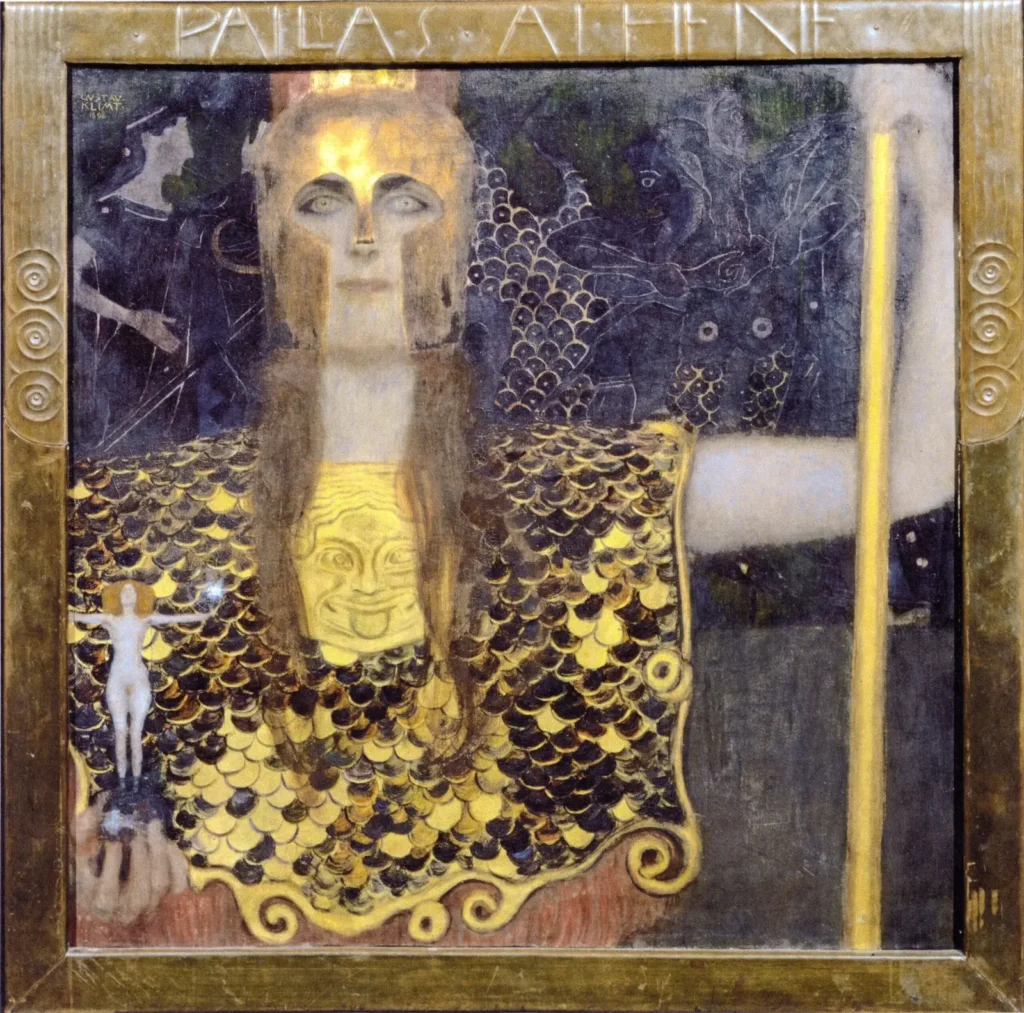 Vienna 1900
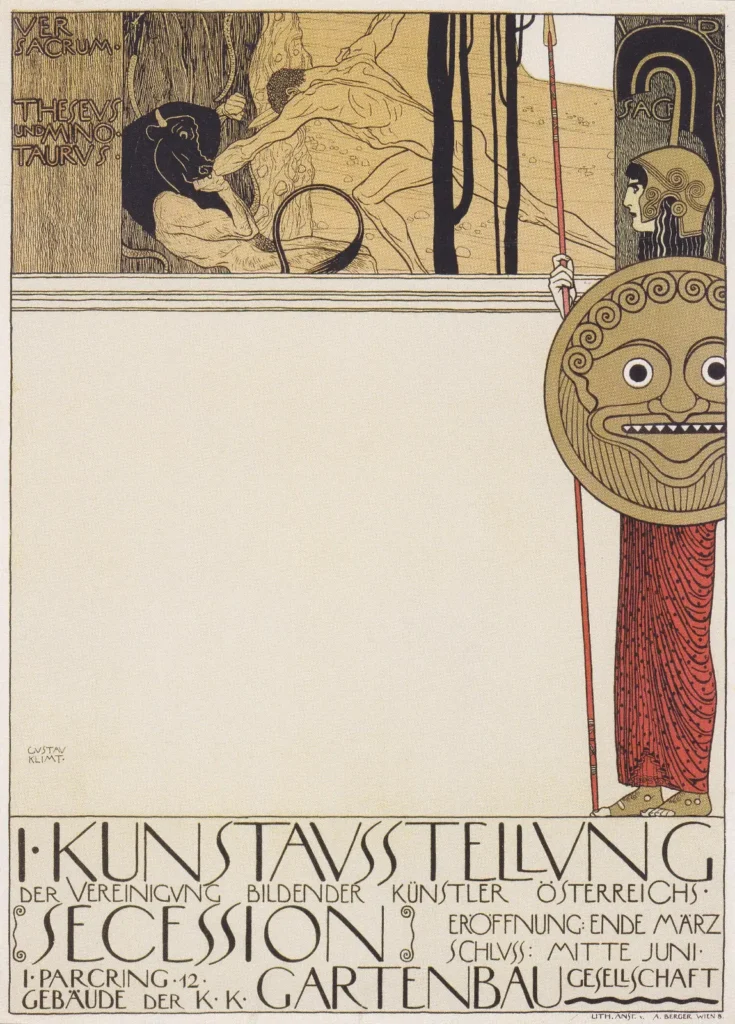 The Vienna Secession
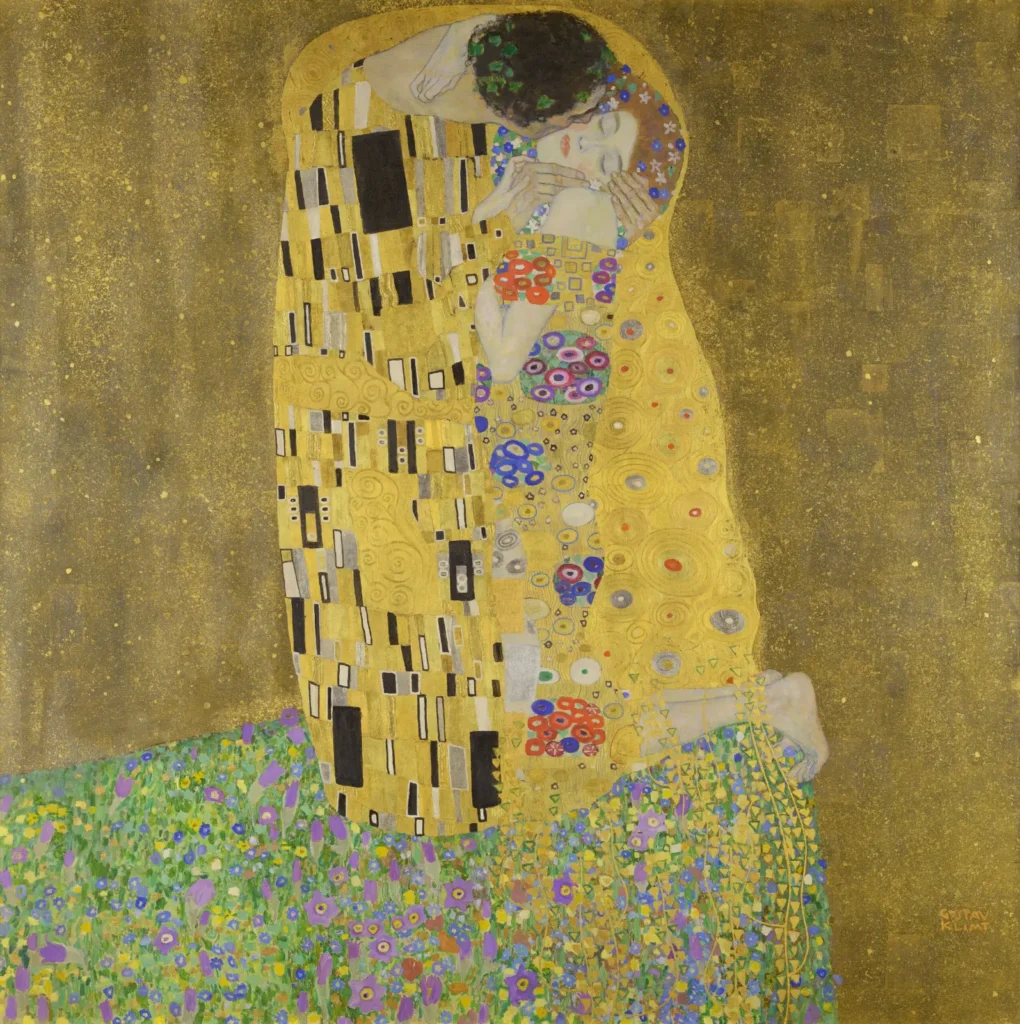 Klimt FAQ
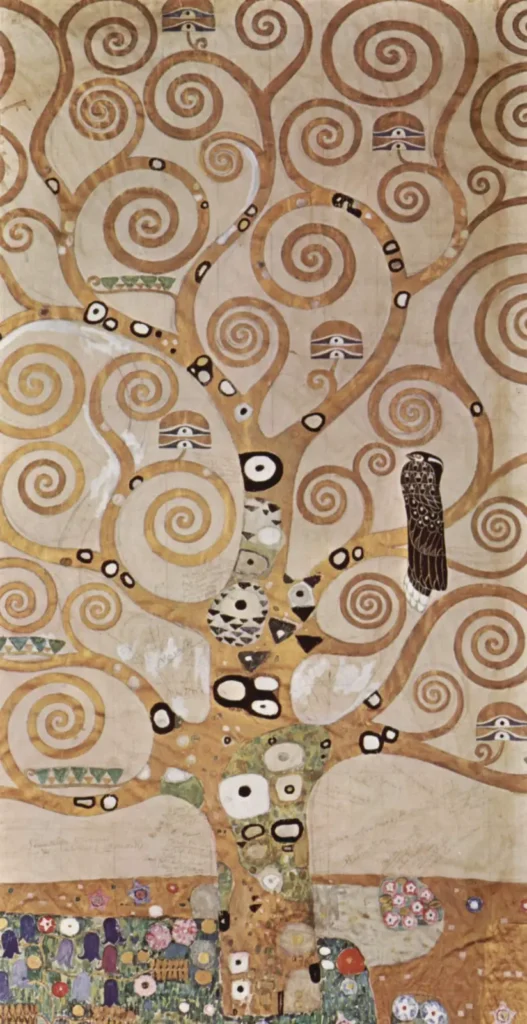 25 Klimt facts