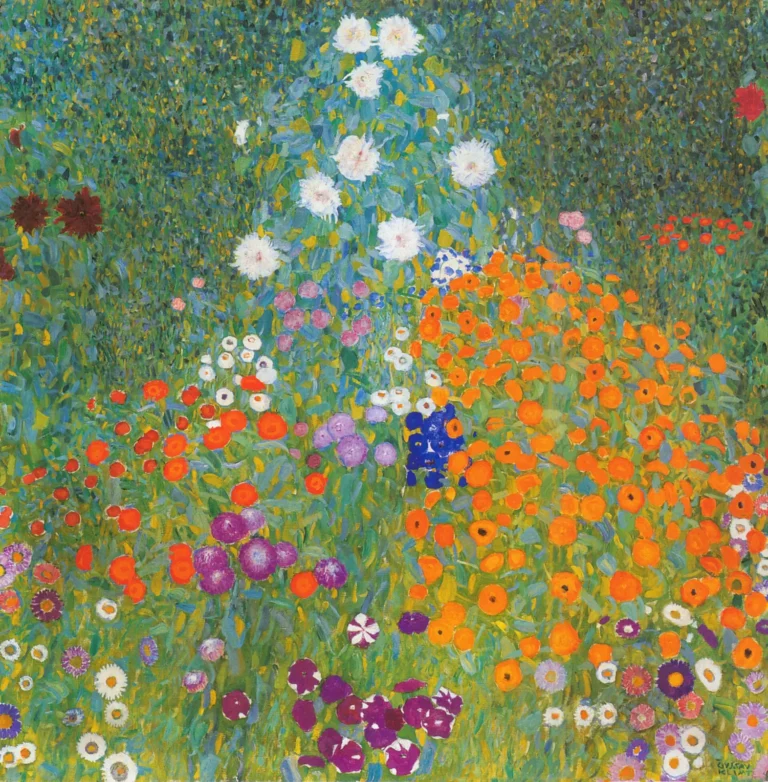
Italian Garden Landscape was painted during Klimt’s only summer on Lake Garda, in 1913, alongside Church in Cassone.
CompositionThe painting
The lower half of the square canvas is a dense flower garden, painted in dabs of red, pink, white and blue. Above it rise the walls and roofs of village houses, flattened into a grid of colour. The two halves, nature and buildings, lock together like a patterned textile.
VisitWhere to see it
The painting is in the Kunsthaus Zug in Switzerland, part of the Kamm collection, which also owns Klimt’s Tannenwald I. See where to see Klimt.
ExploreRelated works
If you are interested in Italian Garden Landscape, these works by Klimt make good companions:
- Garden Landscape with Mountain Top (1916): also in the Kunsthaus Zug, another landscape.
- Apple Tree I (c. 1912): another landscape.
- Avenue to Schloss Kammer Park (1912): another landscape, painted around the same time.
- Church in Cassone (1913): another landscape, painted around the same time.
Browse every known work in our catalogue of Klimt’s paintings, or find out where every Klimt painting is today.
FAQFrequently asked questions
Where is Italian Garden Landscape today?
Italian Garden Landscape is in the Kunsthaus Zug, Switzerland (Stiftung Sammlung Kamm).
When did Gustav Klimt paint Italian Garden Landscape?
Klimt painted Italian Garden Landscape in 1913. It belongs to his late period, from about 1910 until his death in 1918, when colour replaced gold.
How big is Italian Garden Landscape?
It measures 110 × 110 cm, or about 43 × 43 inches. The square format was a favourite of Klimt’s, used for almost all his landscapes and several portraits.
What materials did Klimt use for Italian Garden Landscape?
It is oil on canvas.
Sources and further reading
- Tobias G. Natter (ed.), Gustav Klimt: The Complete Paintings, Taschen
- Frank Whitford, Klimt, Thames & Hudson
- Klimt Foundation, Gustav Klimt Database
Image: Gustav Klimt, Italian Garden Landscape, public domain, via Wikimedia Commons.
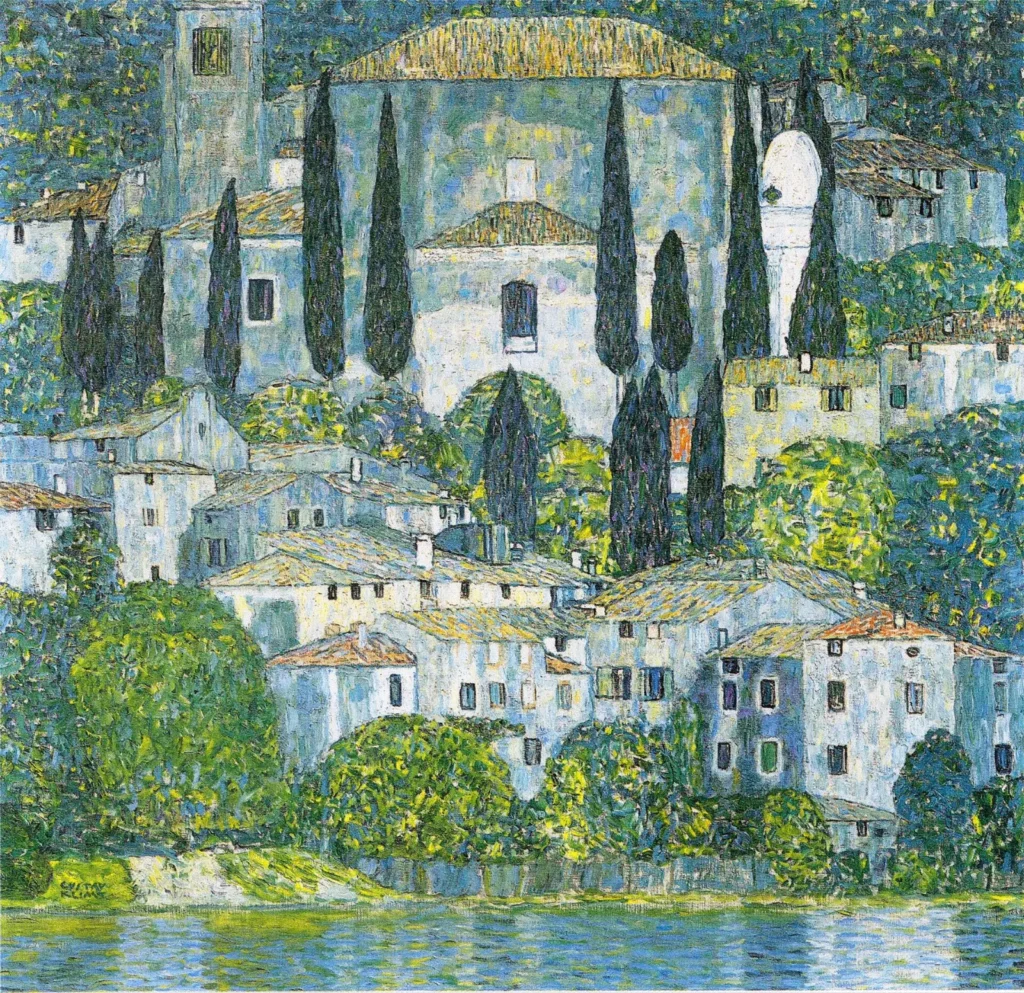 Church in Cassone
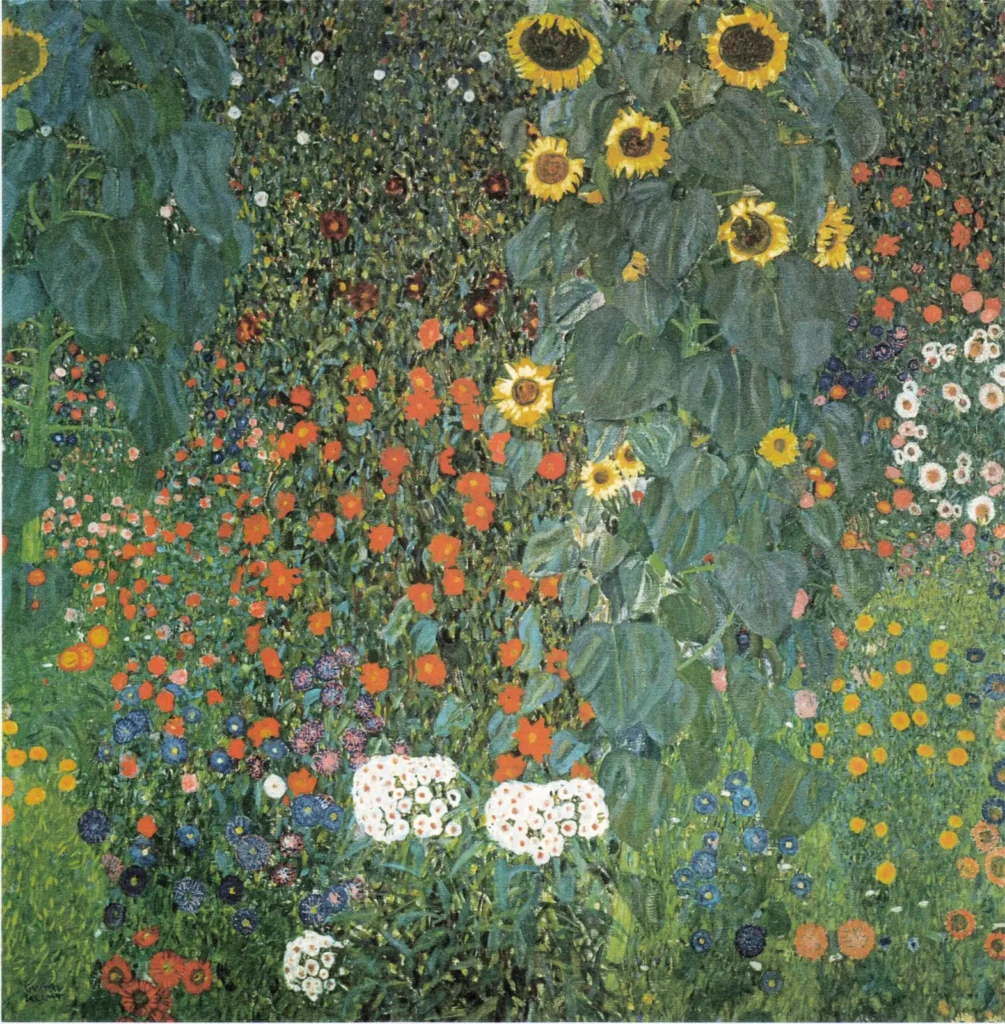 Farm Garden with Sunflowers
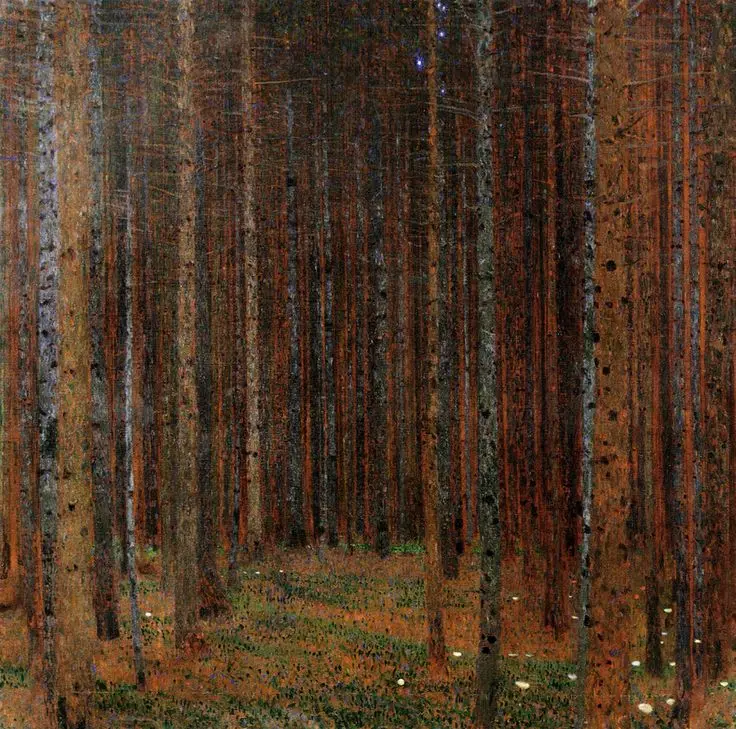 Tannenwald
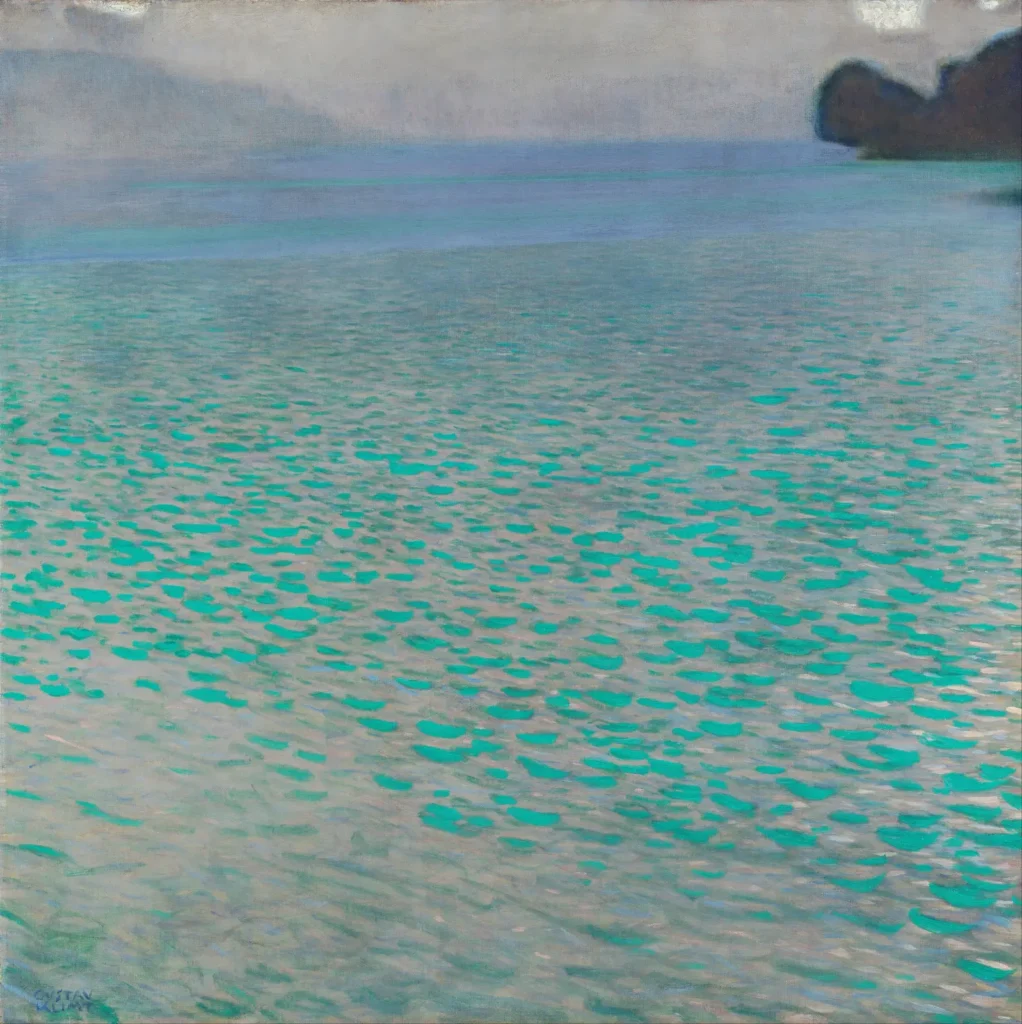 Klimt’s landscapes