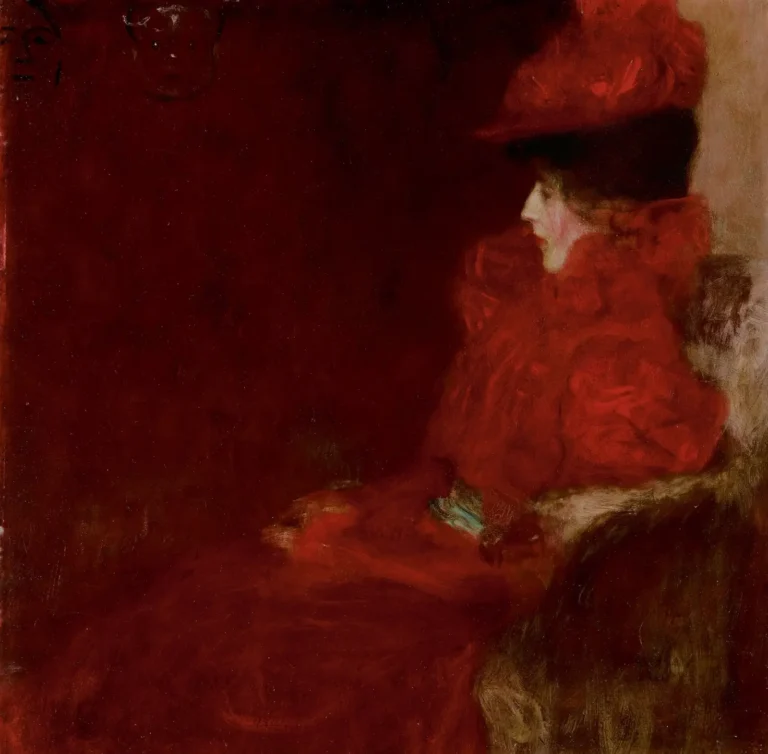
Klimt’s Woman in an Armchair (1897–98): a woman in red in a red interior, painted in the square format he was starting to use. The painting and its context.
-
-
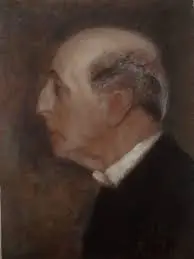
Klimt’s Portrait of an Old Man in Profile (c. 1896), possibly Count Traun, Leopold Museum: an unidentified sitter in sharp profile, kept by Klimt all his life.
-
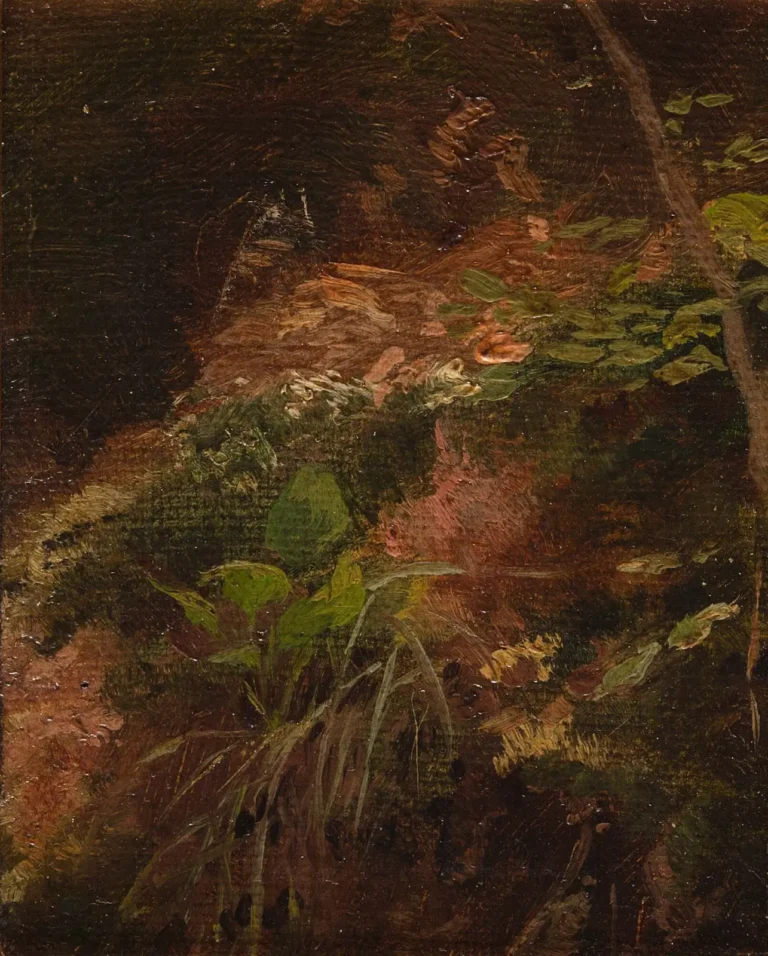
Klimt’s Forest Floor (1881–82), Leopold Museum: a tiny student study of ferns and leaves, and the earliest known landscape by the future painter of the Attersee.
-
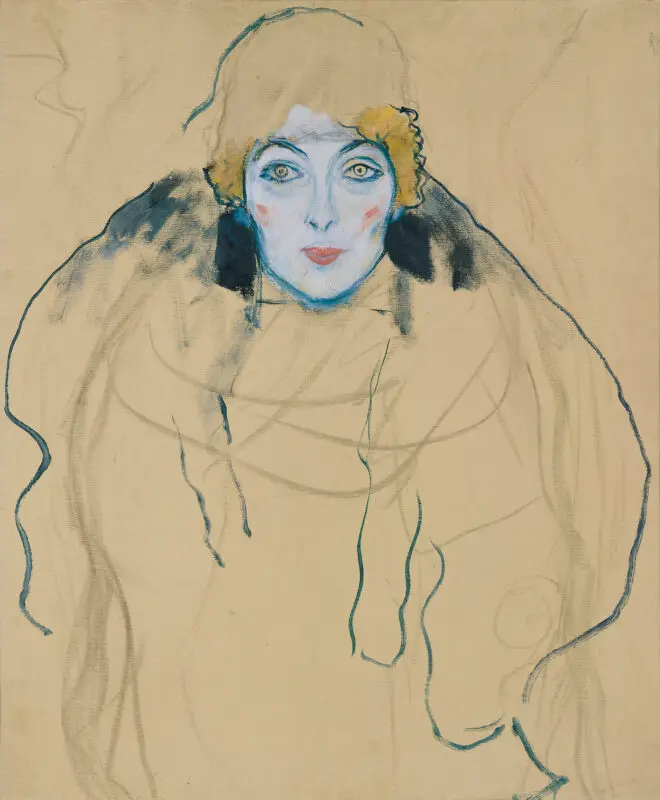
Klimt’s unfinished Head of a Woman (1917), Lentos Art Museum, Linz: a face and hat sketched on bare canvas, revealing his late working method.
-
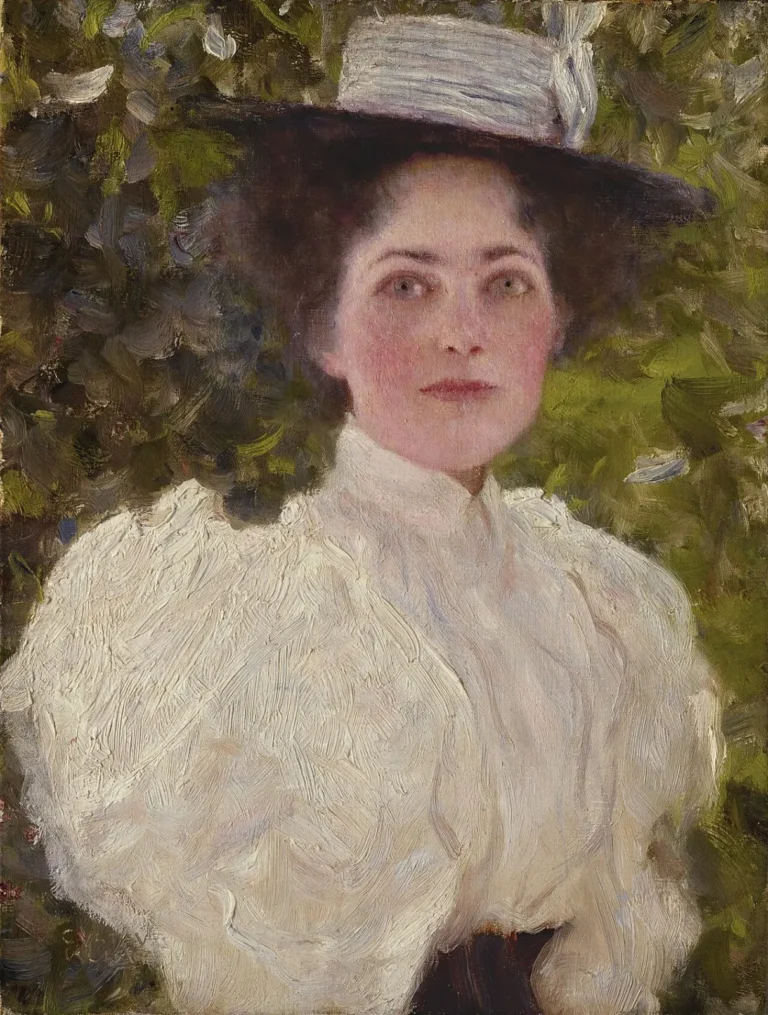
Klimt’s Girl in the Foliage (1896): a young woman in white against green leaves. Sold at Sotheby’s in 2017 for £4.3m to the Klimt Foundation, Vienna.
-
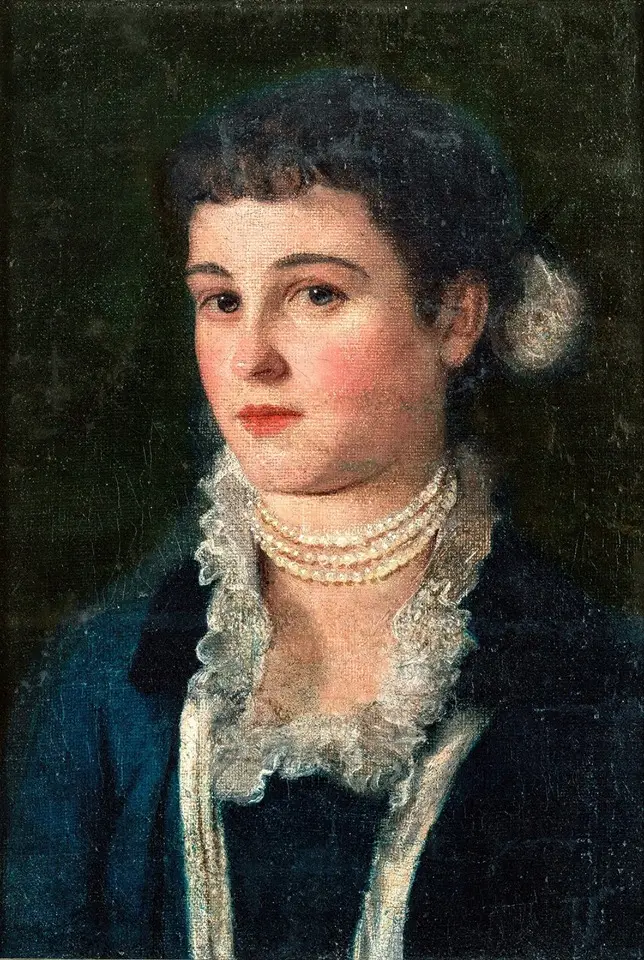
Klimt’s portrait of his sister Klara Klimt (c. 1880), Leopold Museum: one of his earliest surviving paintings, made while he was still an art student.
-
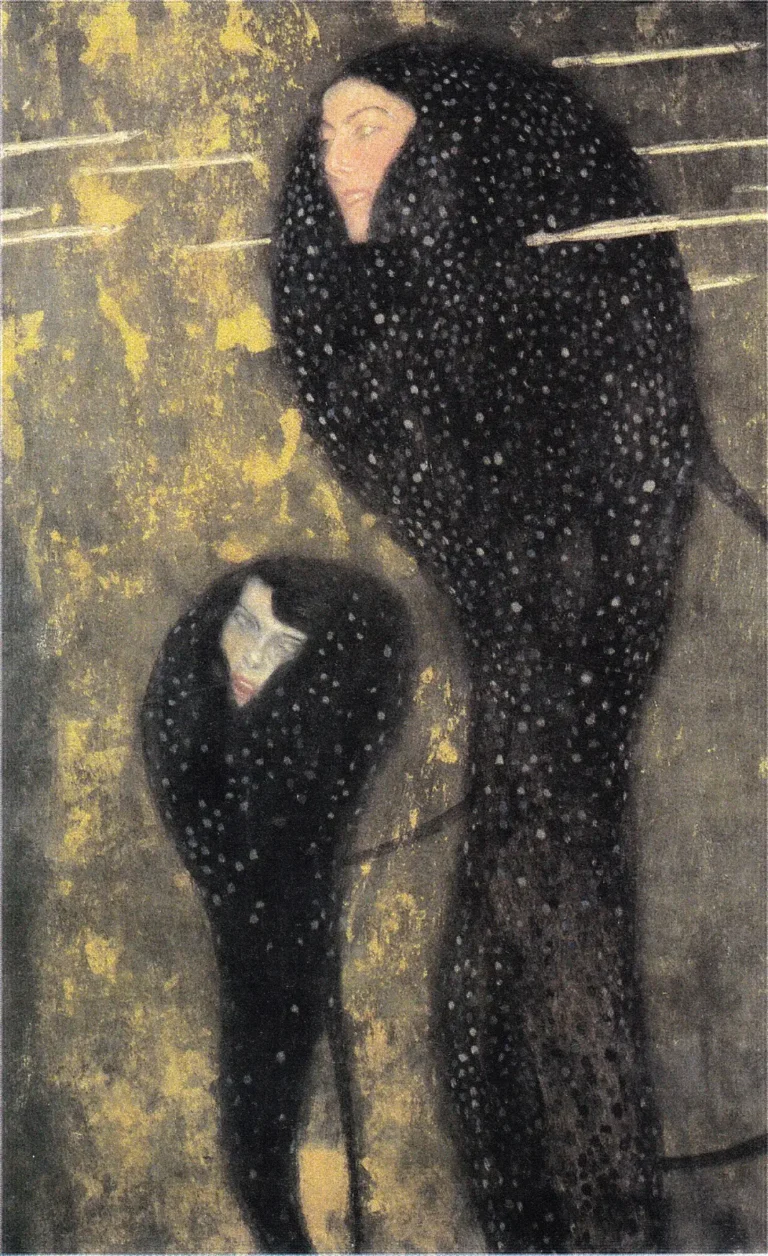
Klimt’s Water Nymphs or Silverfish (c. 1899): two pale faces trailing long dark bodies of hair through glittering water. Meaning and where it is.
-
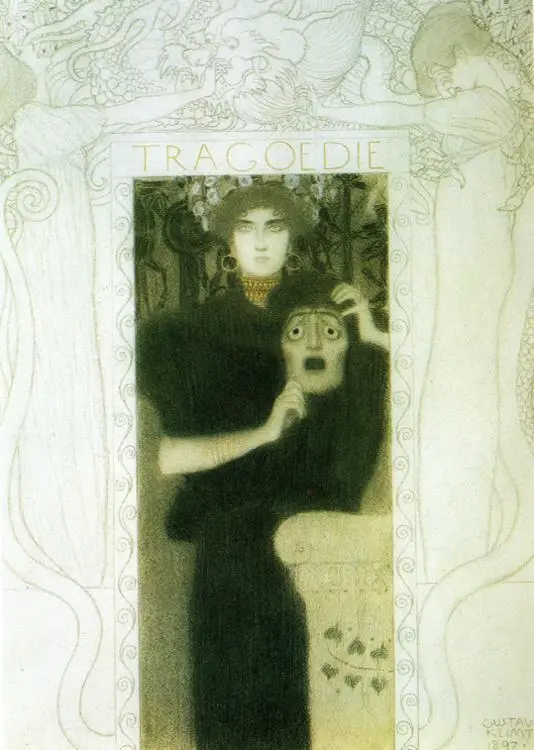
Klimt’s Tragedy (1897), Wien Museum: an allegory of tragic drama with a mask and gold border, made for Gerlach’s Allegorien and a turning point in his style.
-
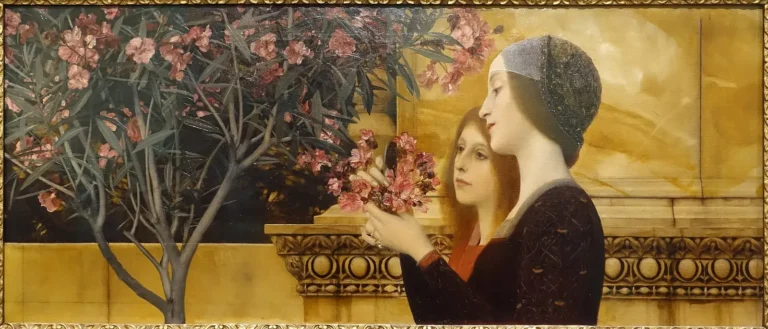
Klimt’s Two Girls with an Oleander (c. 1890–92), Wadsworth Atheneum, Hartford: an early decorative painting with classical figures and pink oleander.
-
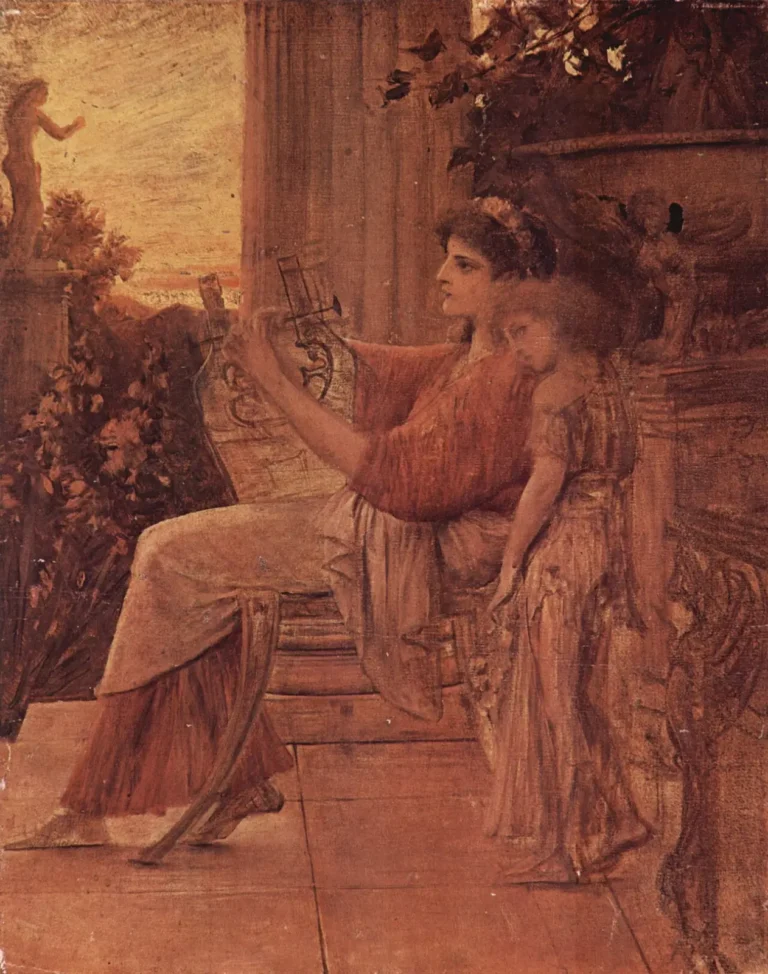
Klimt’s Sappho (c. 1888), Wien Museum: the ancient Greek poet in a reverie, painted in the warm historicist style of his Künstler-Compagnie years.