Danaë by Gustav Klimt: Myth, Meaning and History
Gustav Klimt’s Danaë (1907–08): the Greek myth of Zeus and the golden rain, how Klimt painted it, what it means and who owns it today.
The paintings of Gustav Klimt, from the early allegories to the Golden Phase and the late portraits.
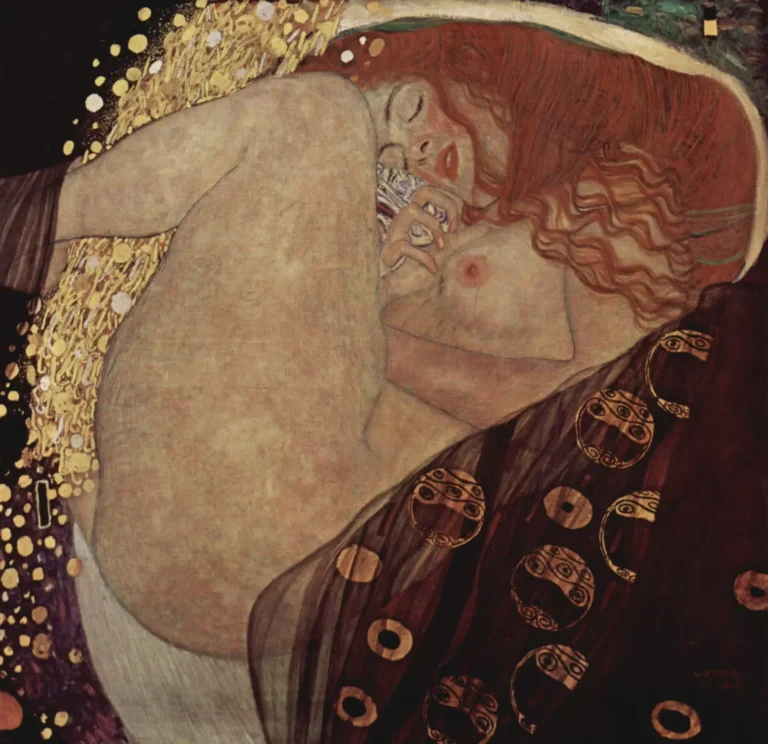
Gustav Klimt’s Danaë (1907–08): the Greek myth of Zeus and the golden rain, how Klimt painted it, what it means and who owns it today.
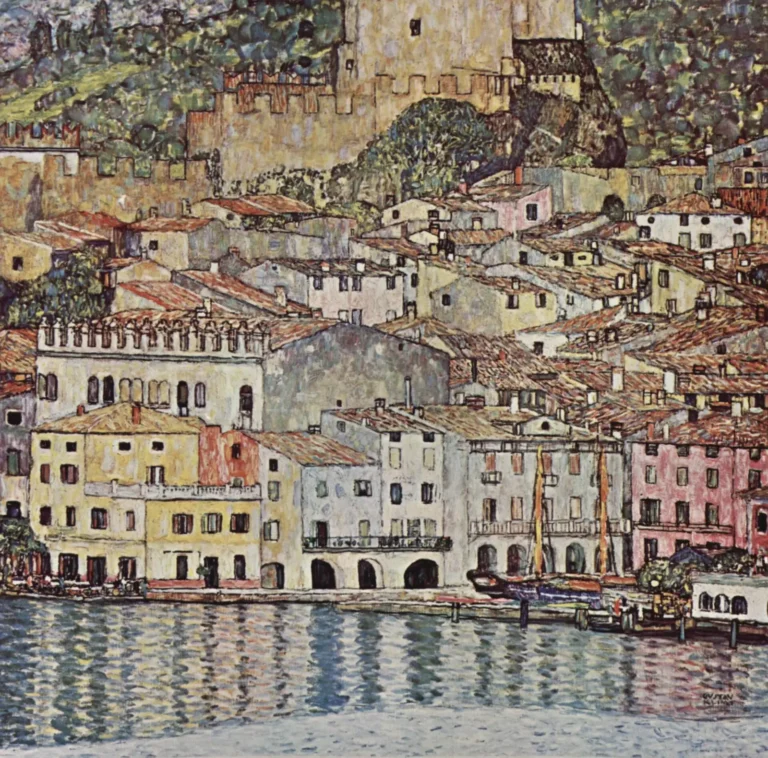
Gustav Klimt’s Malcesine on Lake Garda (1913): the Italian lakeside town he painted on holiday, and why the painting has been missing since 1945.
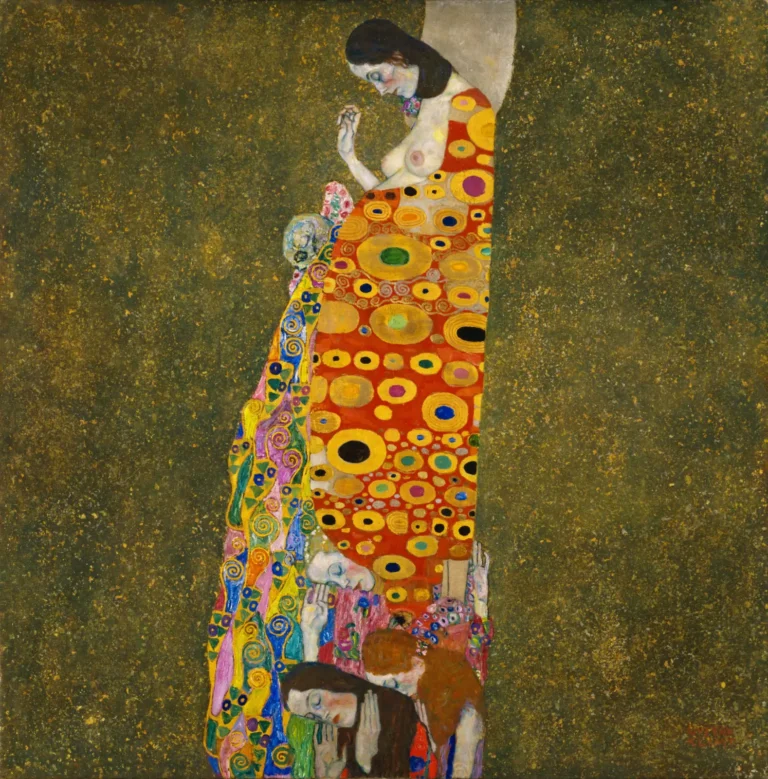
Gustav Klimt’s Hope II (1907–08): the pregnant woman, the skull and the mourning figures, its relation to the scandalous Hope I, and how to see it at MoMA in New York.
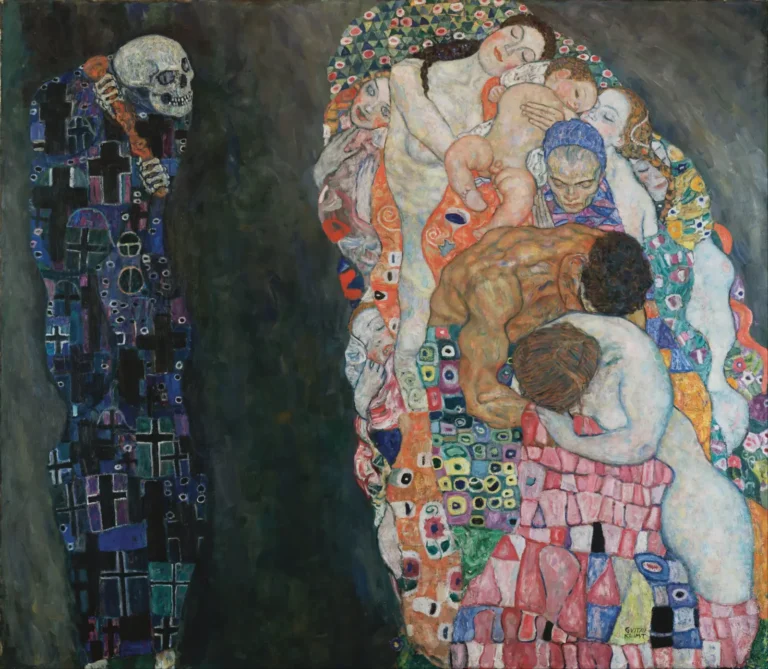
Gustav Klimt’s Death and Life: the allegory he began in 1908, won first prize with in Rome in 1911 and repainted in 1915, what it means, and where to see it in Vienna.
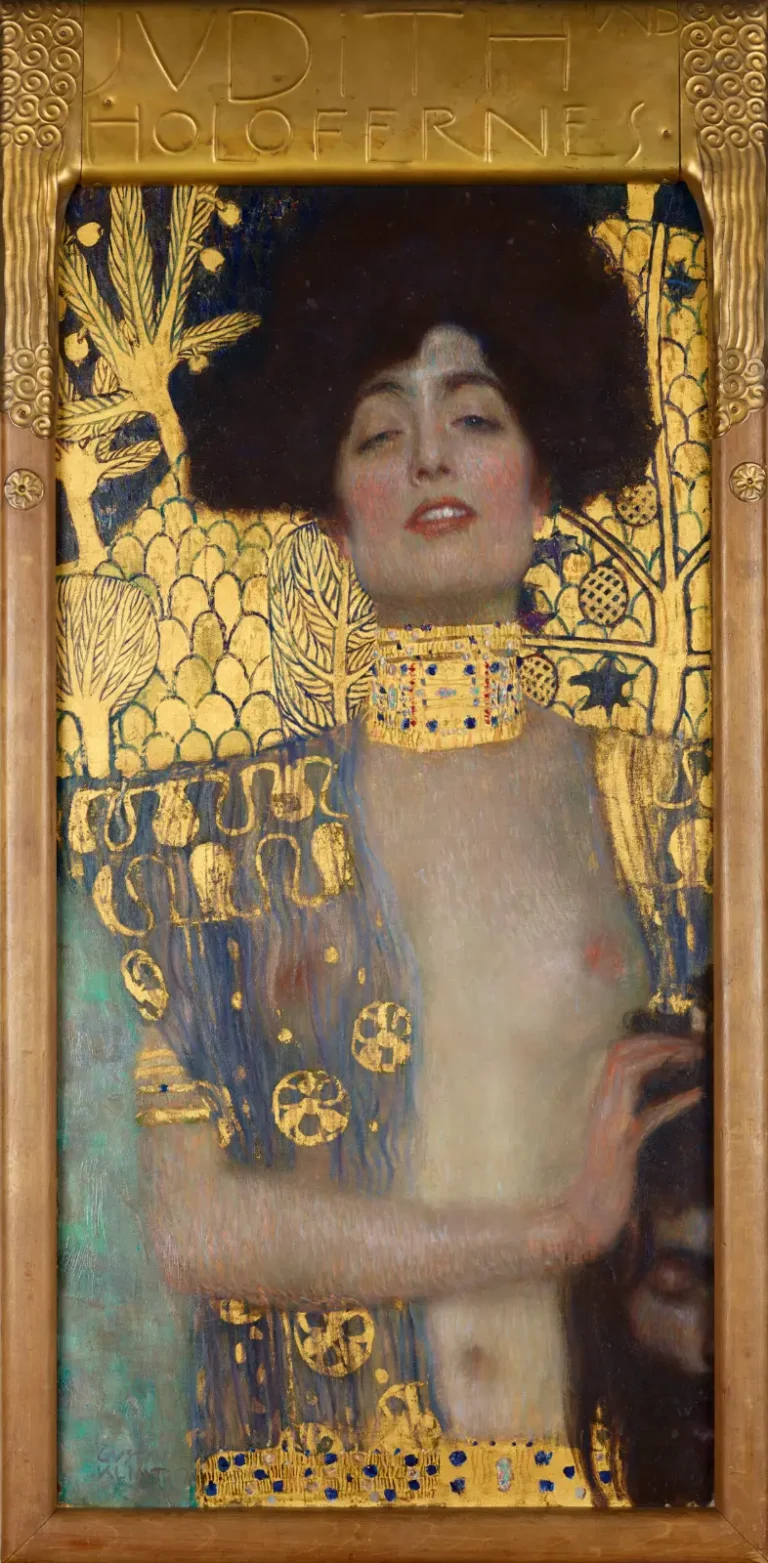
Gustav Klimt’s Judith I (1901): the biblical heroine as femme fatale, the gold frame his brother made for it, the link to Adele Bloch-Bauer, and how to see it at the Belvedere.
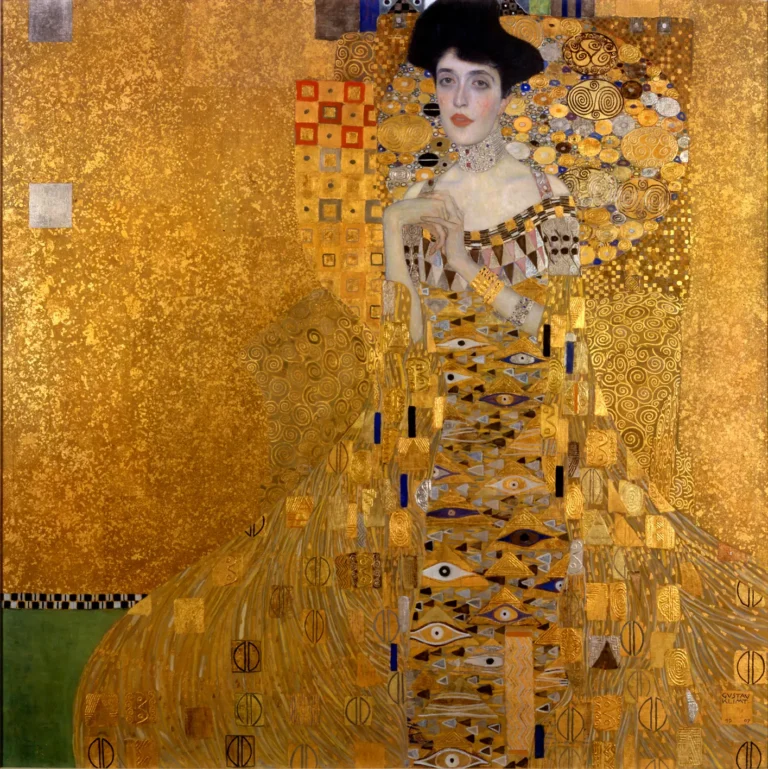
Klimt’s Portrait of Adele Bloch-Bauer I, the “Woman in Gold”: who Adele was, the symbols hidden in the gold, its seizure by the Nazis, and how it came to the Neue Galerie in New York.
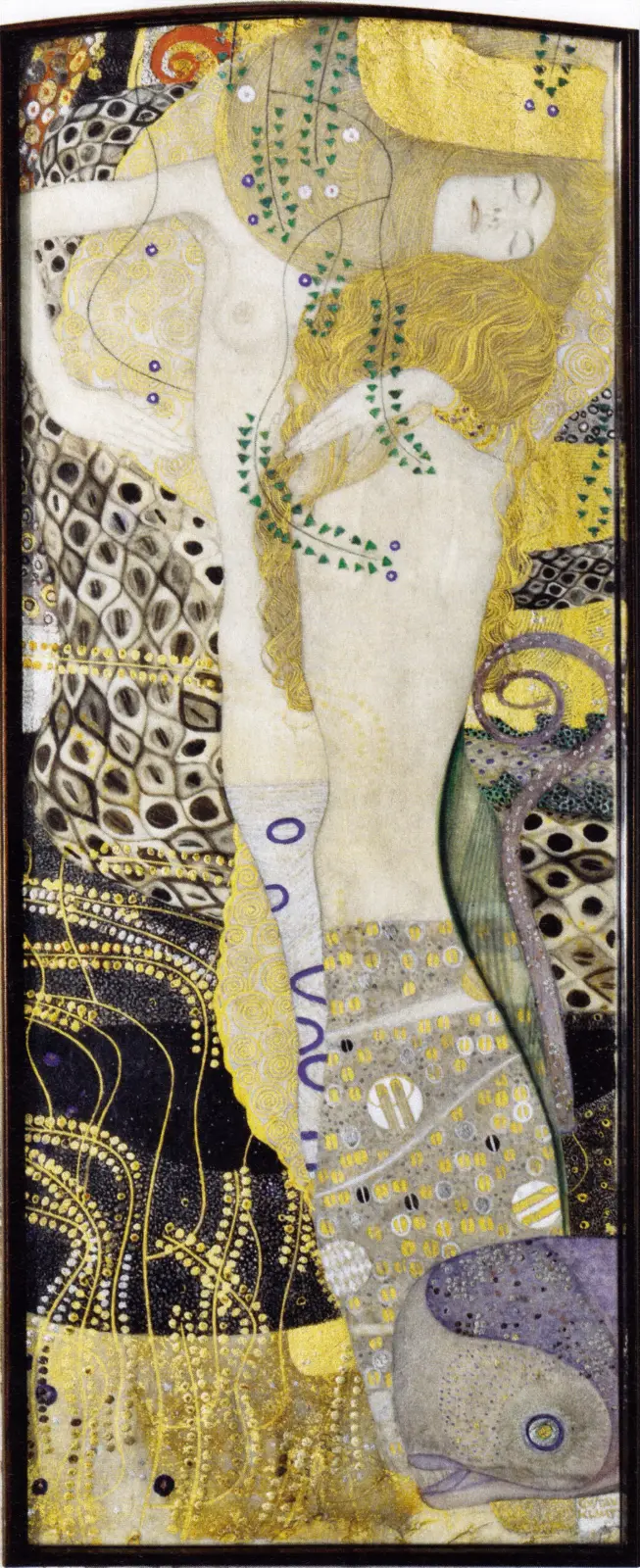
Gustav Klimt’s Water Serpents I and II (1904–07): his dreamlike images of women floating like water nymphs, what they mean, and where to see them.
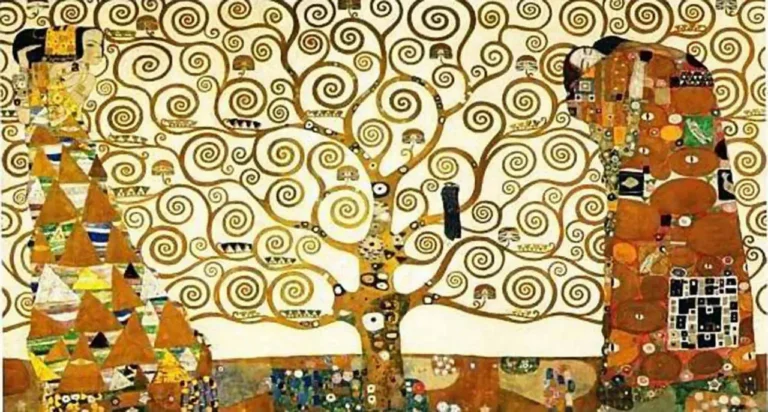
Gustav Klimt’s Tree of Life, the centrepiece of the Stoclet Frieze in Brussels: what its spirals, birds and figures mean, how the mosaic was made, and where to see it.
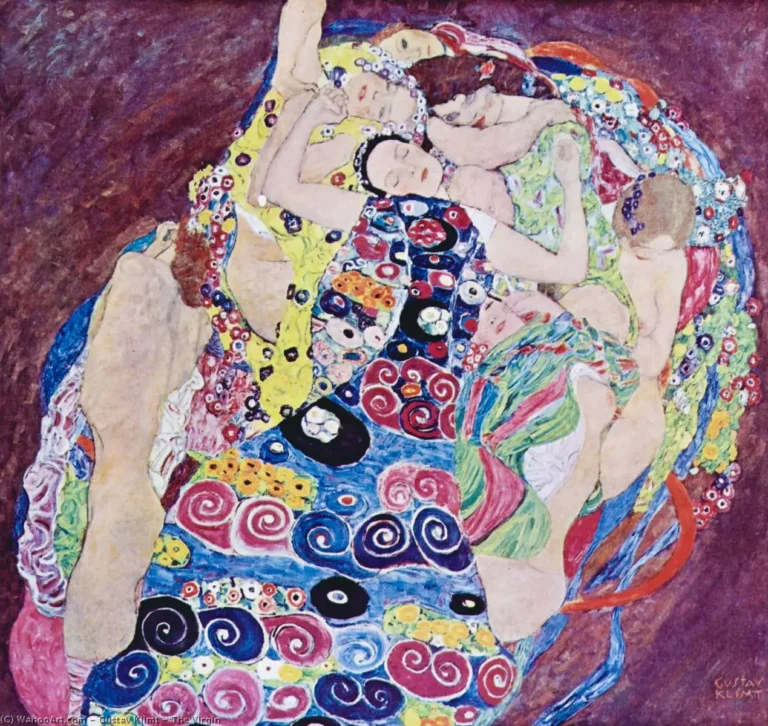
Gustav Klimt’s The Maiden (The Virgin, 1913): the sleeping figures in a cloud of colour, what the painting means, and how to see it at the National Gallery in Prague.
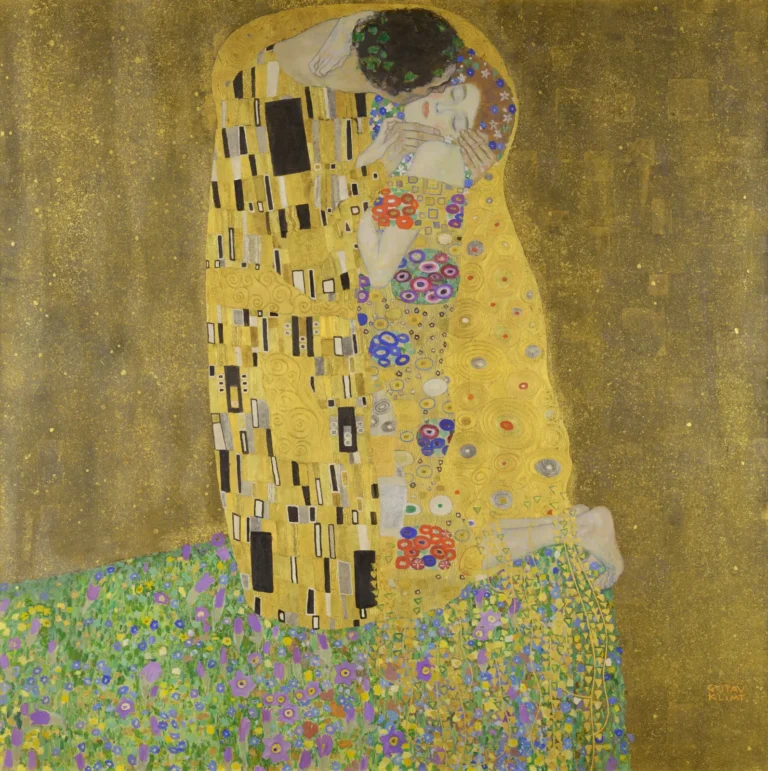
Everything about Gustav Klimt’s The Kiss: when and how it was painted, the meaning of its symbols and gold leaf, who the lovers might be, and how to see it at the Belvedere in Vienna.