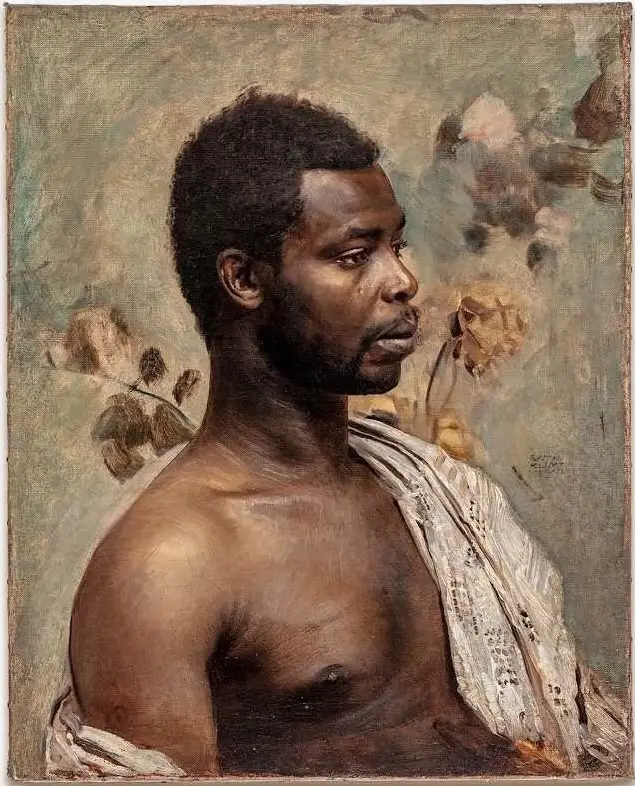
Klimt’s portrait of Prince William Nii Nortey Dowuona (1897), lost after 1938, resurfaced in 2023, was offered at TEFAF for €15m and then seized in Vienna.
-
-
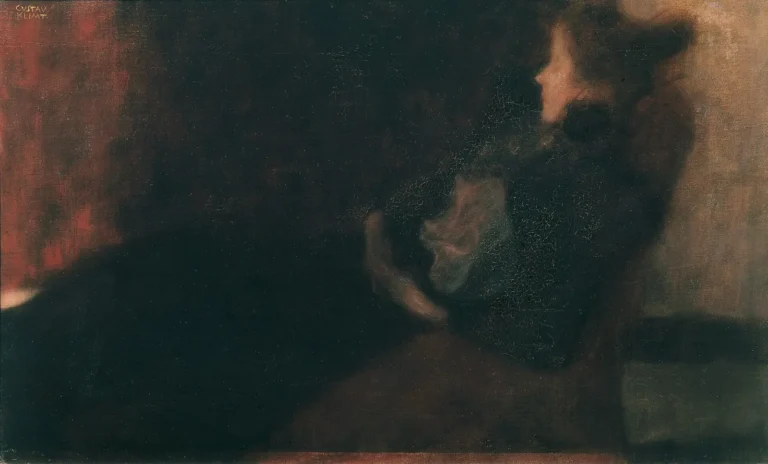
Klimt’s Lady by the Fireplace (1897–98) in the Belvedere: a dark, atmospheric interior with a seated woman, painted as Klimt moved towards Symbolism.
-
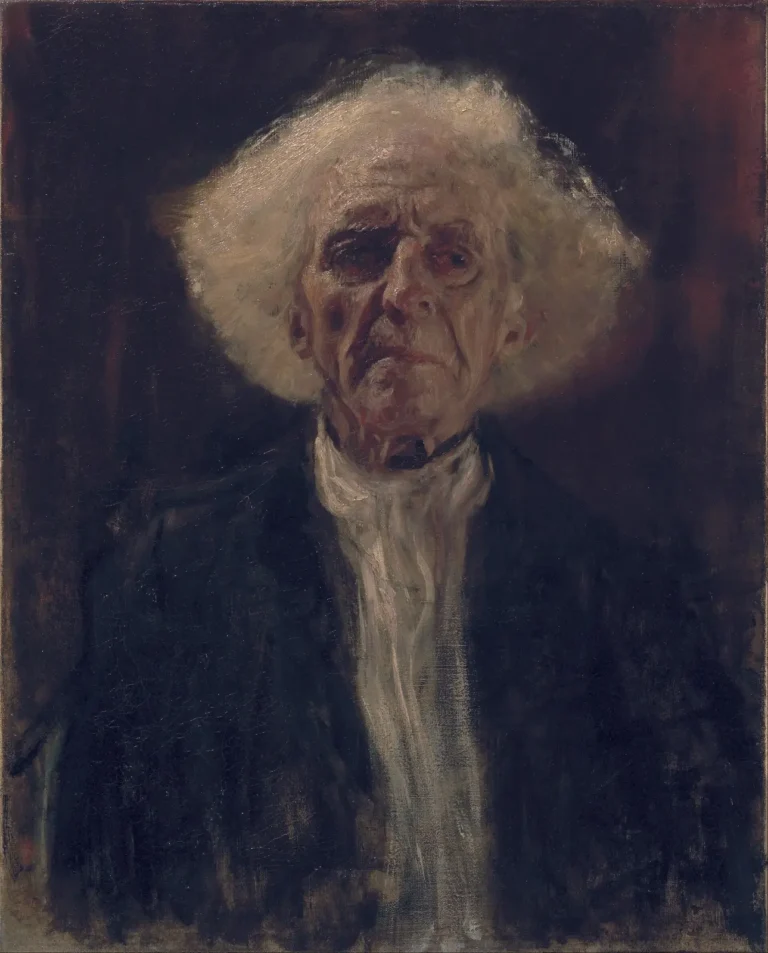
Klimt’s The Blind Man (c. 1896), in the Leopold Museum, Vienna: a striking study of an old model, shown at the first Vienna Secession exhibition in 1898.
-
Klimt’s Lady with a Lilac Scarf (c. 1895) stayed in one family for almost a century before it was bequeathed to the Kunsthistorisches Museum in 2013.
-
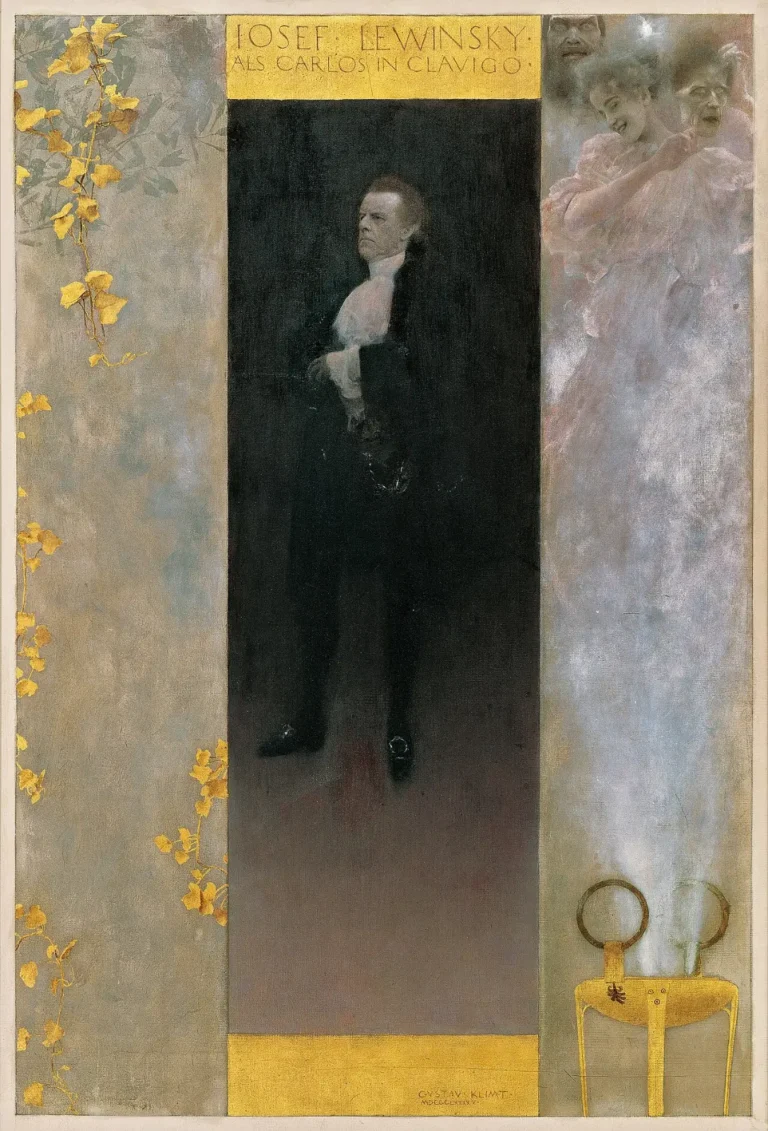
Klimt’s Josef Lewinsky as Carlos in Clavigo (1895), Belvedere: a court actor in costume, framed by ornament, made for a book on Viennese theatre.
-
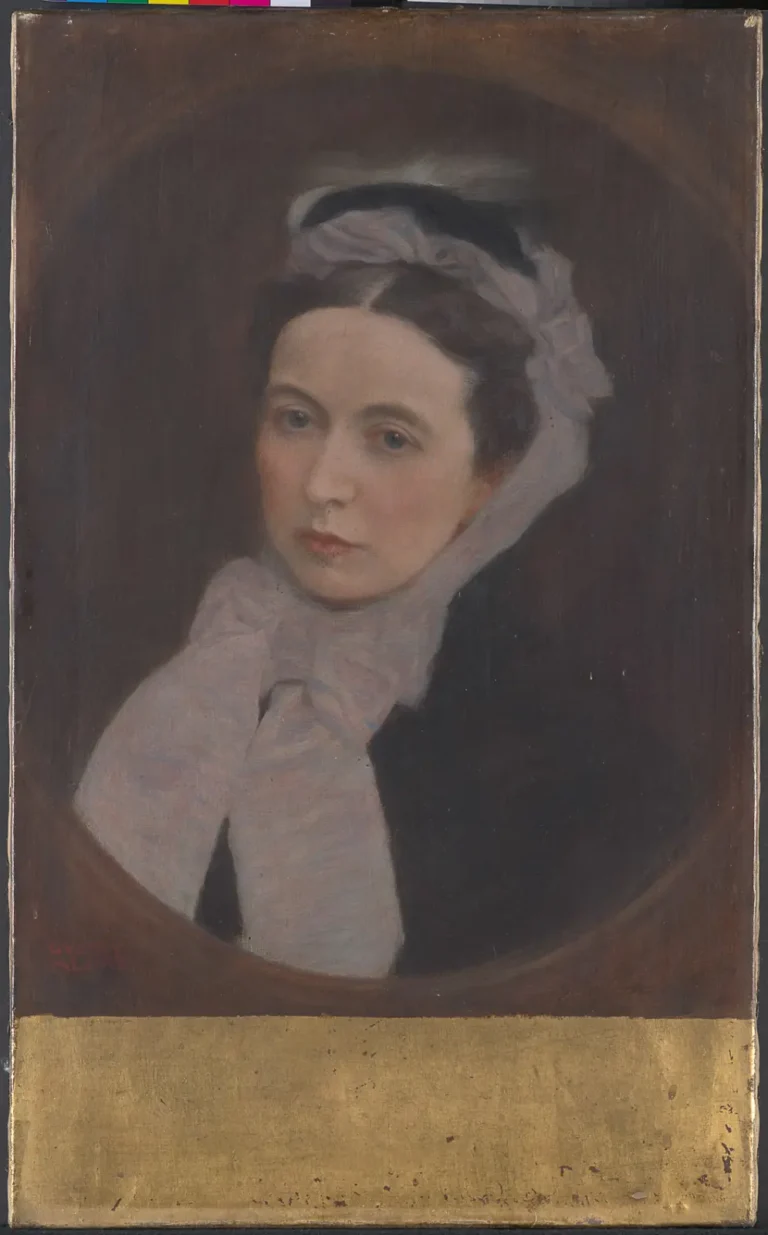
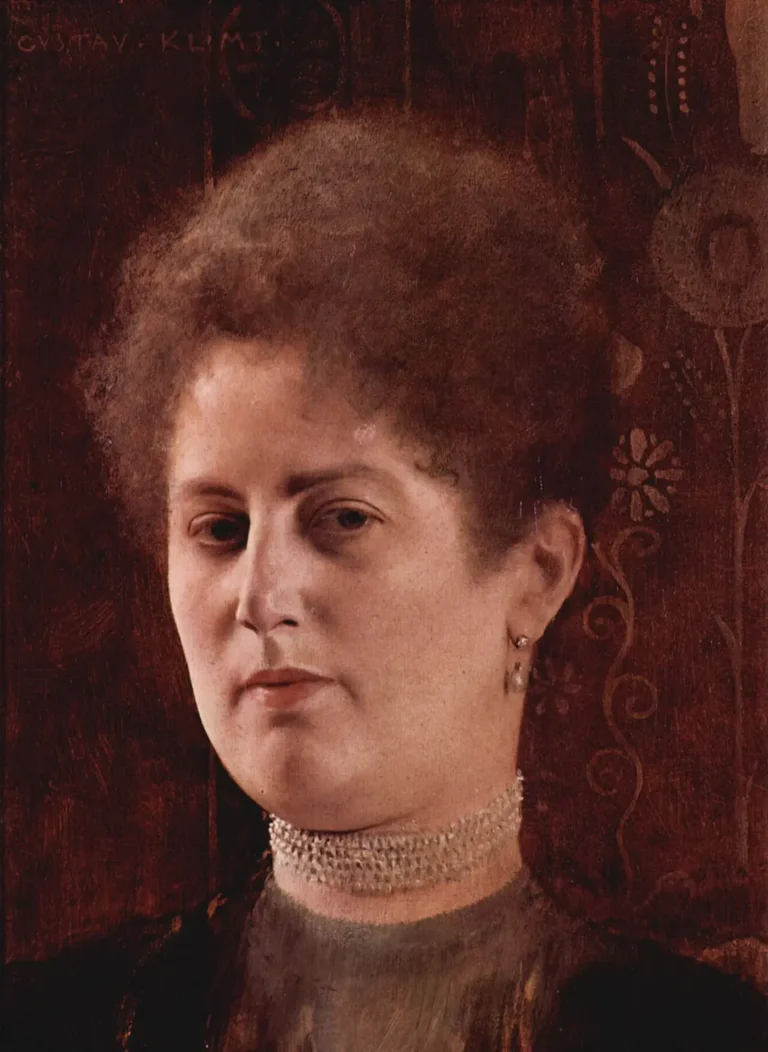
Klimt’s small early Portrait of a Woman (c. 1894), inscribed as Frau Heymann, in the Wien Museum: a realistic head study in oil on paperboard.
-
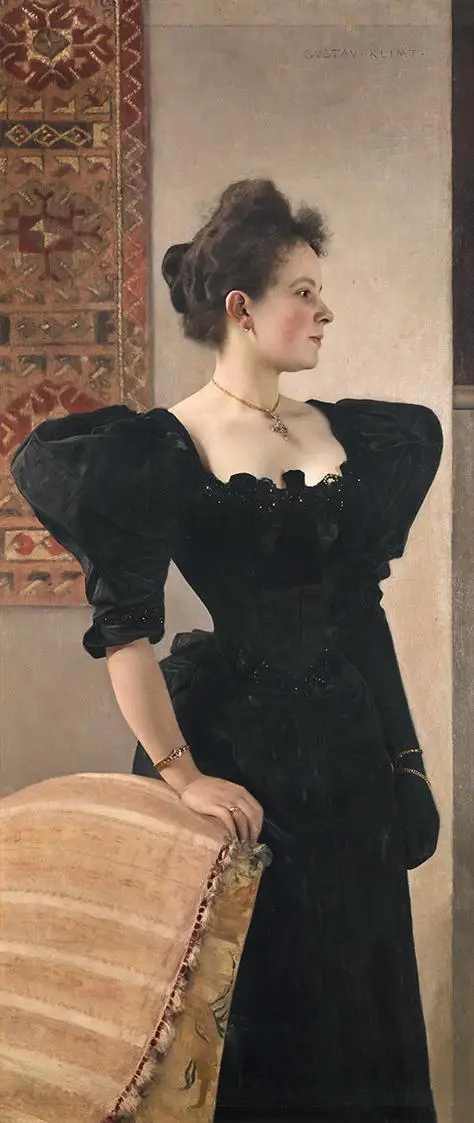
Klimt’s Portrait of a Woman (1893–94), showing Marie Breunig in a black dress, is his first full-length portrait of a woman. In the Belvedere, Vienna.
-
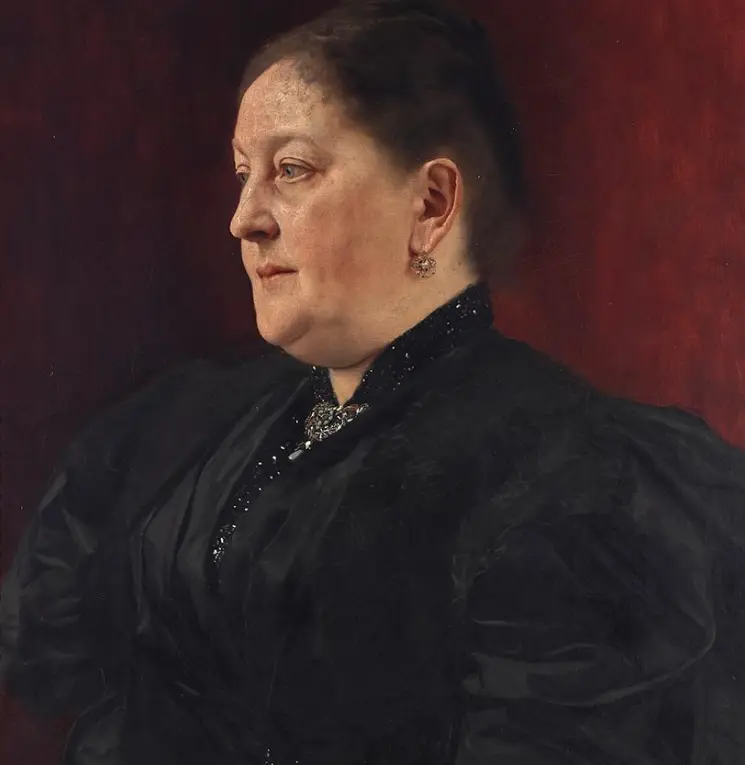
Klimt’s early Portrait of Mathilde Trau (c. 1893) in the Belvedere: a realistic likeness of a Viennese tea merchant’s wife in a black dress.
-
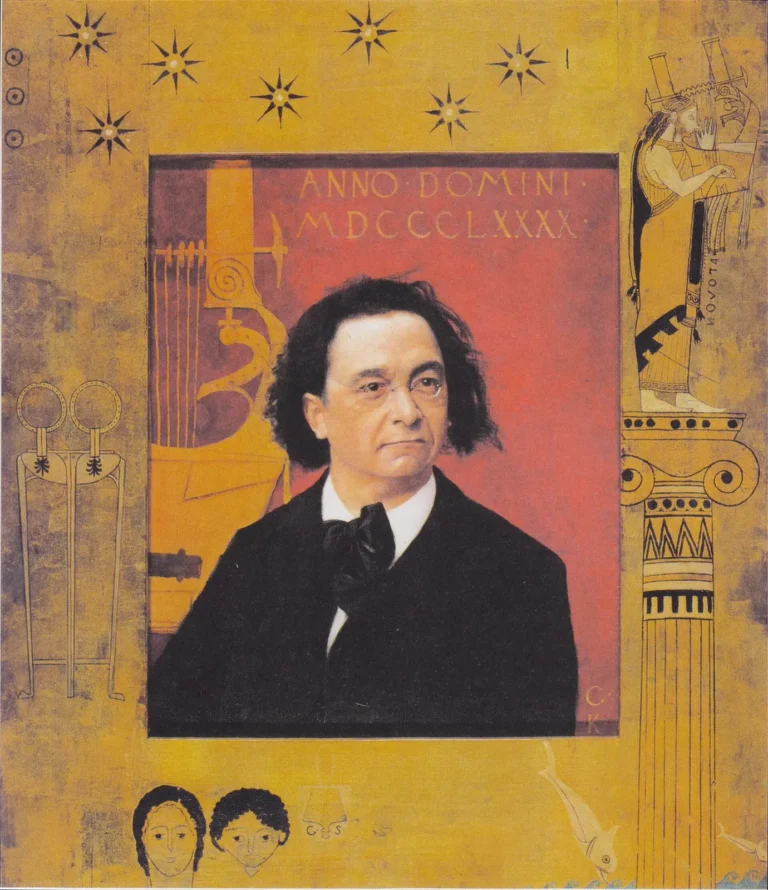
Klimt’s Portrait of Joseph Pembaur (1890), Ferdinandeum Innsbruck: a photographic likeness of a musician inside a symbol-filled frame Klimt painted himself.
-
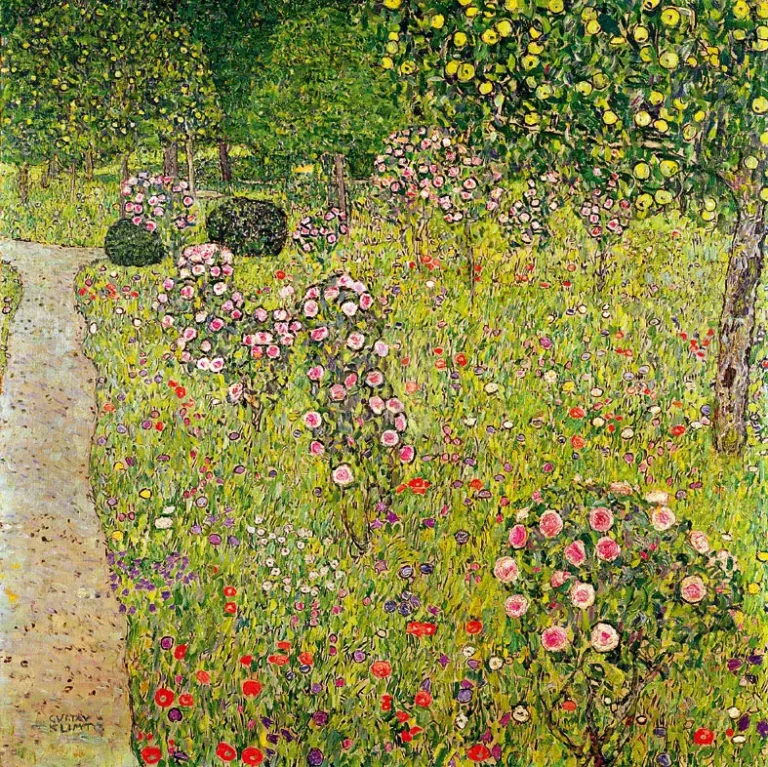
Klimt’s Orchard with Roses (1912): rose bushes, fruit trees and a garden path from his Attersee summers. The painting and its place in his late landscapes.