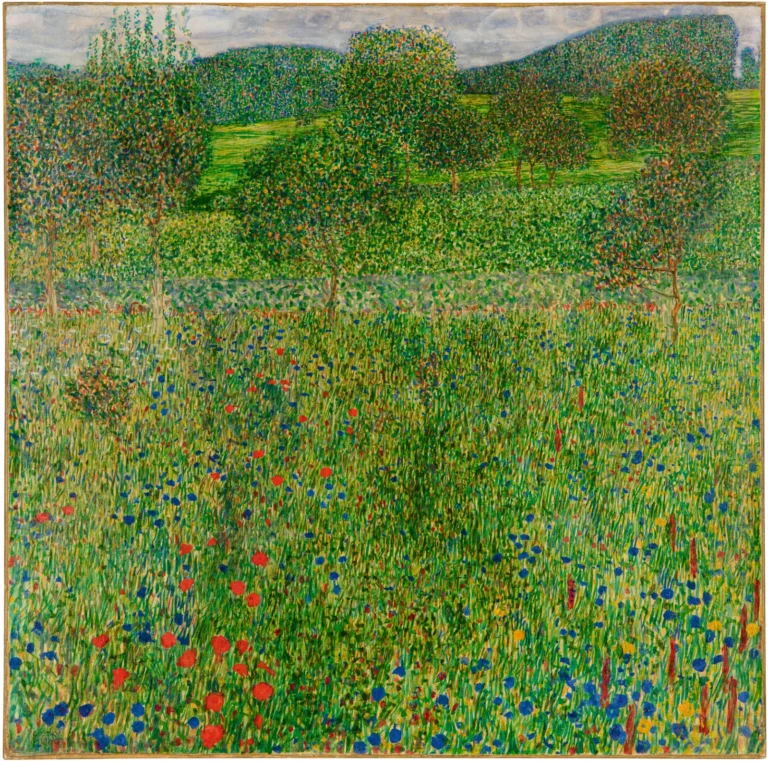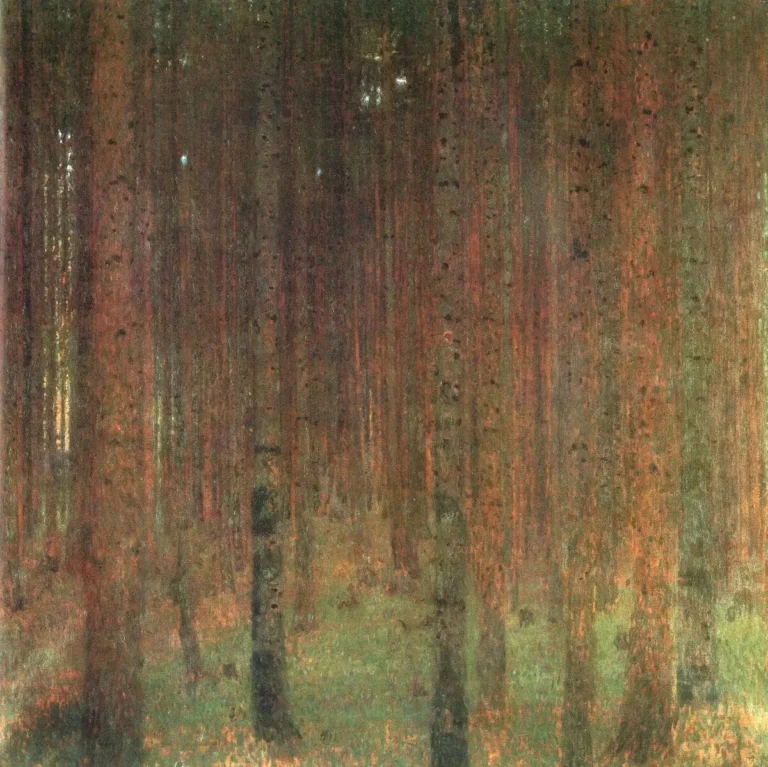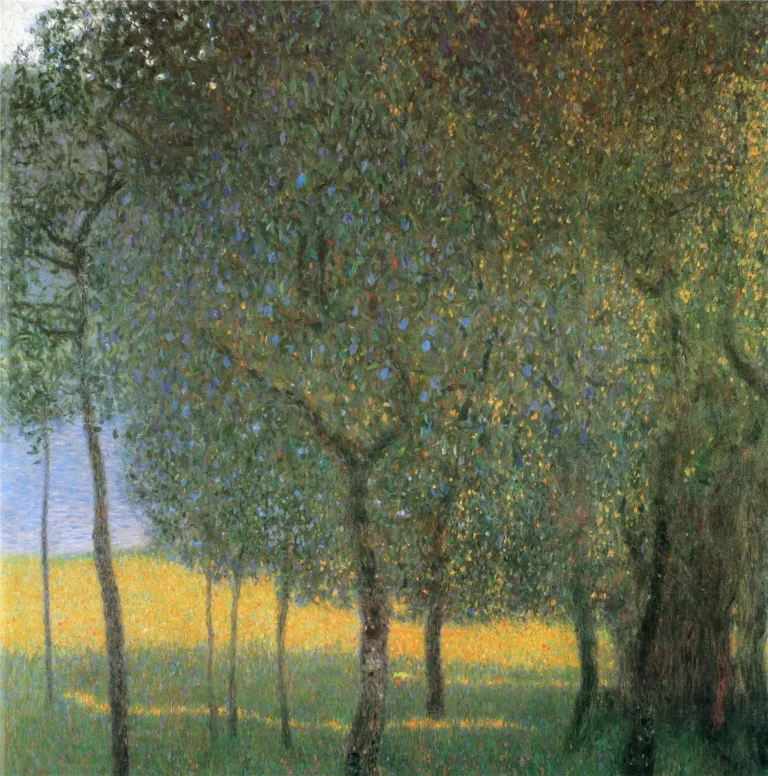
Klimt’s Fruit Trees (1901): a row of shady orchard trees in front of a sunlit field, from his early Attersee summers. The painting and its context.
-
-
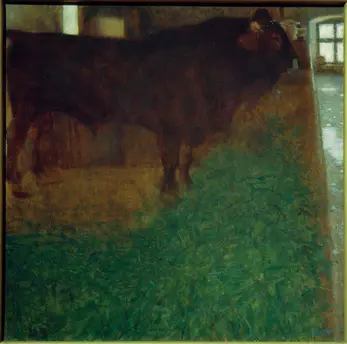
Klimt’s The Black Bull (1900), in the Leopold Museum, Vienna: a dark stable interior from his first summers in the country, and a rare animal subject.
-
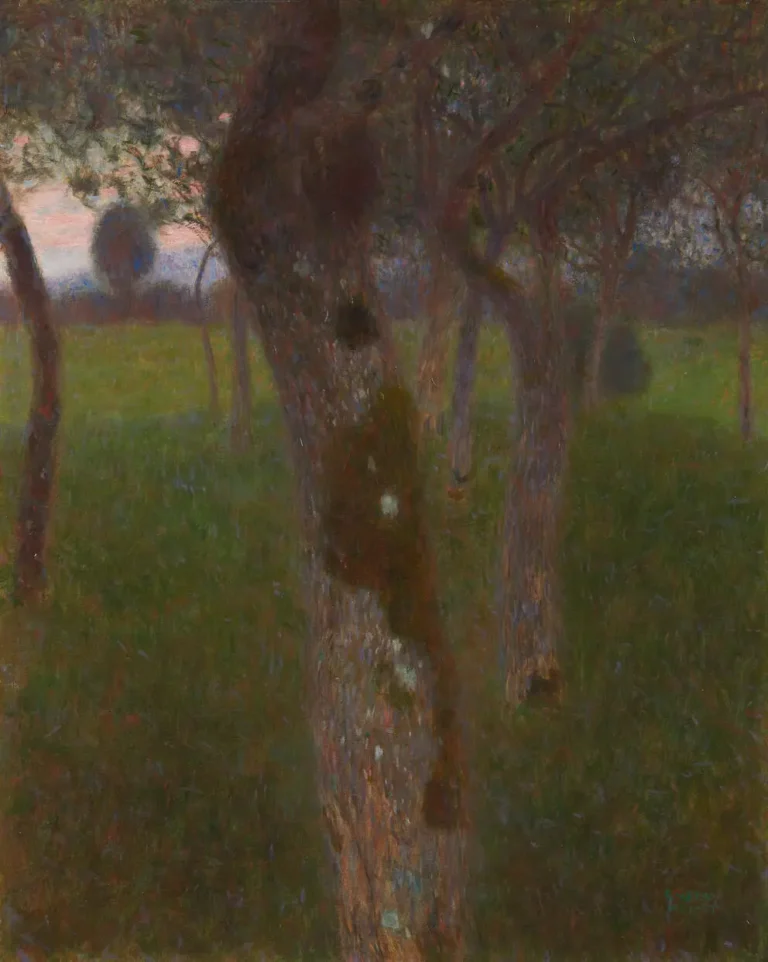
Klimt’s Orchard in the Evening (1898), an early Symbolist landscape of dark trunks at dusk, on permanent loan to the Leopold Museum, Vienna.
-
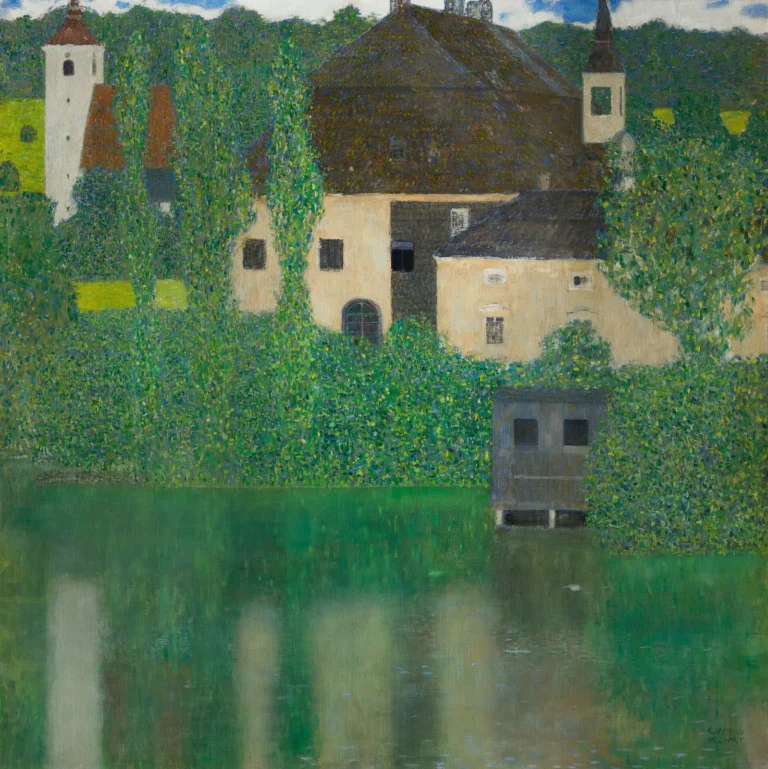
Klimt’s Water Castle (1908–09), the first of his Schloss Kammer paintings, is in the National Gallery Prague. What it shows and where to see it.
-
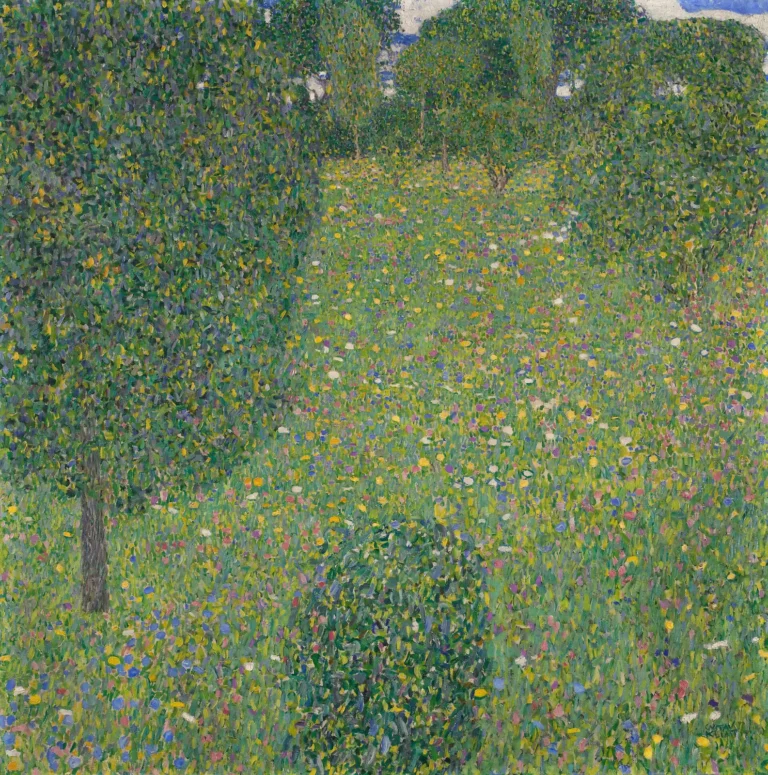
Klimt’s Blooming Meadow (c. 1908): a sunlit Attersee meadow with round trees, painted in tiny dabs of colour. The painting and its place in his landscapes.
-
Klimt’s Orchard (c. 1905–07) at the Carnegie Museum of Art, Pittsburgh: a shimmering Attersee meadow and fruit trees, bought by the museum in 1960.
-
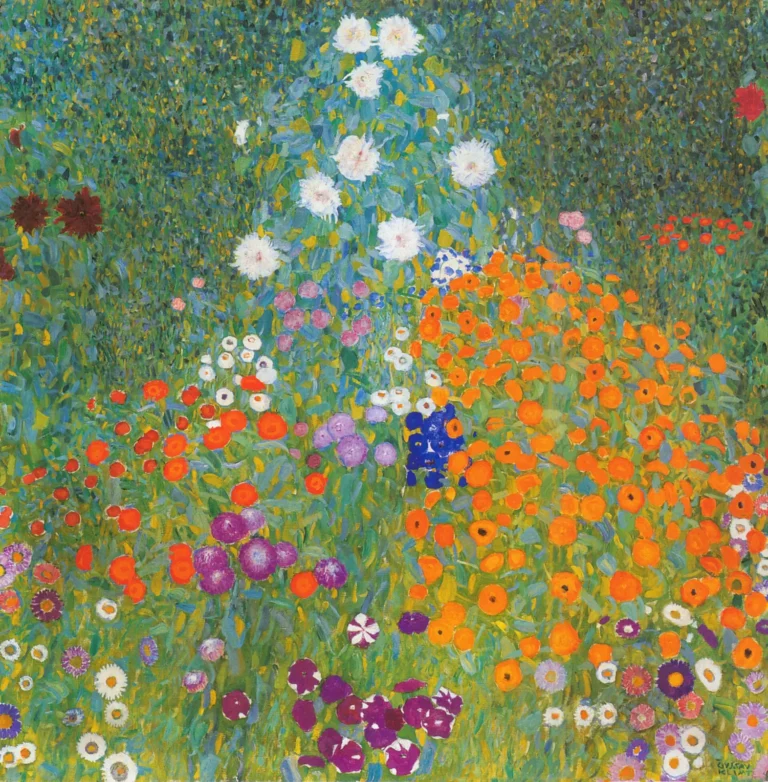
Klimt’s Bauerngarten (Flower Garden), 1907, a riot of flowers with no sky, sold for £48m ($59.3m) at Sotheby’s London in 2017, a record for a landscape.
-
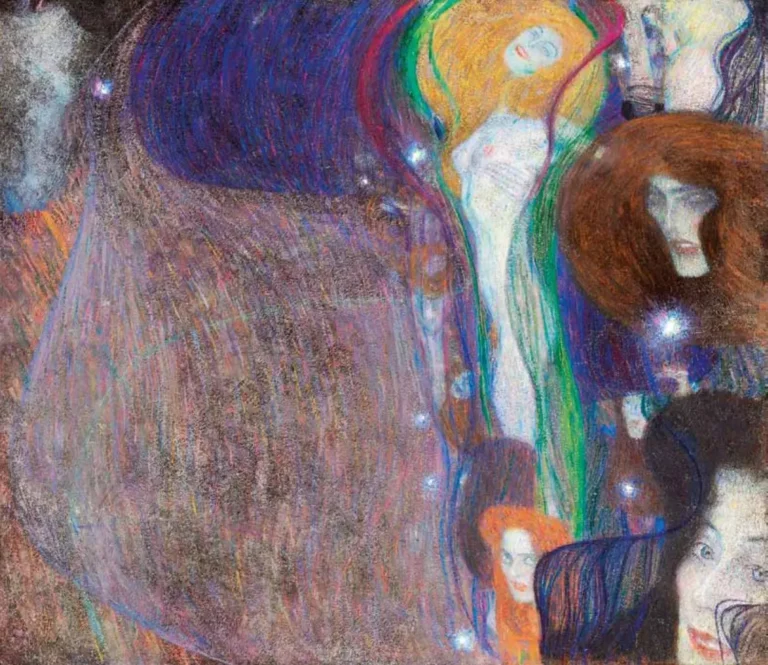
Klimt’s Will-o’-the-Wisp (Irrlichter), 1903, shows ghostly women with streaming hair and points of light. Lost for decades, it resurfaced in 1978.
-
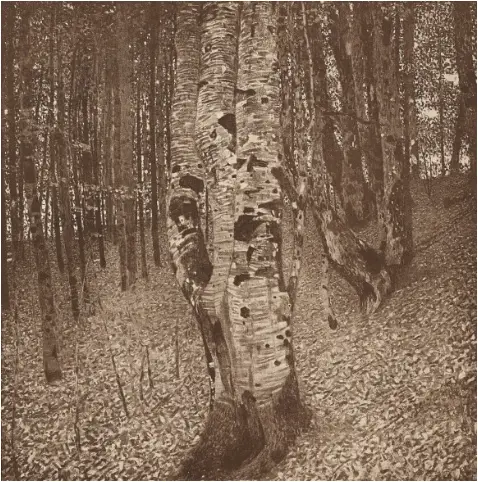
Klimt’s Beech Grove II (Buchenwald II), shown as “Buche” at the 1903 Secession, is now known only from a photograph. Its whereabouts are unknown.
-
Klimt’s Pine Forest II (1901), a dense forest interior of reddish trunks, painted on the Attersee. The painting, its twin in Zug, and Klimt’s forest series.