Judith II (Salome) by Gustav Klimt
Gustav Klimt’s Judith II (1909), often called Salome: how it differs from Judith I, the last great painting of the Golden Phase, and how it came to Ca’ Pesaro in Venice.
The paintings of Gustav Klimt, from the early allegories to the Golden Phase and the late portraits.
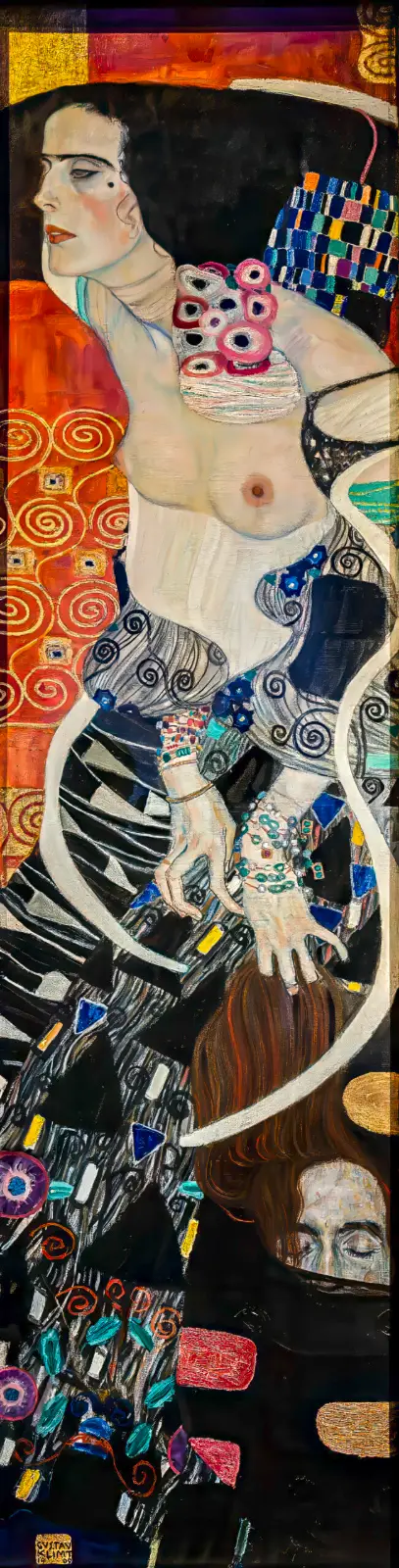
Gustav Klimt’s Judith II (1909), often called Salome: how it differs from Judith I, the last great painting of the Golden Phase, and how it came to Ca’ Pesaro in Venice.
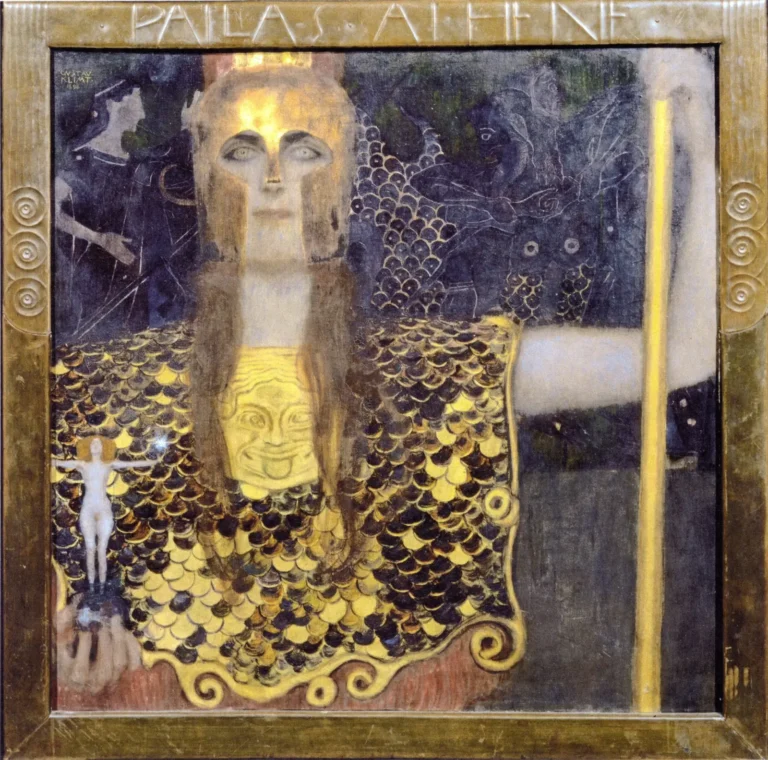
Gustav Klimt’s Pallas Athene (1898): why he painted the goddess of wisdom as the armoured patron of the Vienna Secession, the symbols in the painting, and where to see it.
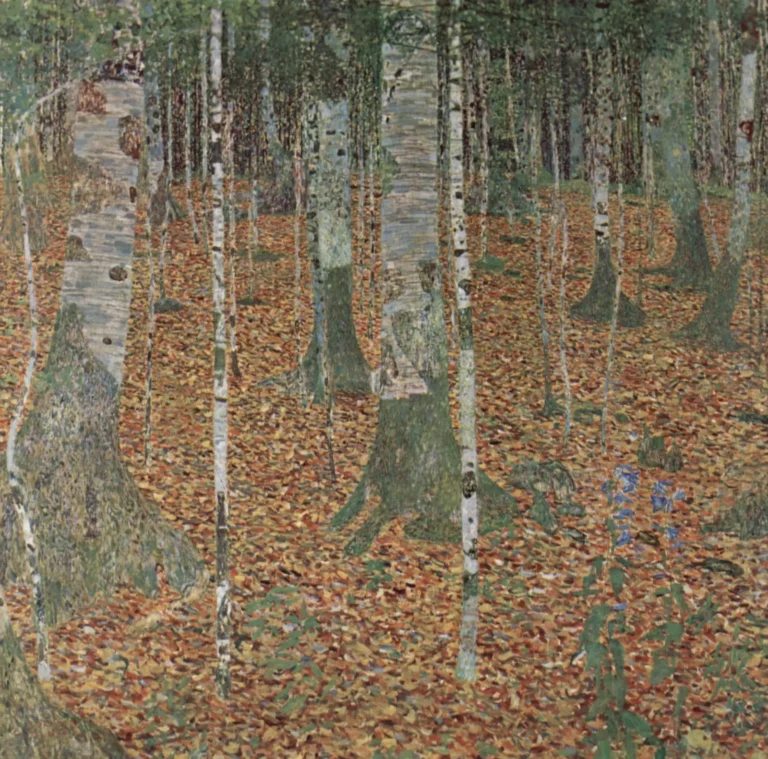
Gustav Klimt’s Birch Forest (1903): the Attersee woodland he painted at Litzlberg, its history in the Bloch-Bauer collection, and its $104.6 million sale in 2022.
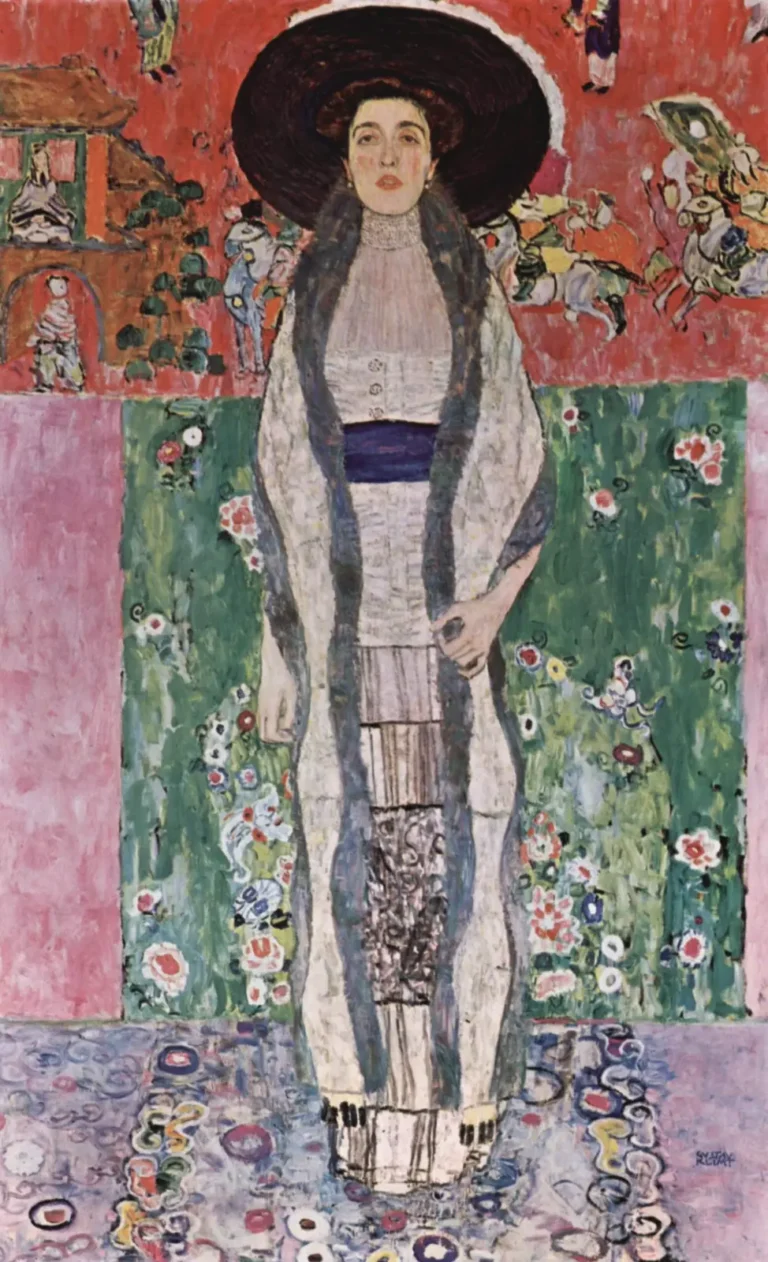
Gustav Klimt’s second portrait of Adele Bloch-Bauer (1912): how it differs from the Woman in Gold, its seizure and restitution, and its sales to Oprah Winfrey and a Chinese collector.
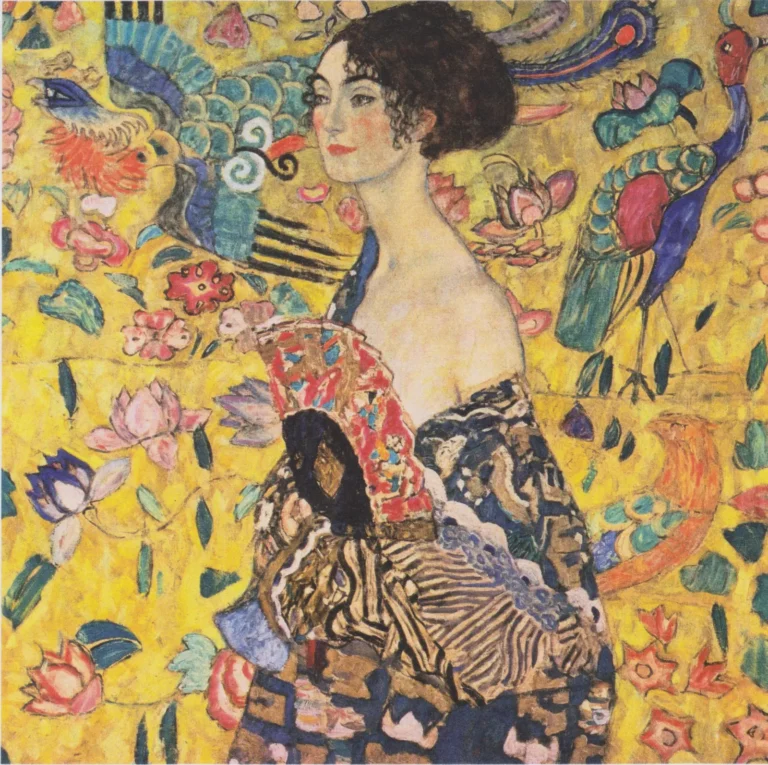
Gustav Klimt’s Lady with a Fan (Dame mit Fächer, 1917–18): the last portrait he completed, its East Asian symbols, and its record £85.3 million sale at Sotheby’s London in 2023.
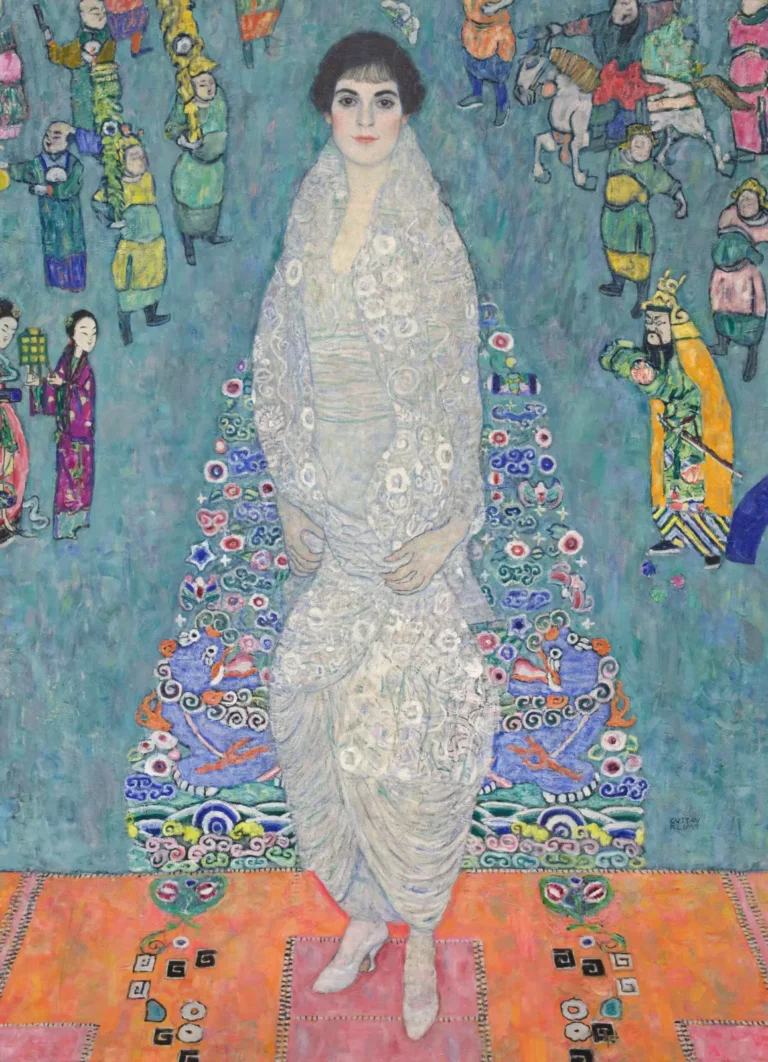
The story of Gustav Klimt’s Portrait of Elisabeth Lederer (1914–16): who Elisabeth was, how the painting helped protect her from Nazi persecution, and its record $236.4 million sale in 2025.
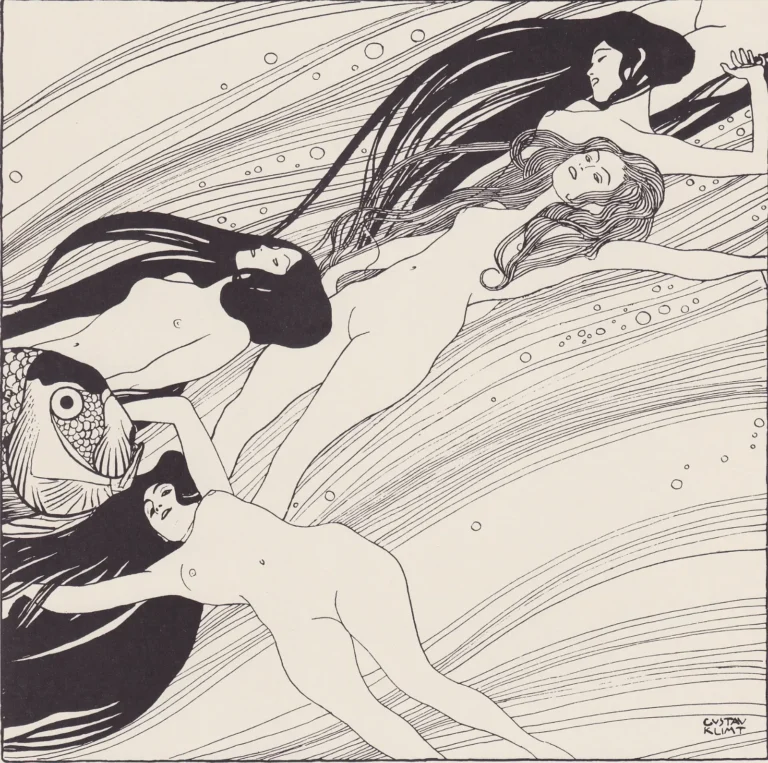
Gustav Klimt’s Fischblut (Fish Blood): the 1898 drawing of women drifting in water with a great fish, published in the Secession magazine Ver Sacrum.
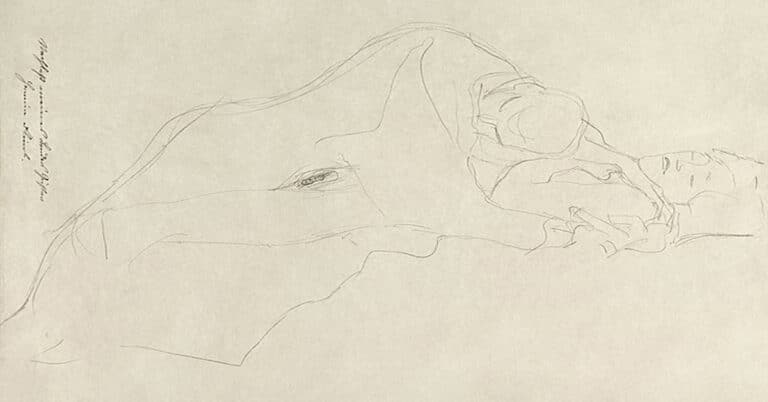
Gustav Klimt’s The Lovers (1913), a graphite drawing of an embracing couple in the Metropolitan Museum of Art, and the place of drawing in Klimt’s work.
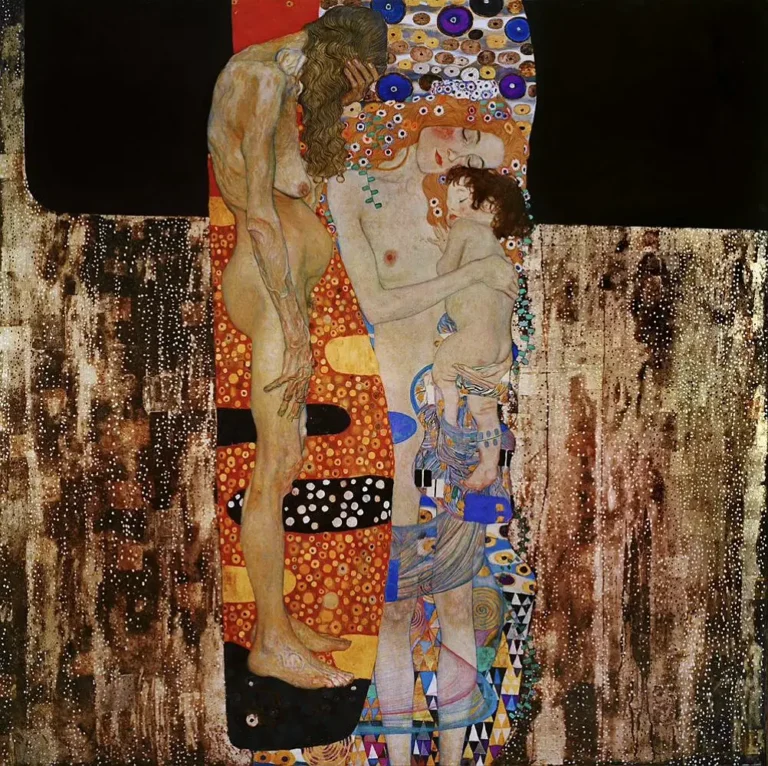
Gustav Klimt’s The Three Ages of Woman (1905): the child, the mother and the old woman, what the painting means, and how to see it at the Galleria Nazionale d’Arte Moderna in Rome.
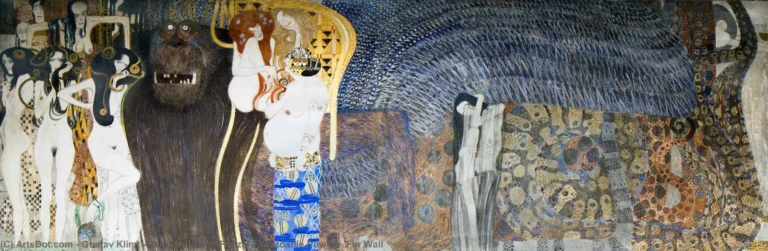
Gustav Klimt’s Beethoven Frieze: painted for the 1902 Secession exhibition, its three sections and figures explained, how it survived, and how to see it in Vienna today.