Portrait of Emilie Flöge (1902) by Gustav Klimt
Gustav Klimt’s 1902 portrait of his companion Emilie Flöge: the blue dress, the mosaic background, why she disliked it, and where to see it at the Wien Museum.
The paintings of Gustav Klimt, from the early allegories to the Golden Phase and the late portraits.
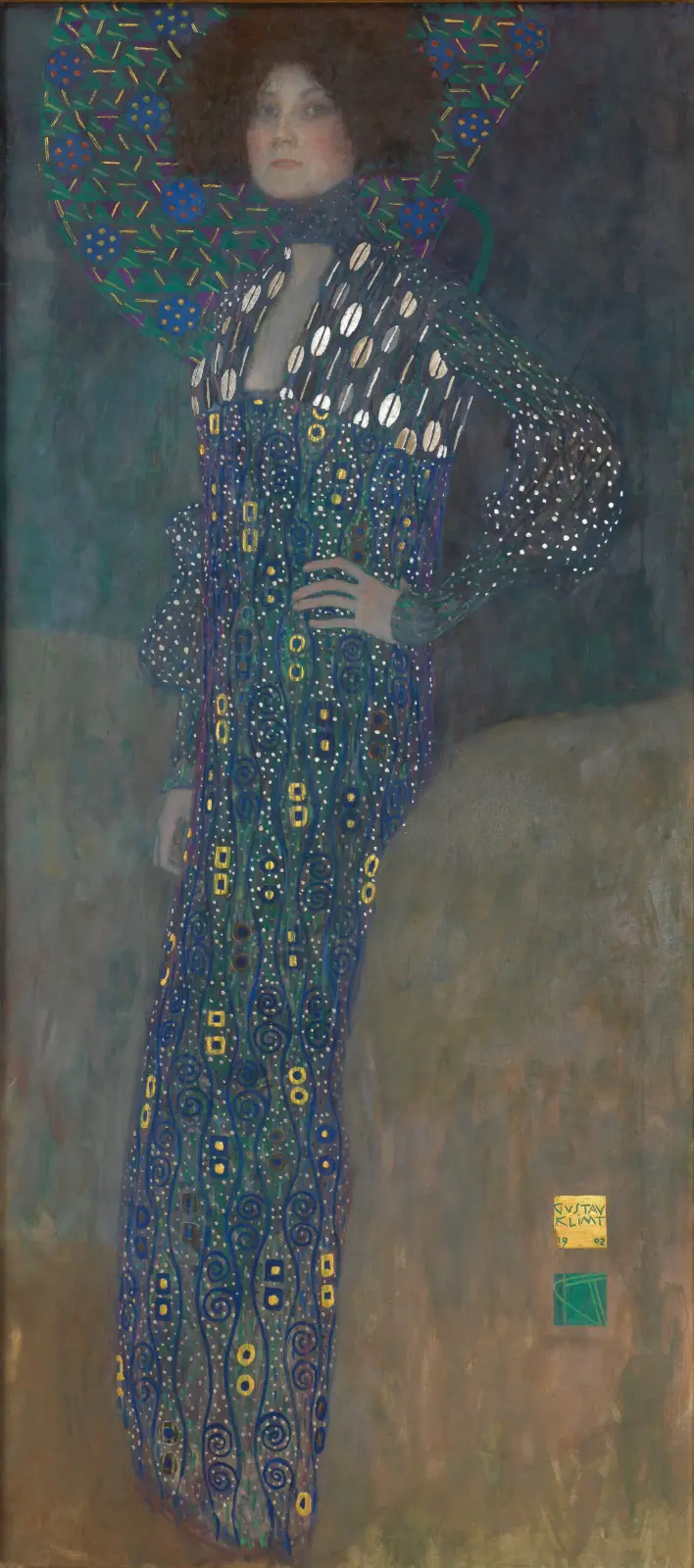
Gustav Klimt’s 1902 portrait of his companion Emilie Flöge: the blue dress, the mosaic background, why she disliked it, and where to see it at the Wien Museum.
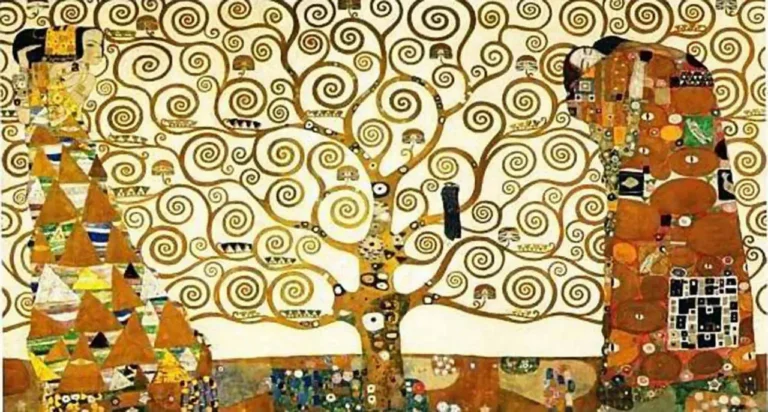
Gustav Klimt’s Stoclet Frieze for the Palais Stoclet in Brussels: the three panels, the Tree of Life, Expectation and Fulfilment, how the mosaic was made, and where to see the designs.
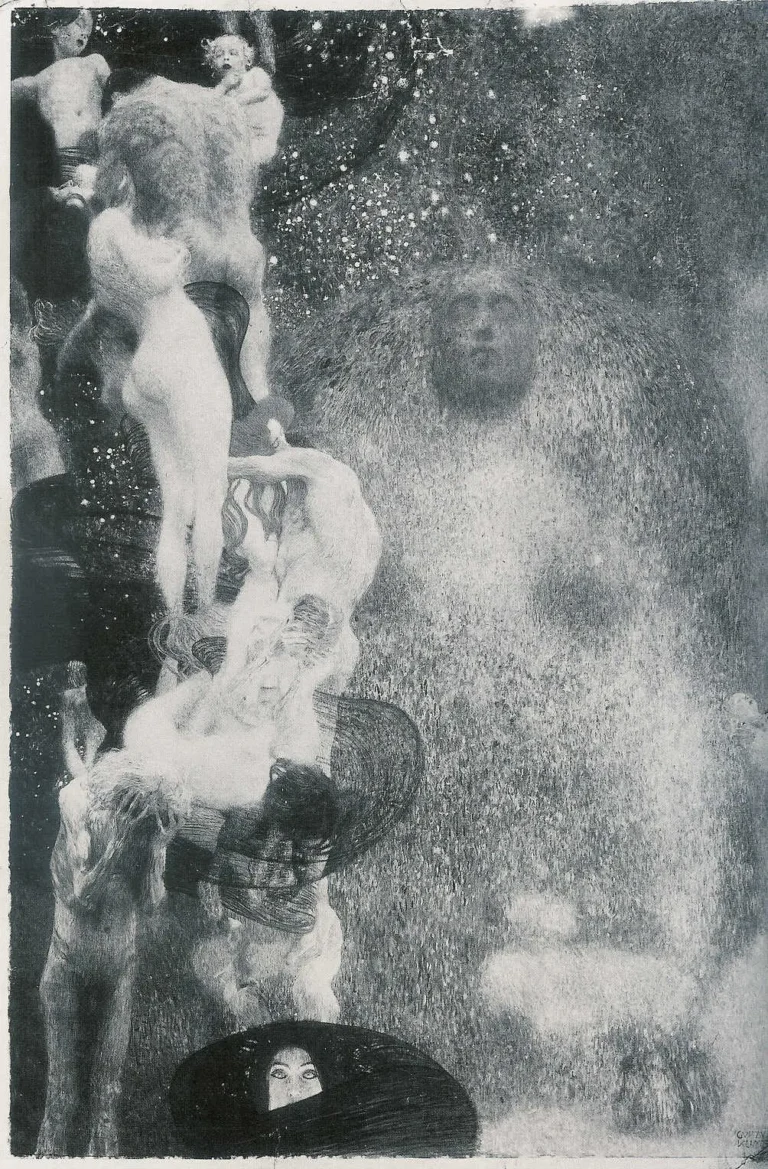
The story of Gustav Klimt’s three ceiling paintings for the University of Vienna, Philosophy, Medicine and Jurisprudence: the commission, the scandal, and their destruction in 1945.
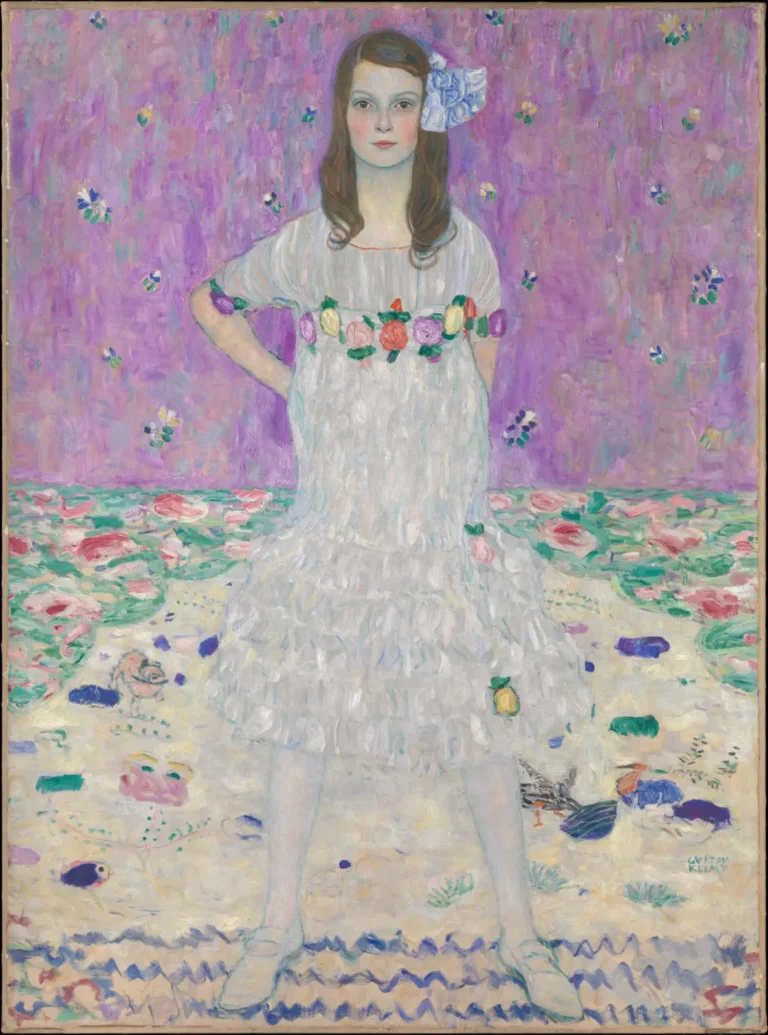
Gustav Klimt’s portrait of nine-year-old Mäda Primavesi (1912–13): the confident young sitter, the flowered background of his late style, and how to see it at the Metropolitan Museum of Art.
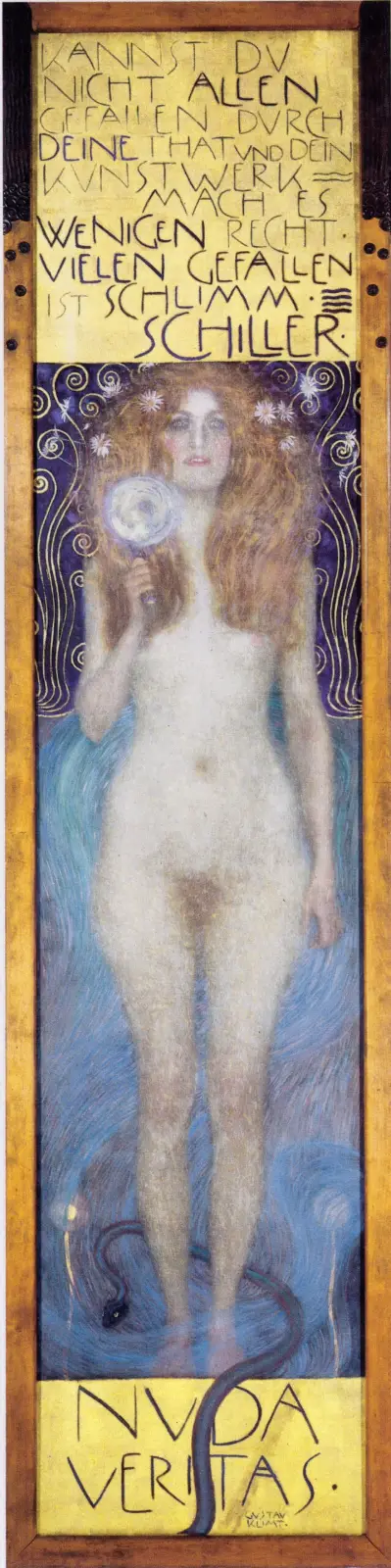
Gustav Klimt’s Nuda Veritas (1899): the naked figure of Truth with her mirror, the Schiller inscription above her, its meaning for the Vienna Secession, and where to see it.
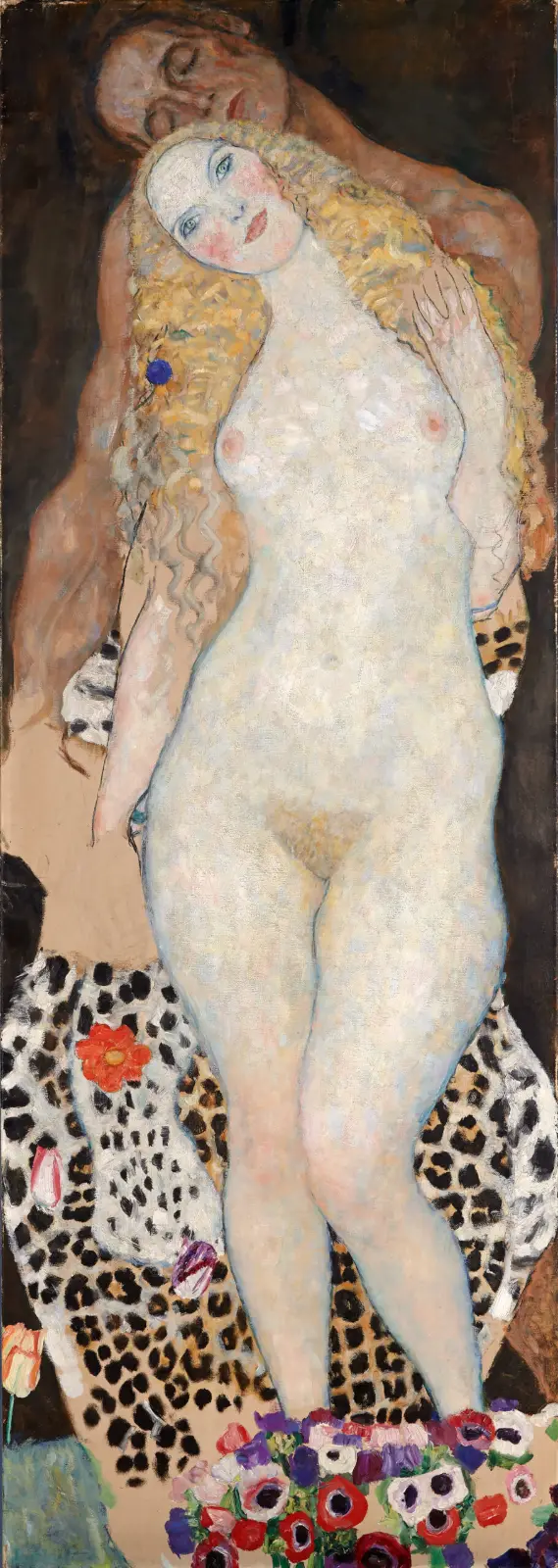
Gustav Klimt’s Adam and Eve (1916–18), left unfinished at his death: Eve’s luminous figure, the hidden Adam, the anemones at her feet, and where to see it.
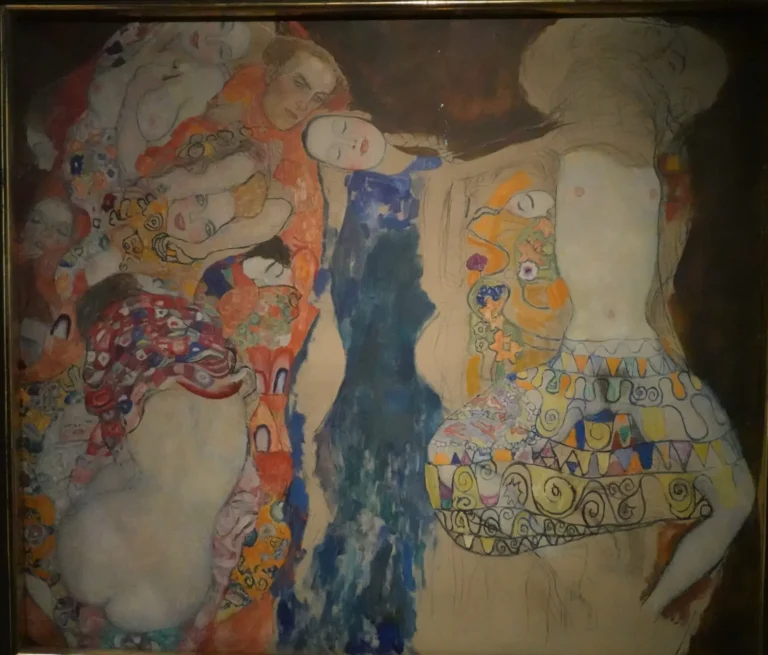
Gustav Klimt’s The Bride (1917–18), left unfinished at his death: what it shows, how it reveals the way he painted, and where to see it in Vienna.
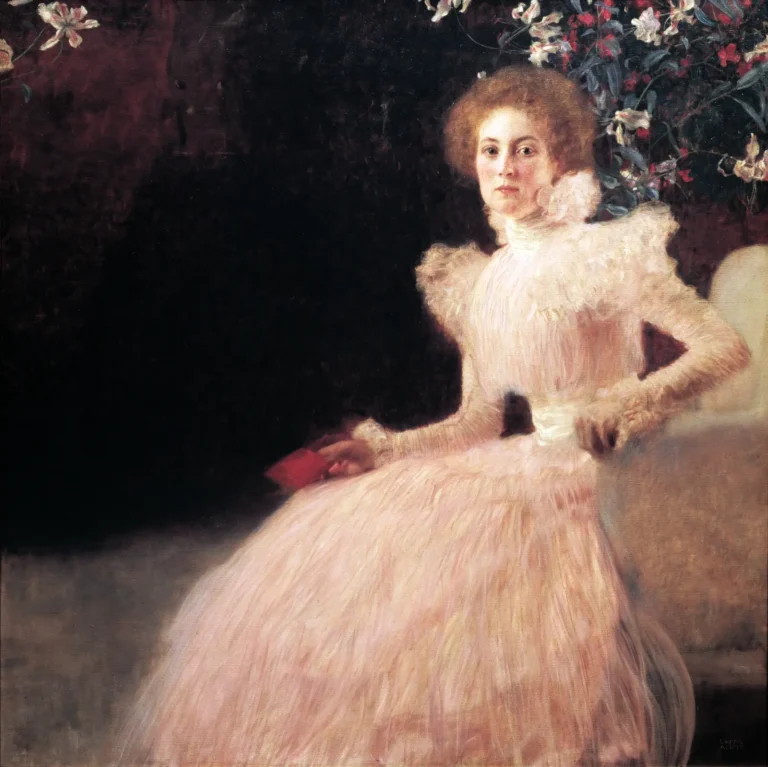
Gustav Klimt’s Portrait of Sonja Knips (1897–98), his first great square-format society portrait: the sitter, the pink dress, the dark background and where to see it in Vienna.
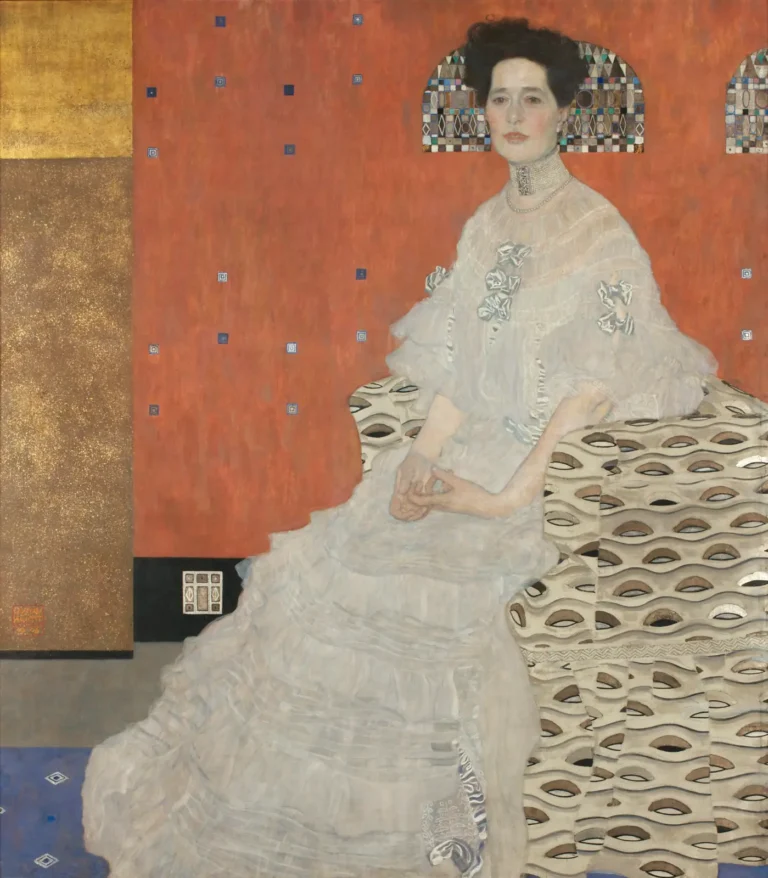
Gustav Klimt’s Portrait of Fritza Riedler (1906): a society portrait on the threshold of the Golden Phase, its patterned chair and Velázquez-inspired headdress, and where to see it.
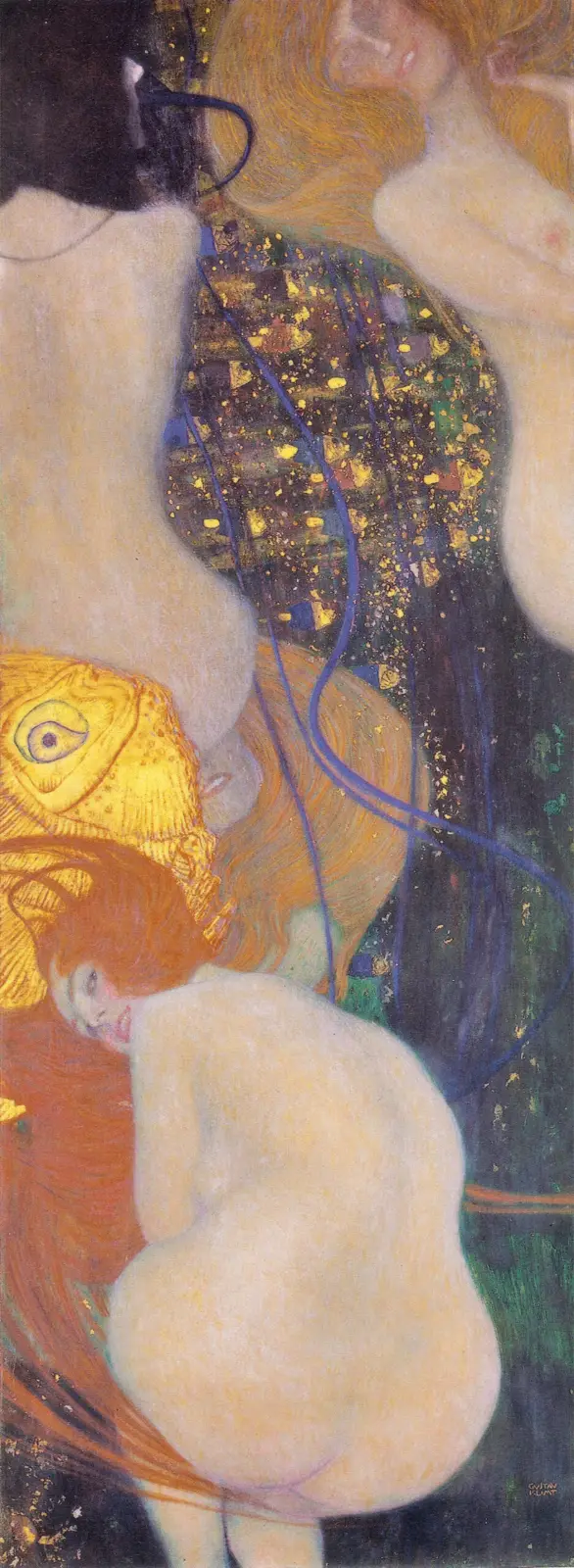
Gustav Klimt’s Goldfish (1901–02), his provocative answer to the critics of the faculty paintings: what it shows, the story behind its title, and where to see it in Solothurn.