Schloss Kammer on the Attersee: Klimt’s Castle Paintings
Gustav Klimt painted Schloss Kammer, a castle on the shore of the Attersee, several times between 1908 and 1912. The versions, the views and where to see them.
The paintings of Gustav Klimt, from the early allegories to the Golden Phase and the late portraits.
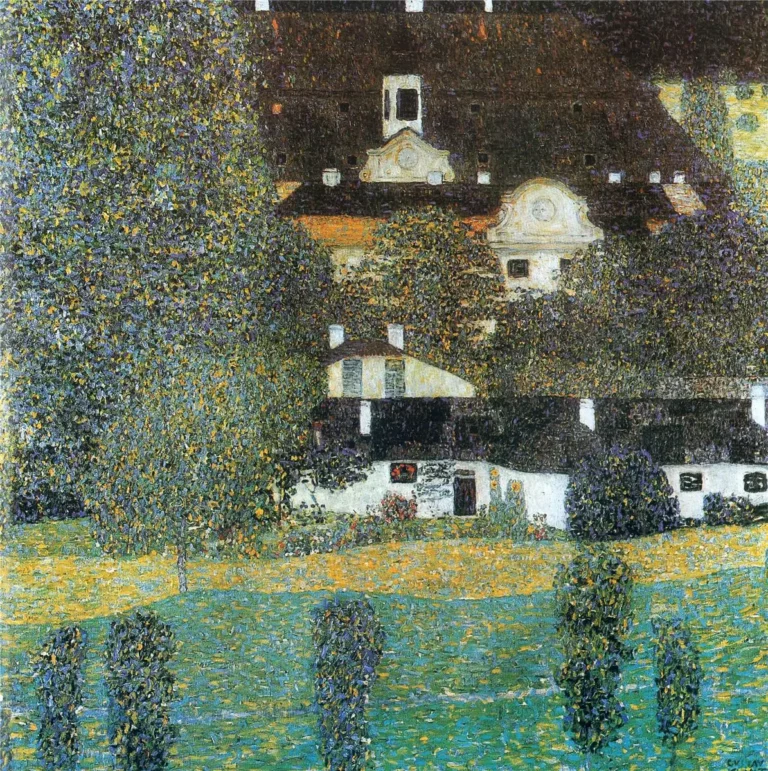
Gustav Klimt painted Schloss Kammer, a castle on the shore of the Attersee, several times between 1908 and 1912. The versions, the views and where to see them.
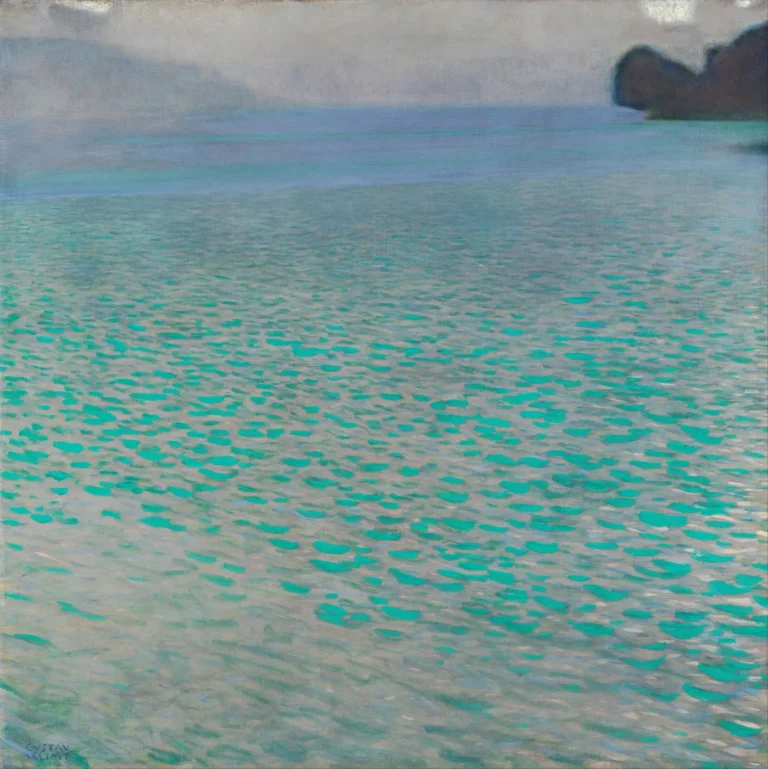
Gustav Klimt’s Attersee (1900): a square canvas almost entirely filled with shimmering water, painted on his summer holidays. Where to see it at the Leopold Museum, Vienna.
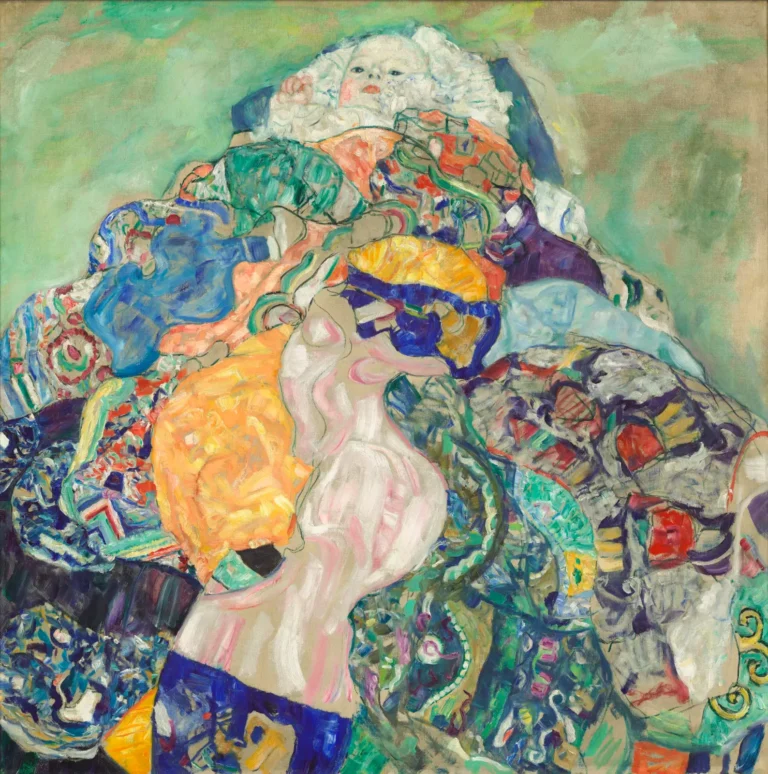
Gustav Klimt’s Baby (Cradle), one of his last paintings: a tiny face on a mountain of patterned blankets. Where to see it at the National Gallery of Art in Washington.
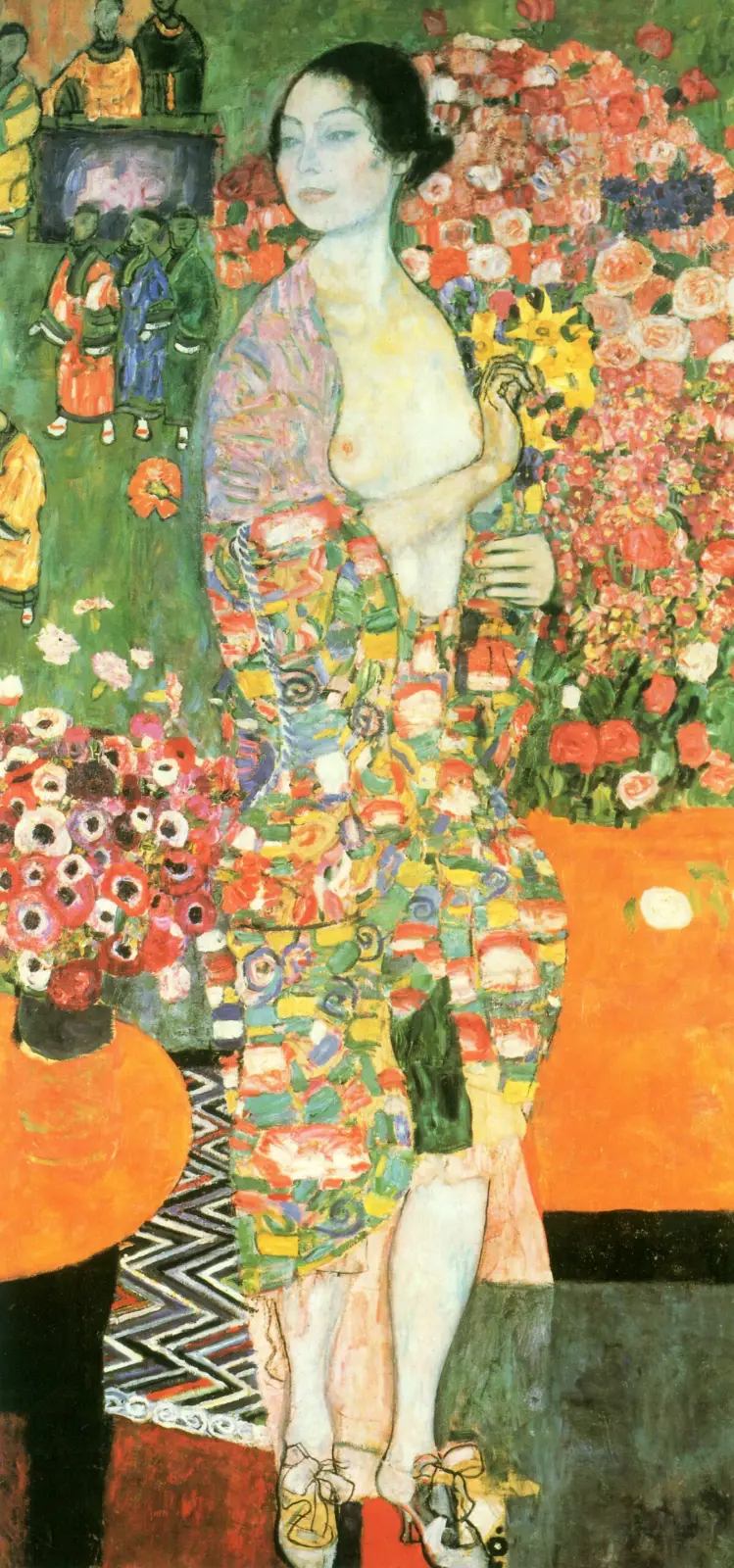
Gustav Klimt’s The Dancer (1916–18): a late portrait full of flowers and East Asian-inspired pattern, painted in the last years of his life.
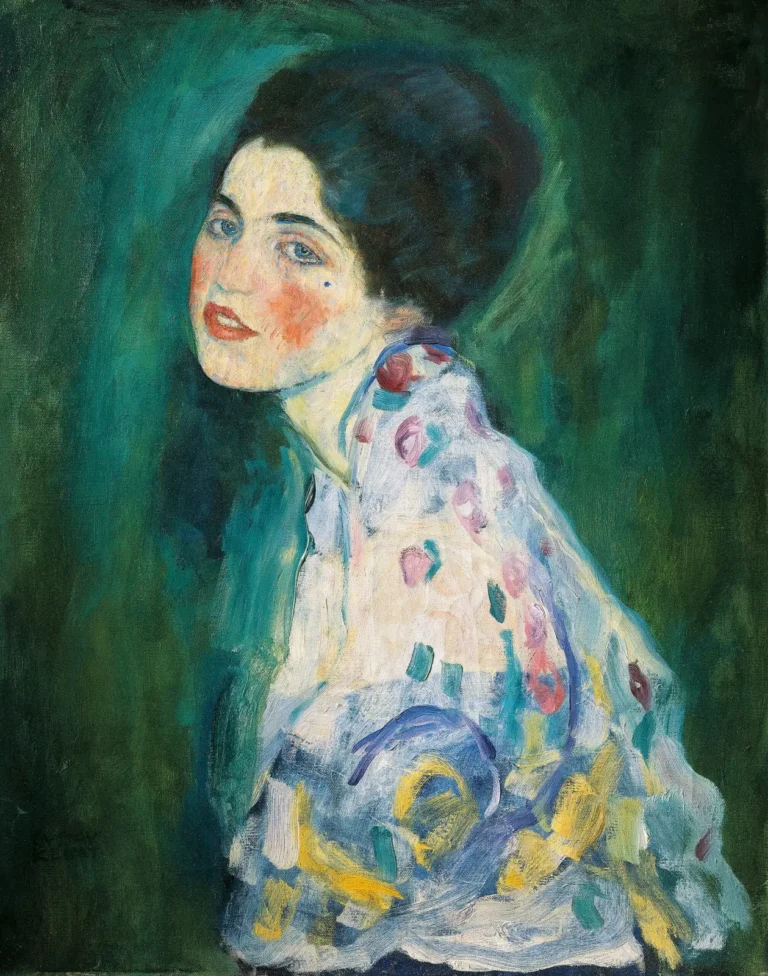
The story of Klimt’s Portrait of a Lady (1916–17): the hidden earlier portrait beneath it, its theft from the Ricci Oddi gallery in 1997, and its discovery inside the gallery wall in 2019.
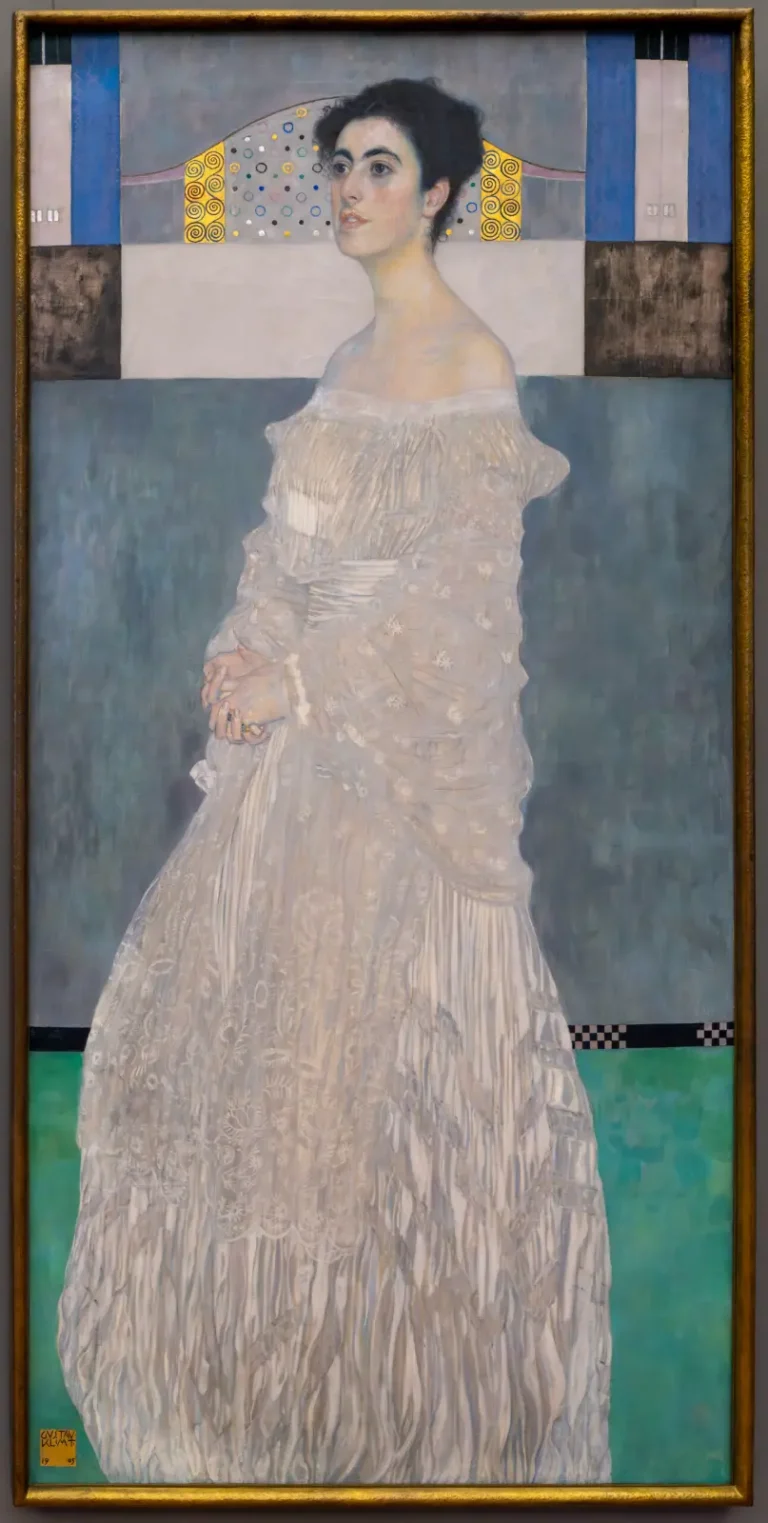
Gustav Klimt’s 1905 wedding portrait of Margaret Stonborough-Wittgenstein, sister of Ludwig Wittgenstein: the white dress, the geometric background, and where to see it in Munich.
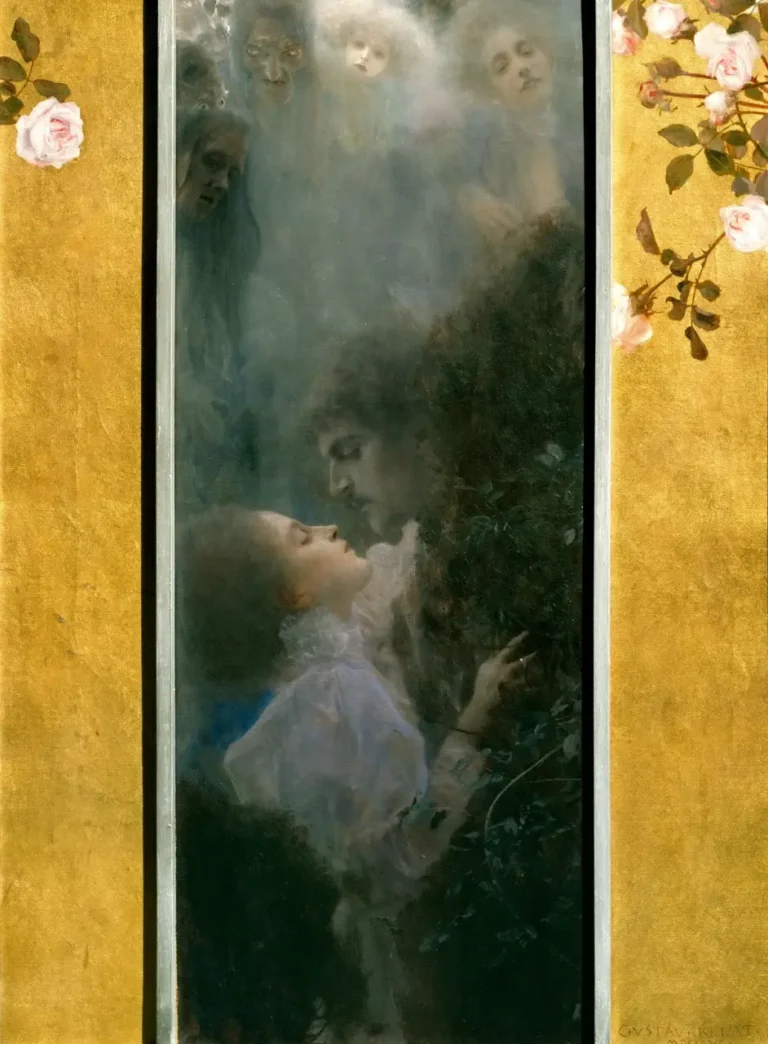
Gustav Klimt’s Love (1895): a couple about to kiss watched by faces of youth, age and death, painted for Gerlach’s Allegories. At the Wien Museum, Vienna.
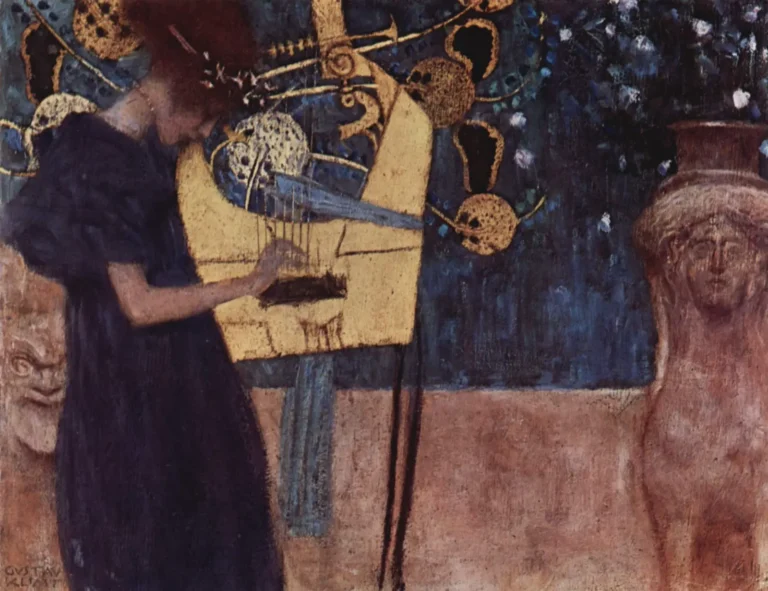
Gustav Klimt’s Music I (1895): the woman with a lyre, the sphinx, its link to the lost Dumba music room, and where to see it in Munich.
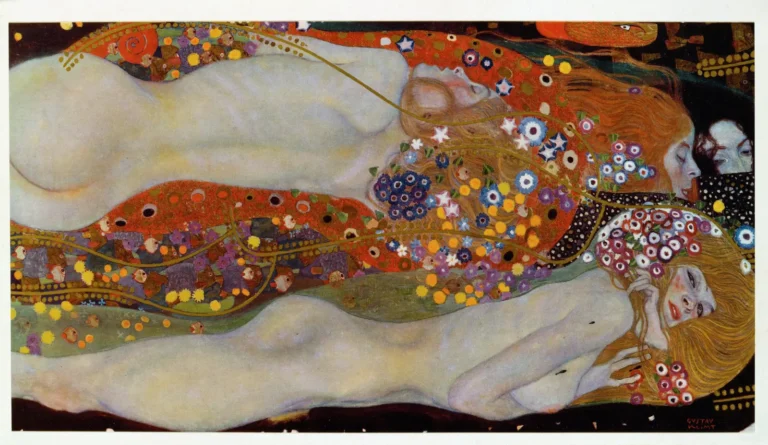
Gustav Klimt’s Water Serpents II: the floating women with streaming hair, its relation to Water Serpents I, its seizure and restitution, and its life in private collections.
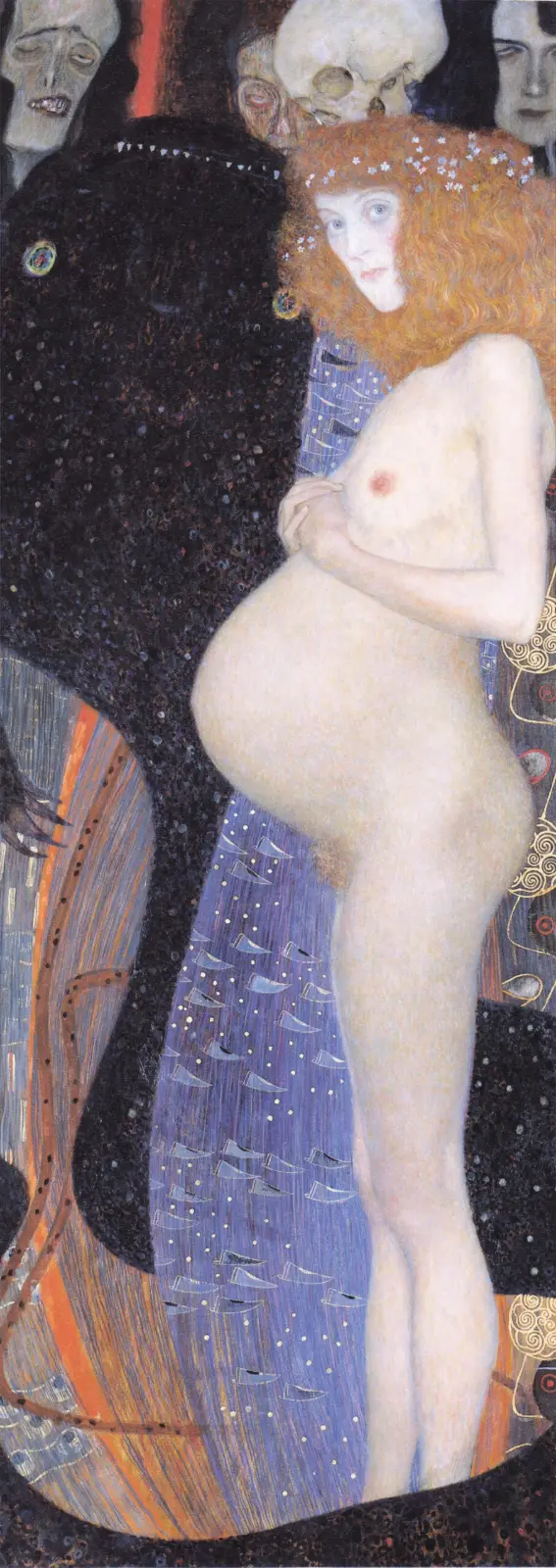
Gustav Klimt’s Hope I (1903): the nude pregnant woman surrounded by figures of death, why it was kept from public view, and where to see it in Ottawa.