Klimt and Freud
The painter and the psychoanalyst lived minutes apart in Vienna and explored the same dreams, desires and fears. Did they ever meet, and what links their work?
Gustav Klimt and Sigmund Freud lived a short walk apart in Vienna for more than twenty years, and both turned their attention to dreams, desire and death at exactly the same moment. Yet there is no record that they ever met. This is the story of two men who never shared a room but shaped the same age.
Vienna 1900Two men, one city
Klimt was born in 1862, Freud in 1856. Freud lived and worked at Berggasse 19 from 1891 until 1938; Klimt’s studio was in the Josefstadt district until 1911. Both moved in the same educated, largely Jewish middle-class world of Vienna around 1900, read the same newspapers and drank in the same cafés. Café Landtmann on the Ring was one of Freud’s favourites; it is a few minutes from the Burgtheater where the young Klimt had painted the ceilings.
The question everyone asksDid they ever meet?
No meeting between Klimt and Freud is documented. Neither mentions the other in surviving letters, and Freud showed little interest in modern painting; his own collection was of Egyptian, Greek and Roman antiquities. The connection between them is one of ideas and of shared circles rather than friendship.
1900The same university, the same year
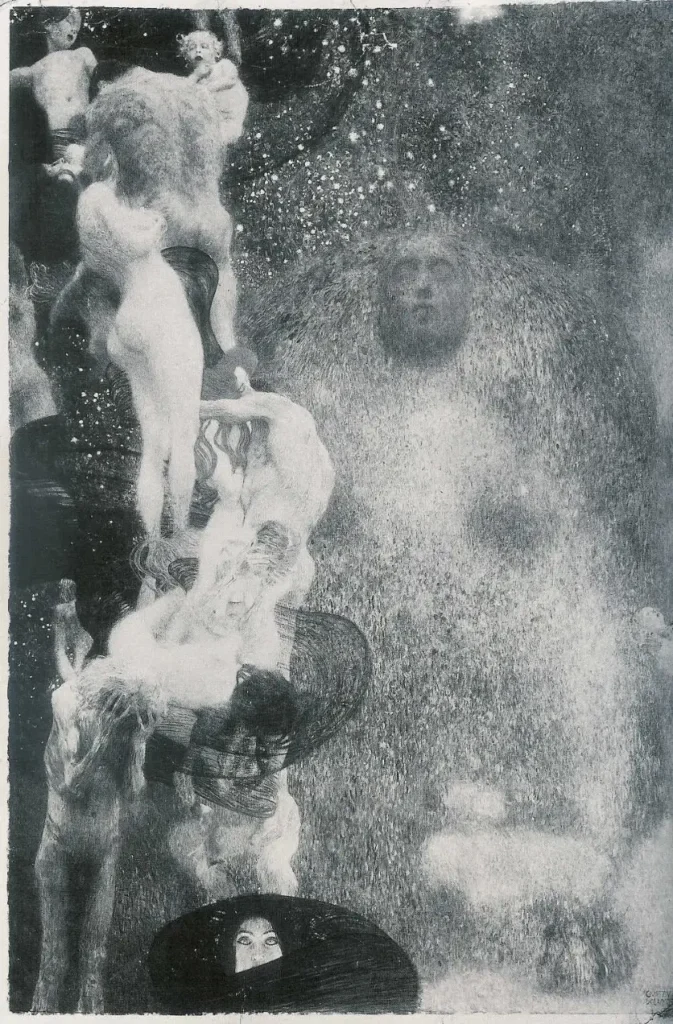
In 1899 Freud published The Interpretation of Dreams, dated 1900 on its title page. In March 1900 Klimt showed Philosophy, the first of his Faculty Paintings for the University of Vienna, a dreamlike stream of naked, drifting bodies that outraged the professors. Medicine followed in 1901. At the same university Freud was a lecturer still waiting for his professorship, which came in 1902. Both men were challenging the university’s faith in rational progress, one with paint and one with case histories.
Shared obsessionsDreams, desire and death
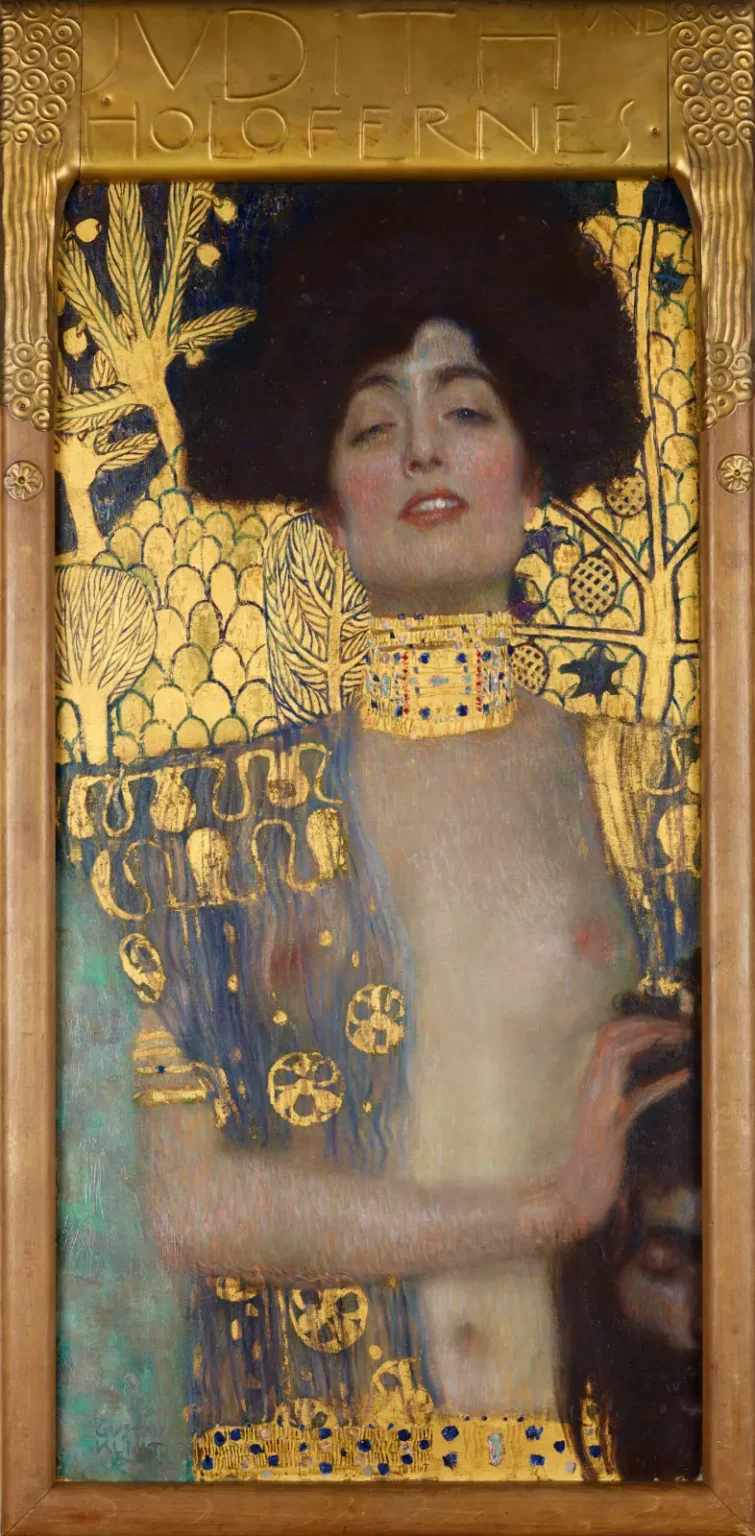
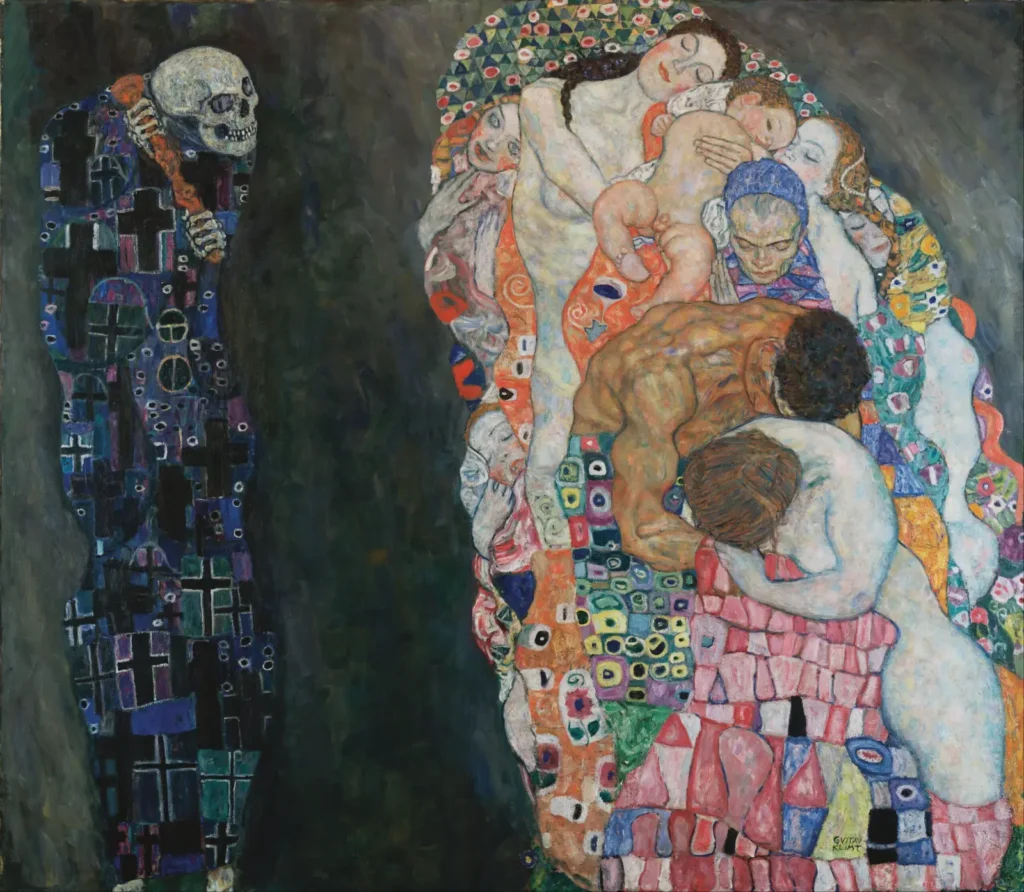
Klimt never wrote about his ideas, but his paintings return again and again to the themes Freud was putting into words. Judith I joins sexual pleasure and violence in one half-closed gaze. The floating sleepers of Water Serpents and The Maiden seem to drift through dreams. Death and Life sets a crowd of sleeping, embracing bodies against a figure of Death. Writers from the historian Carl Schorske onwards have described Klimt as the painter of the same inner world that Freud was mapping, without either needing the other.
Science in the salonMicroscopes and ornament
One real bridge between art and science ran through the salon of the journalist Berta Zuckerkandl, a champion of Klimt. Her husband Emil Zuckerkandl was a leading anatomist, and according to the neuroscientist Eric Kandel, Klimt looked through his microscopes and borrowed the shapes of cells for his ornament. In Kandel’s reading the rectangles and ovals in Danaë stand for sperm and egg cells. It is an interpretation rather than documented fact, but it shows how freely ideas moved between doctors and artists in Klimt’s Vienna.
A sitter in commonMargaret Stonborough-Wittgenstein
The closest personal link is a woman both men knew. Klimt painted the Portrait of Margaret Stonborough-Wittgenstein for her wedding in 1905. Two decades later she was analysed by Freud over about two years, and they stayed in touch until his death in London in 1939. Read more about her and the other women Klimt painted in Models and muses.
Further readingWhere to go next
- Carl E. Schorske, Fin-de-Siècle Vienna: Politics and Culture (1980), the classic account of Klimt, Freud and the crisis of liberal Vienna.
- Eric R. Kandel, The Age of Insight (2012), on Klimt, Kokoschka, Schiele, Freud and the science of the unconscious.
- Visit the Sigmund Freud Museum at Berggasse 19, then the Leopold Museum and Belvedere, all in our Klimt in Vienna in one day route.
Quick answersKlimt and Freud: FAQ
- Did Klimt know Freud? There is no evidence that they ever met, although they lived in the same city at the same time and shared friends and acquaintances.
- Was Klimt influenced by Freud? Not directly, as far as we know. They explored the same themes of dreams, sexuality and death at the same time, so historians see them as parallel voices of Vienna 1900.
- Who connected them? Margaret Stonborough-Wittgenstein, whom Klimt painted in 1905 and Freud later analysed, and the circle around Berta and Emil Zuckerkandl.
More on Vienna 1900: Klimt and Japanese Art · The Wiener Werkstätte · Vienna 1900 Glossary · Koloman Moser
 Vienna 1900
 The Faculty Paintings
 Klimt and Schiele
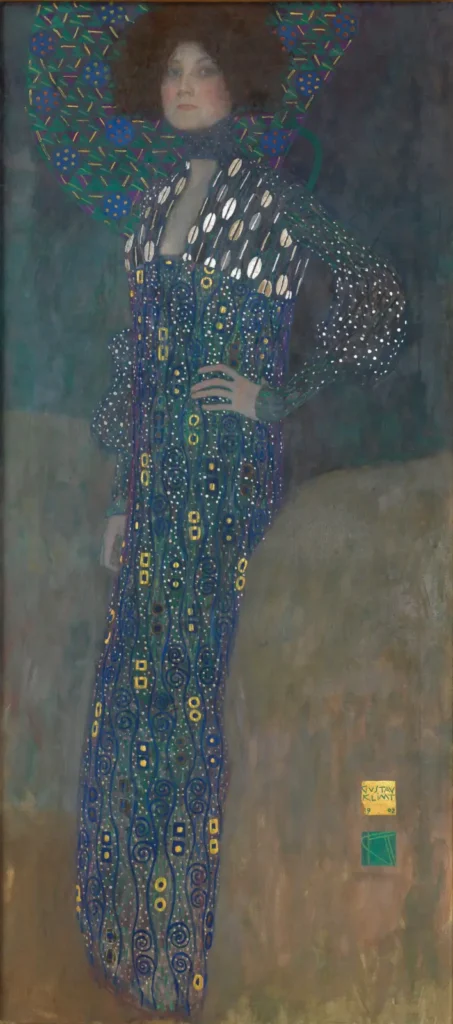 Models and muses