Portrait of Amalie Zuckerkandl by Gustav Klimt (Unfinished)
Gustav Klimt’s unfinished Portrait of Amalie Zuckerkandl (1917–18), left on his easel at his death. How it shows his working method, and where to see it at the Belvedere.
The paintings of Gustav Klimt, from the early allegories to the Golden Phase and the late portraits.
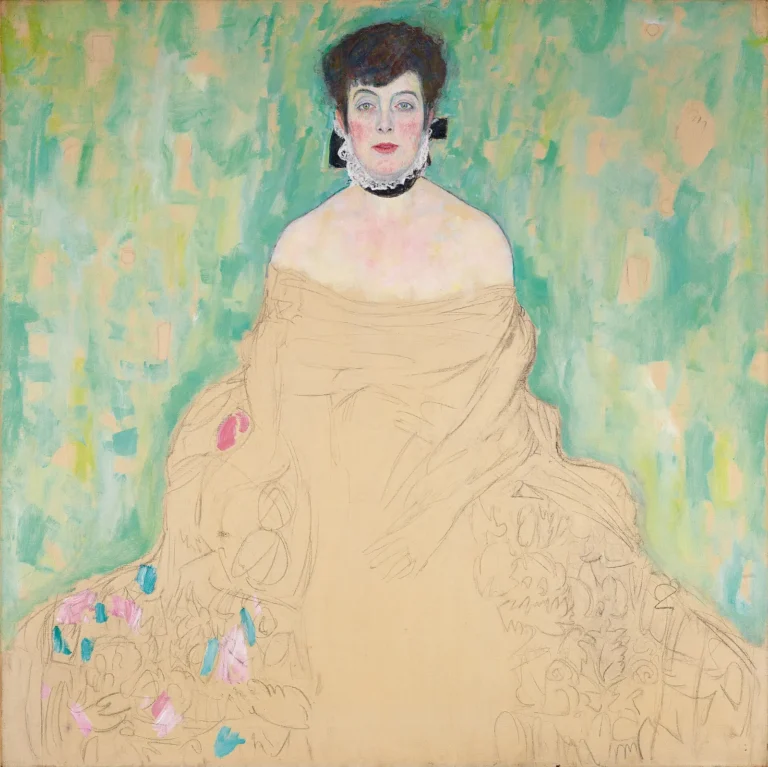
Gustav Klimt’s unfinished Portrait of Amalie Zuckerkandl (1917–18), left on his easel at his death. How it shows his working method, and where to see it at the Belvedere.
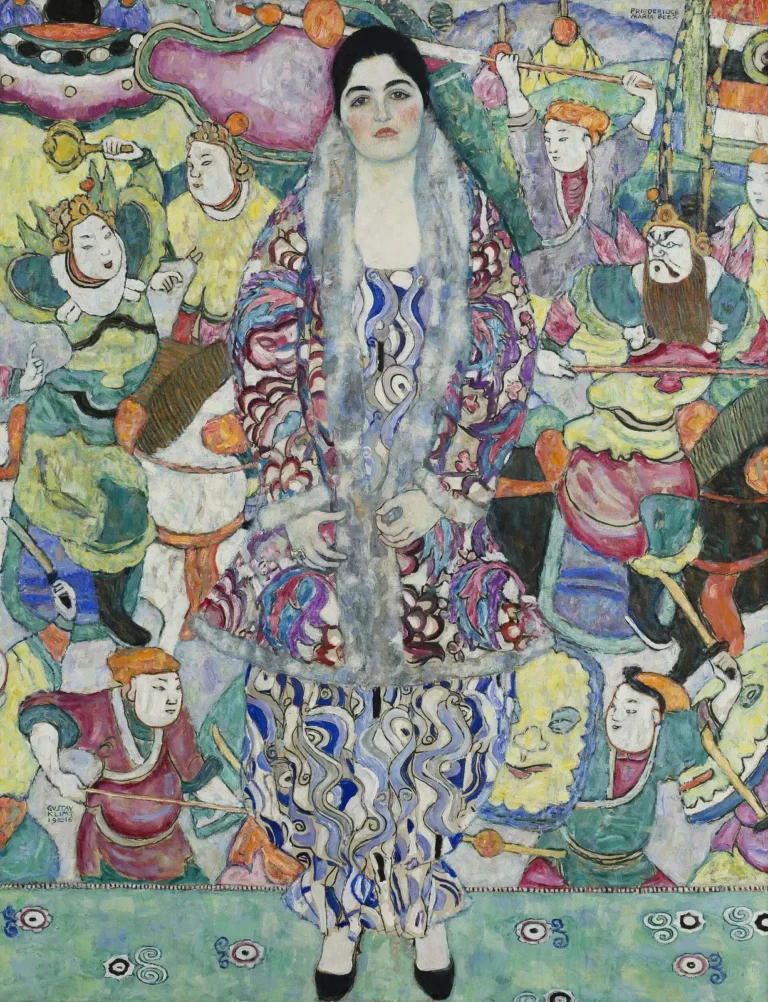
Gustav Klimt’s 1916 portrait of Friederike Maria Beer in a Wiener Werkstätte dress against a background of East Asian warriors. Now in the Tel Aviv Museum of Art.
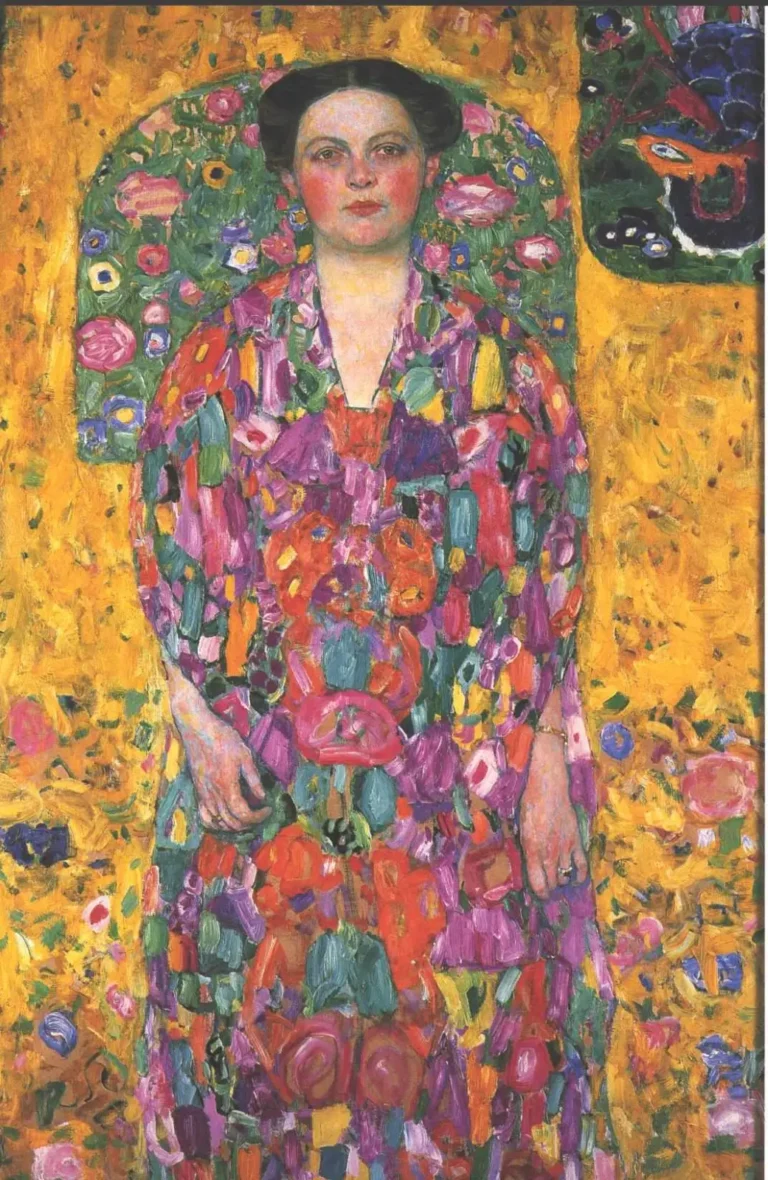
Gustav Klimt’s portrait of Eugenia Primavesi (c. 1913–14), wife of the banker Otto Primavesi, in a blaze of colour. Now in the Toyota Municipal Museum of Art, Japan.
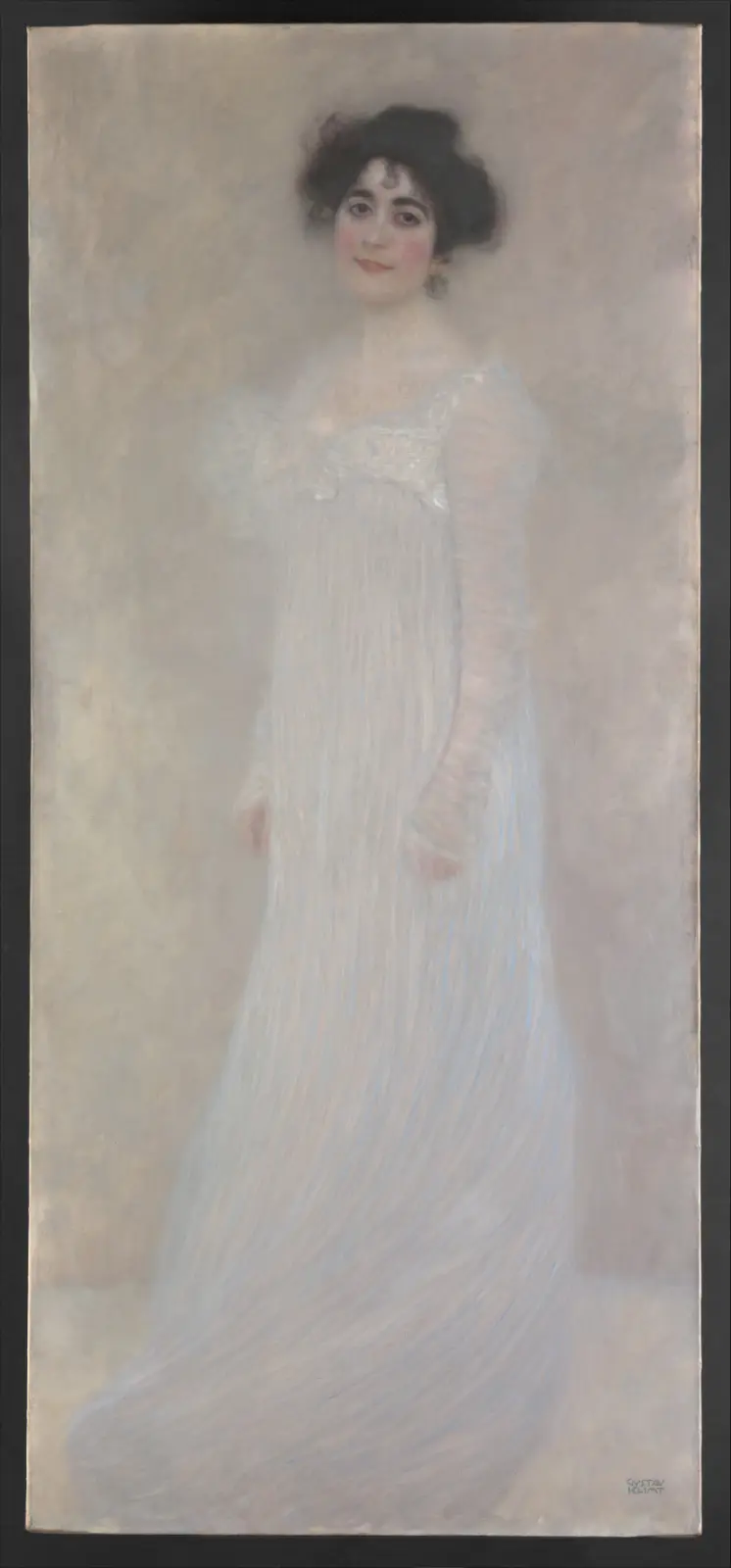
Gustav Klimt’s 1899 portrait of Serena Pulitzer Lederer, his greatest patron, at the Metropolitan Museum of Art in New York. Who she was and why the portrait matters.
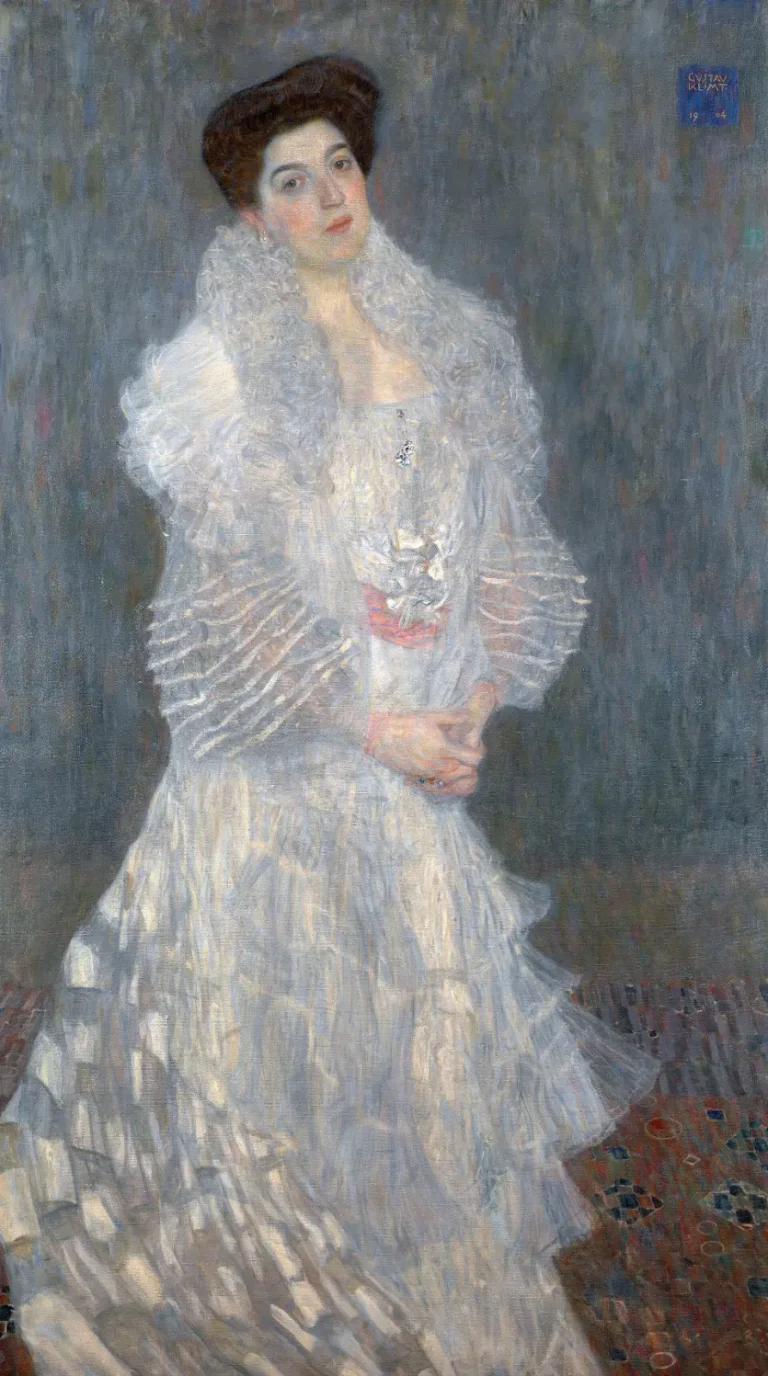
Gustav Klimt’s Portrait of Hermine Gallia (1904), the only Klimt painting on public display in the UK, at the National Gallery in London. The sitter, the dress and the story.
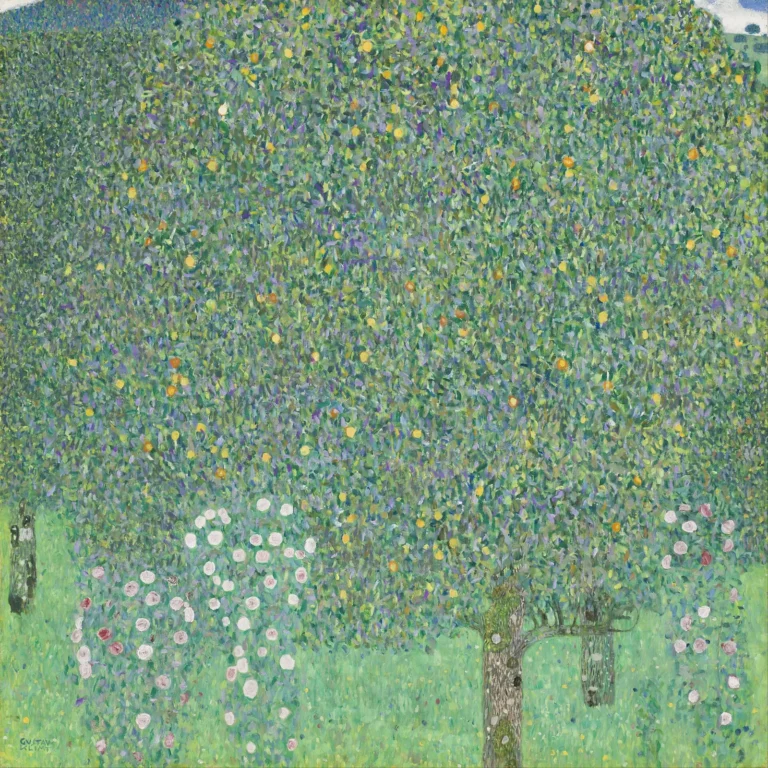
Klimt’s Rosebushes under the Trees (c. 1905): the only Klimt France ever owned, returned by the Musée d’Orsay to the heirs of Nora Stiasny in 2022.
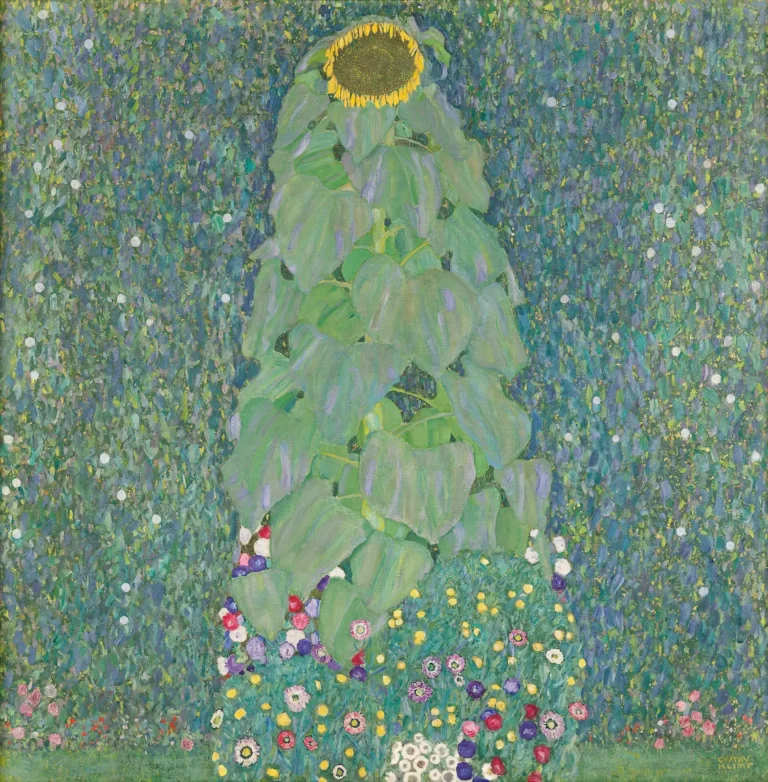
Gustav Klimt’s The Sunflower (1907): a single sunflower that looks almost like a figure in a jewelled dress. Its link to The Kiss, and where to see it at the Belvedere.
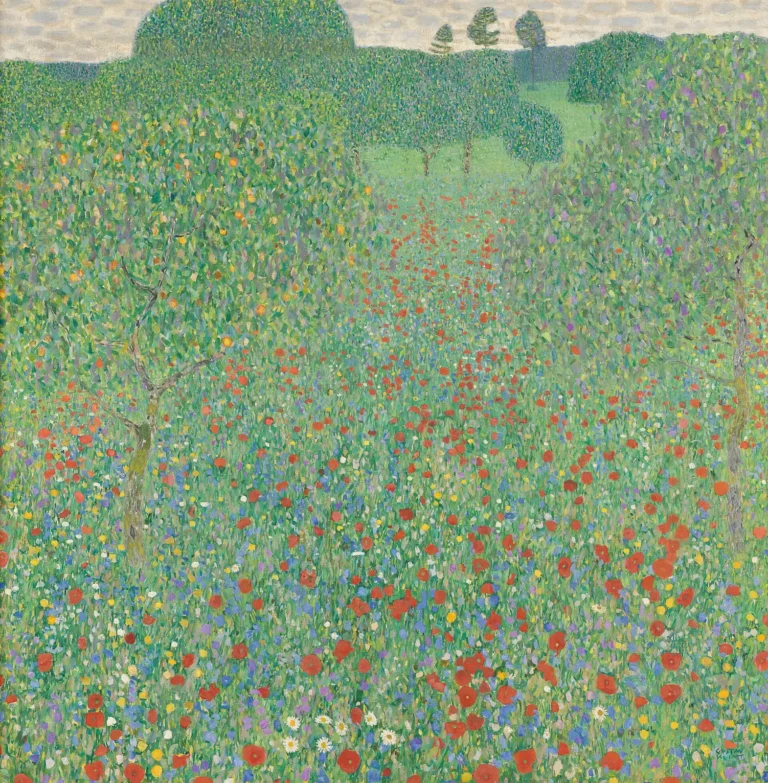
Gustav Klimt’s Poppy Field (1907): a square canvas of red poppies and summer flowers painted at the Attersee. Meaning, technique and where to see it at the Belvedere, Vienna.
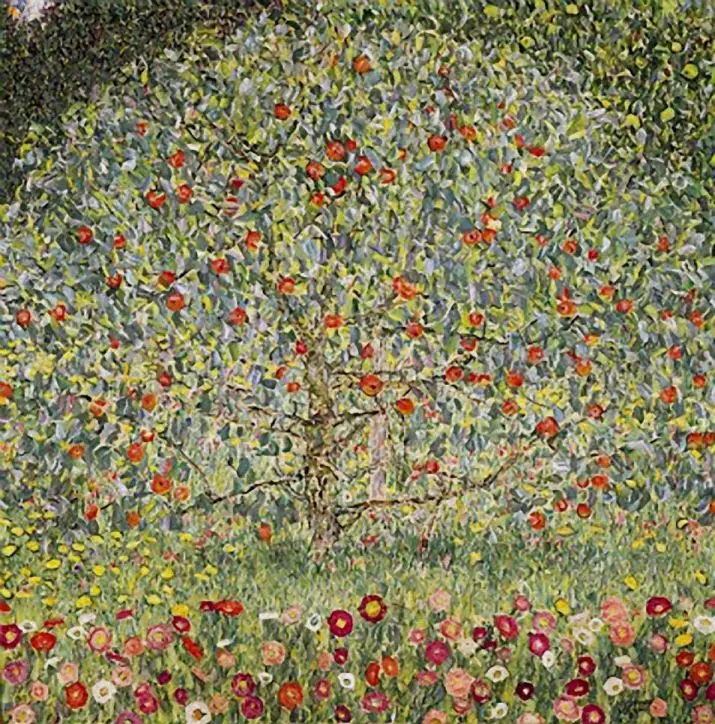
Gustav Klimt’s Apple Tree I (c. 1912): a tree laden with fruit in a field of flowers, one of the five Bloch-Bauer paintings returned to Maria Altmann in 2006.
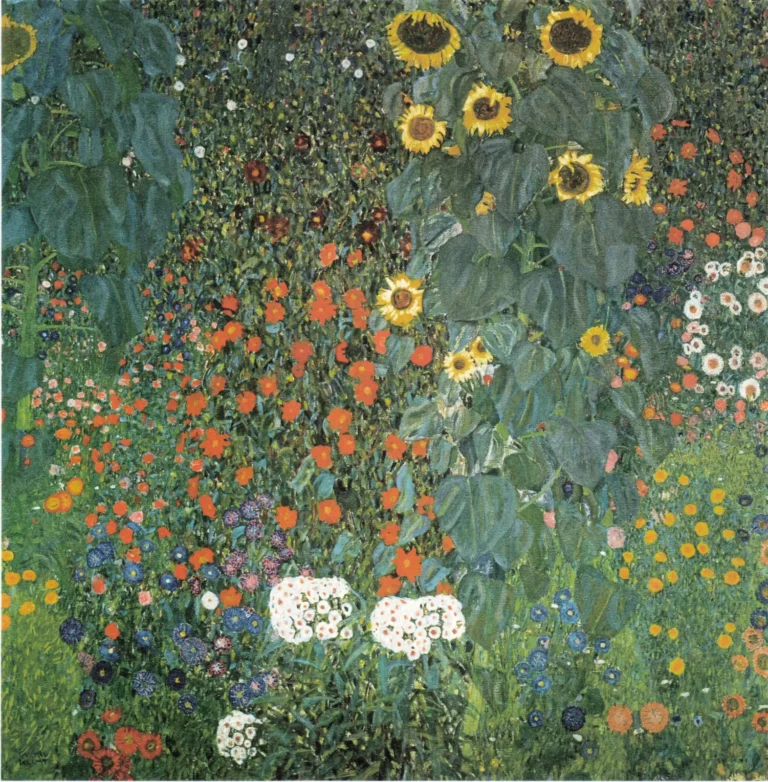
Gustav Klimt’s Farm Garden with Sunflowers (c. 1907): a square canvas packed with summer flowers, painted at the Attersee. Where to see it at the Belvedere.